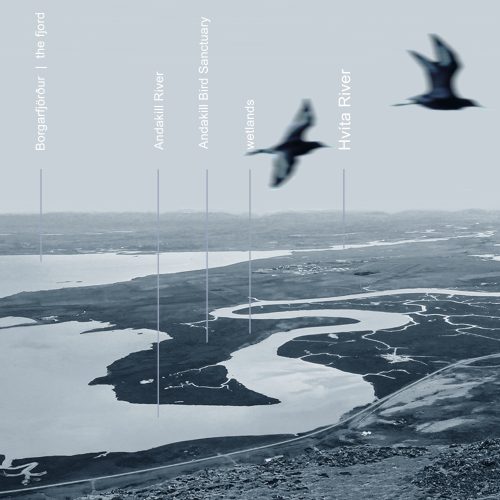
River-Delta Landscape Strategies in the Andakíll Bird Sanctuary
Iceland
How can we cultivate sensitivity toward the fragile landscapes and unique biodiversity of Iceland?
We Are Birds introduces an immersive pedagogical approach based on tracing avian life. Participants embody a specific bird species, exploring migratory routes, behaviors, and ecological challenges. Through collective mapping and design proposals, the exercise develops environmental awareness and generates strategies that reinforce the relationship between river landscapes, biodiversity, and human engagement.




Tracing Icelandic Waterscapes
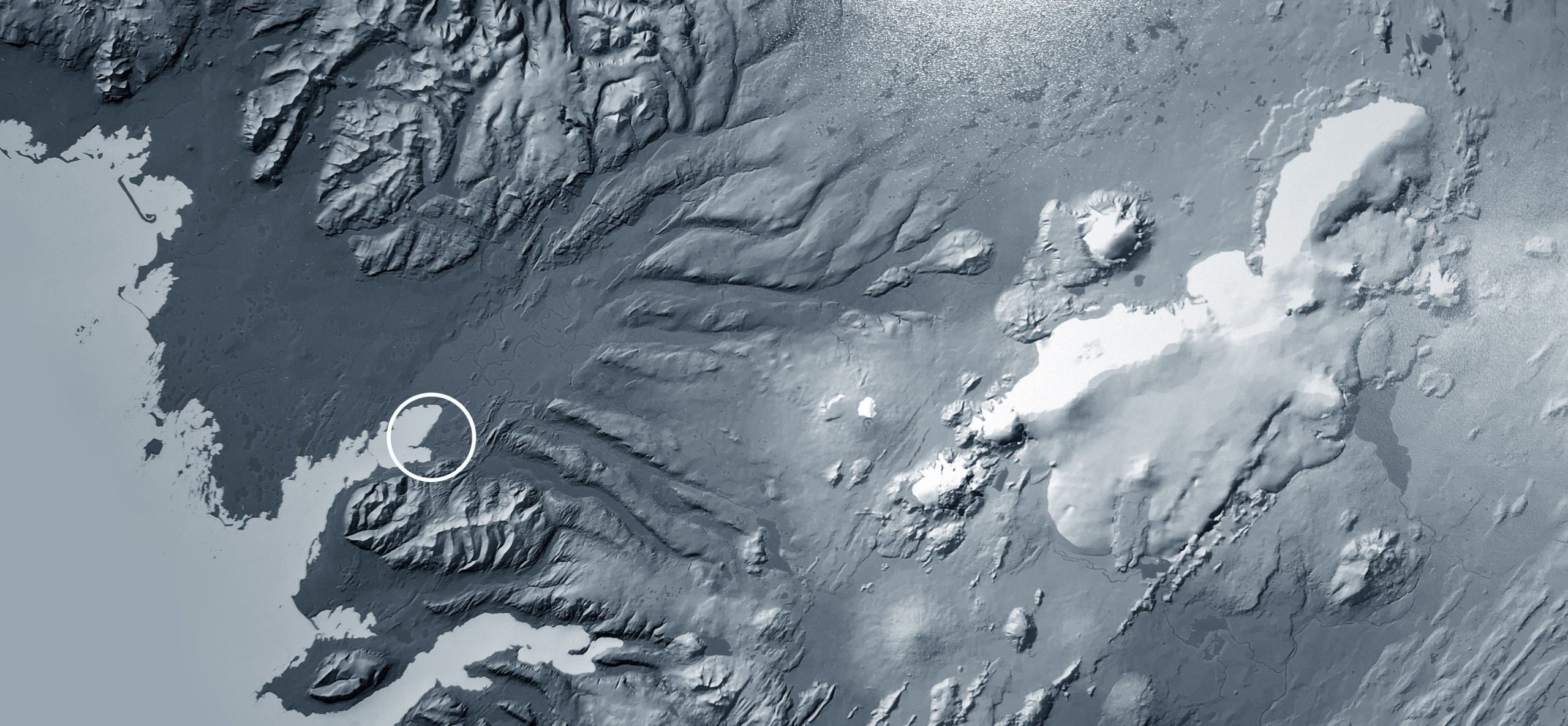
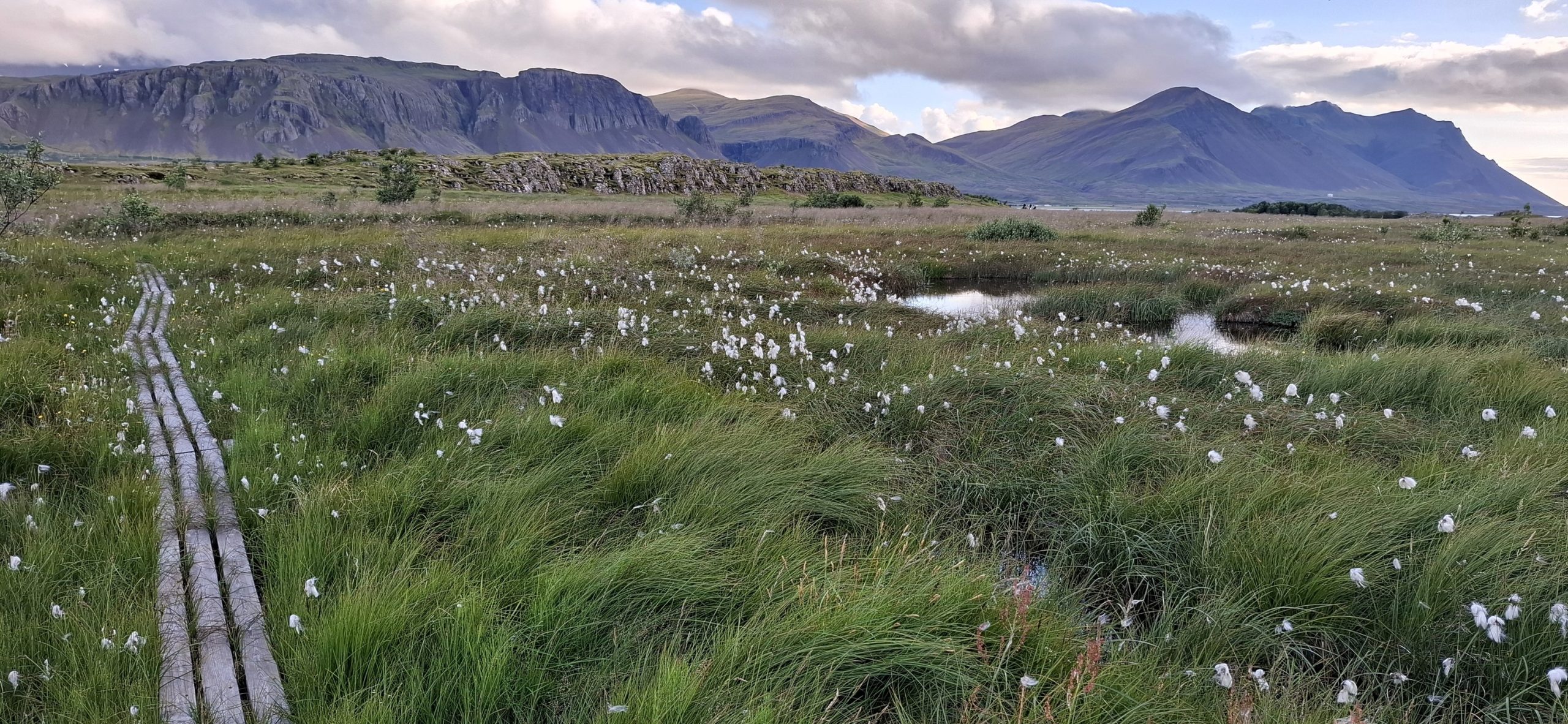
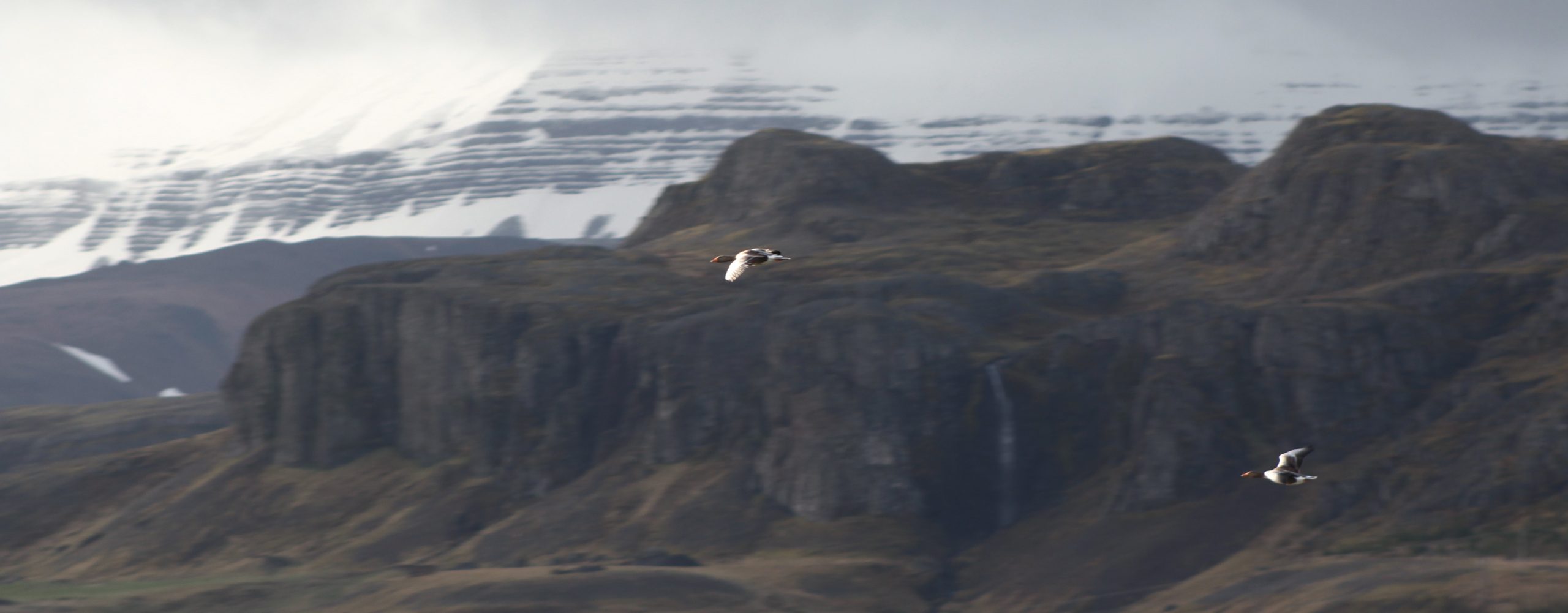
Iceland’s landscape, shaped by its geographic location and intense geological activity, forms a unique environment where glaciers, lava fields, and wetlands coexist in continuous transformation. These fragile ecosystems operate as a living laboratory, where the interaction between water, land, and atmosphere produces dynamic and evolving landscapes. Tracing water provides a way of understanding the territory through its processes, temporalities, and material states.
Hvítá River: From Glacier to Delta
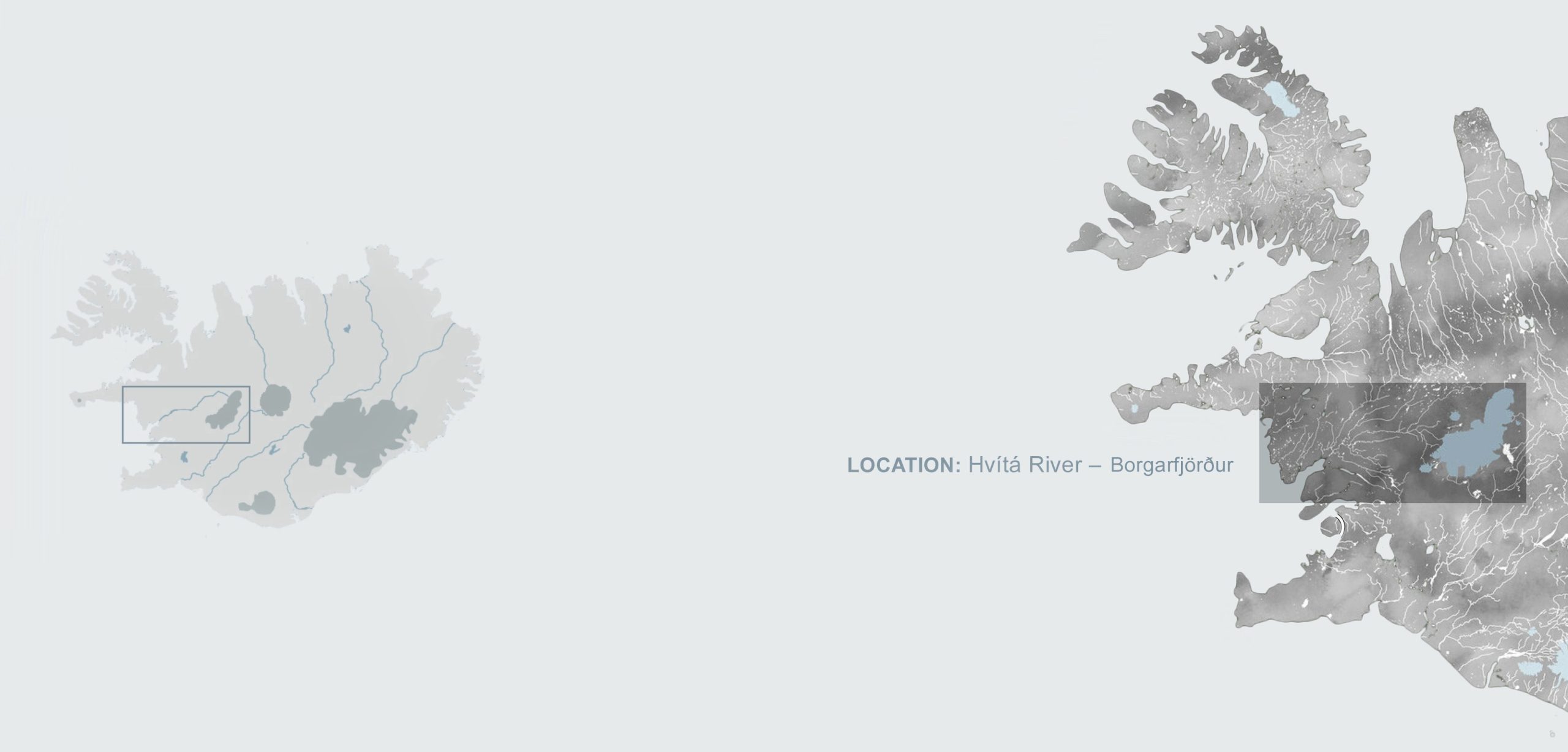
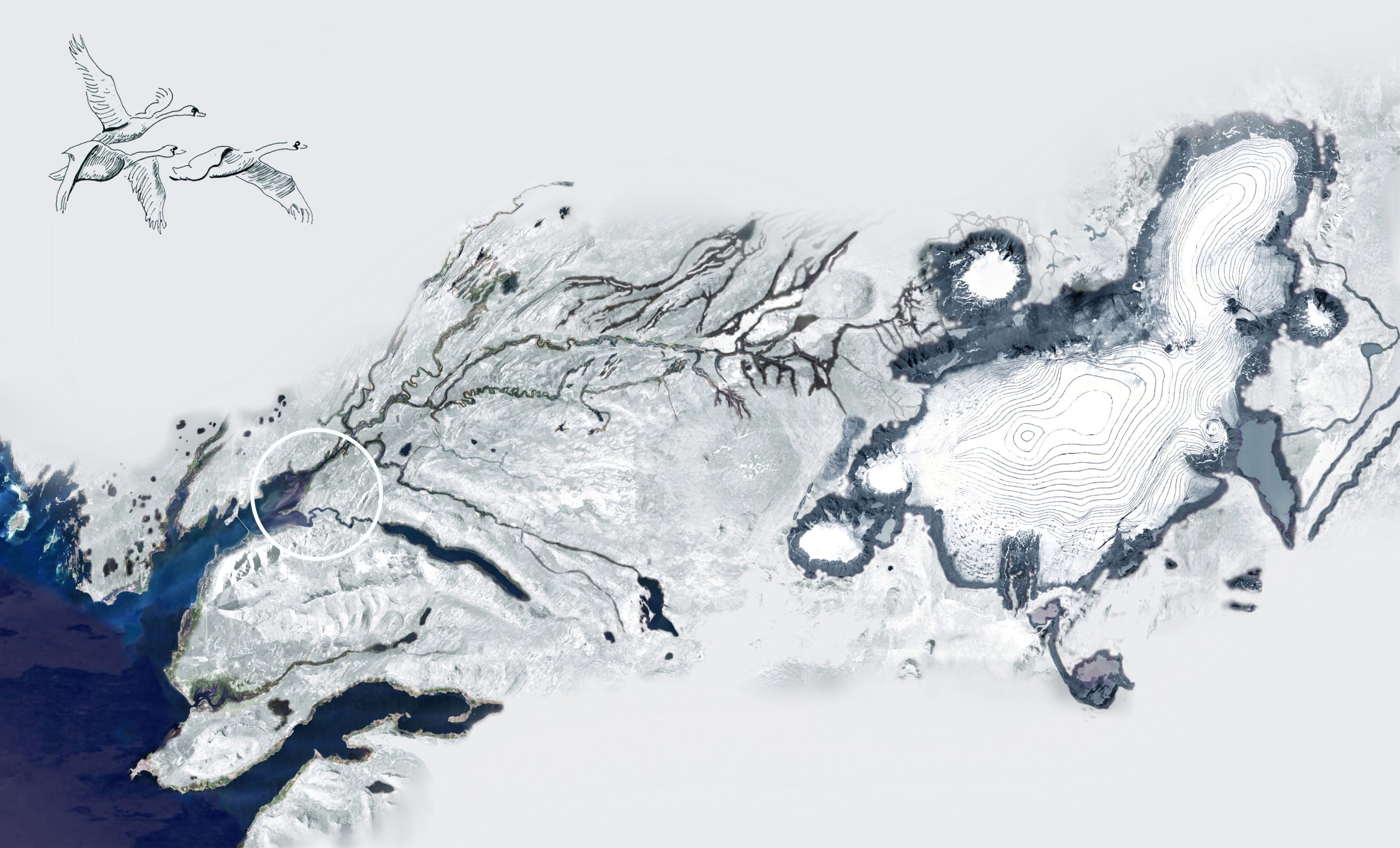
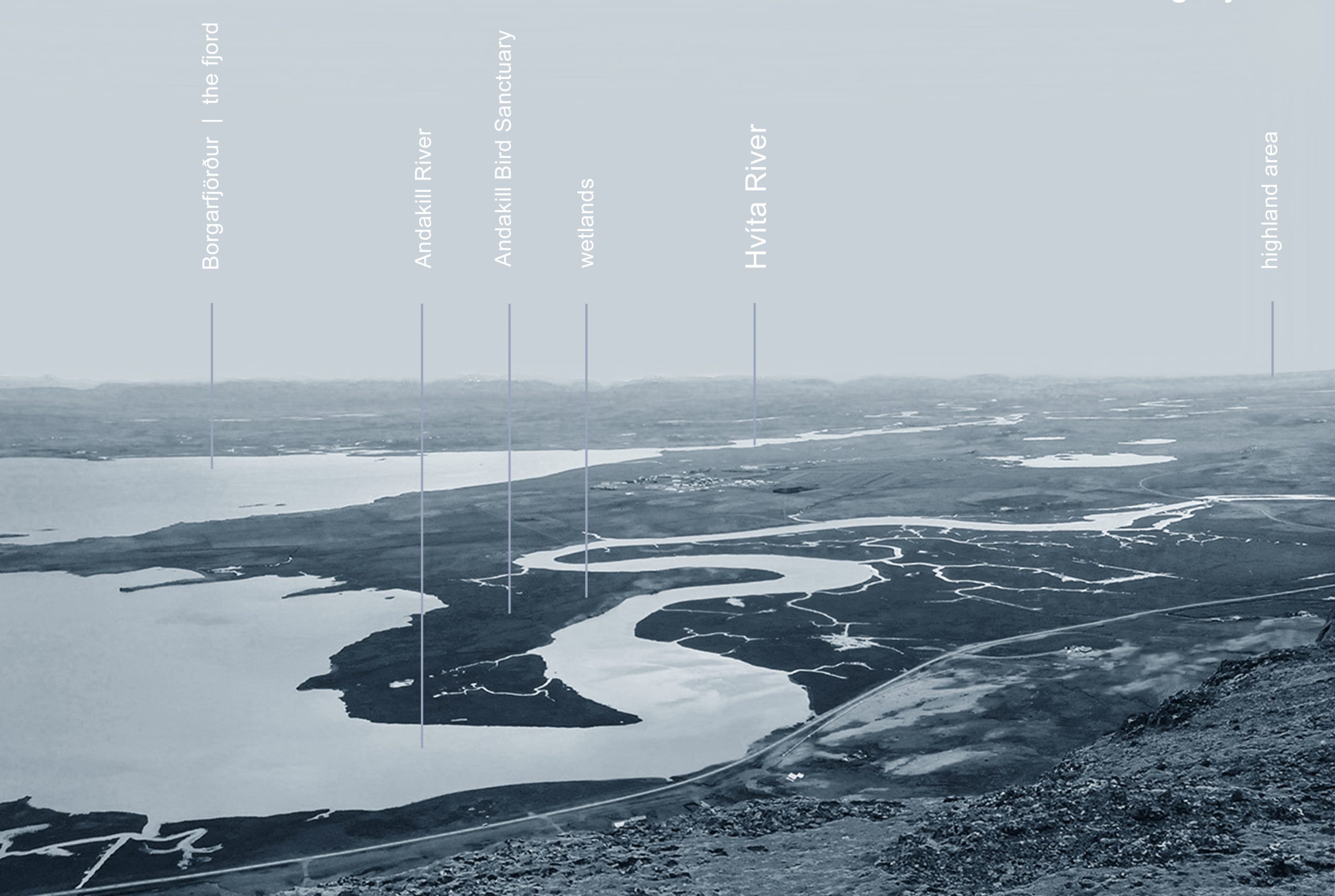
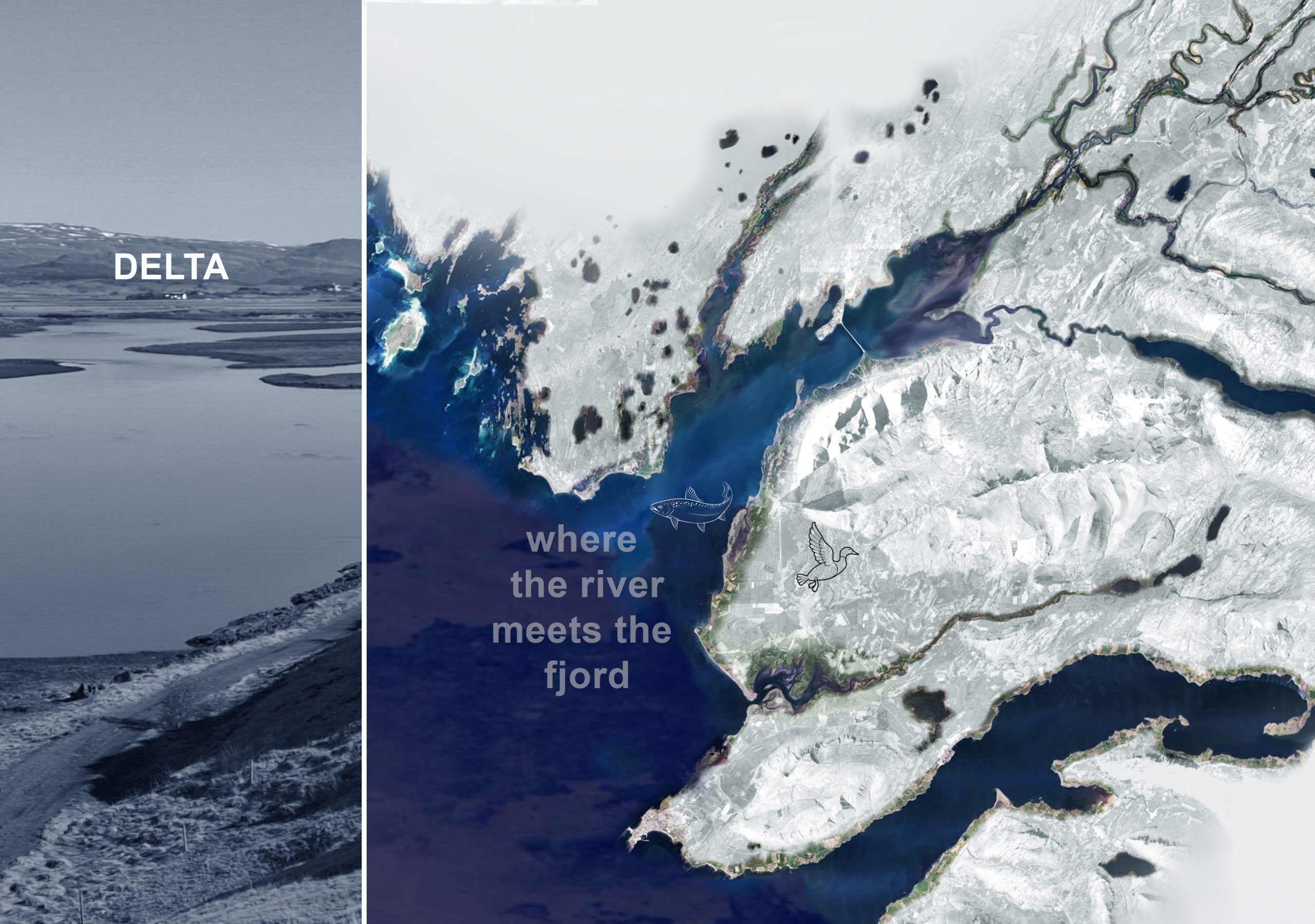
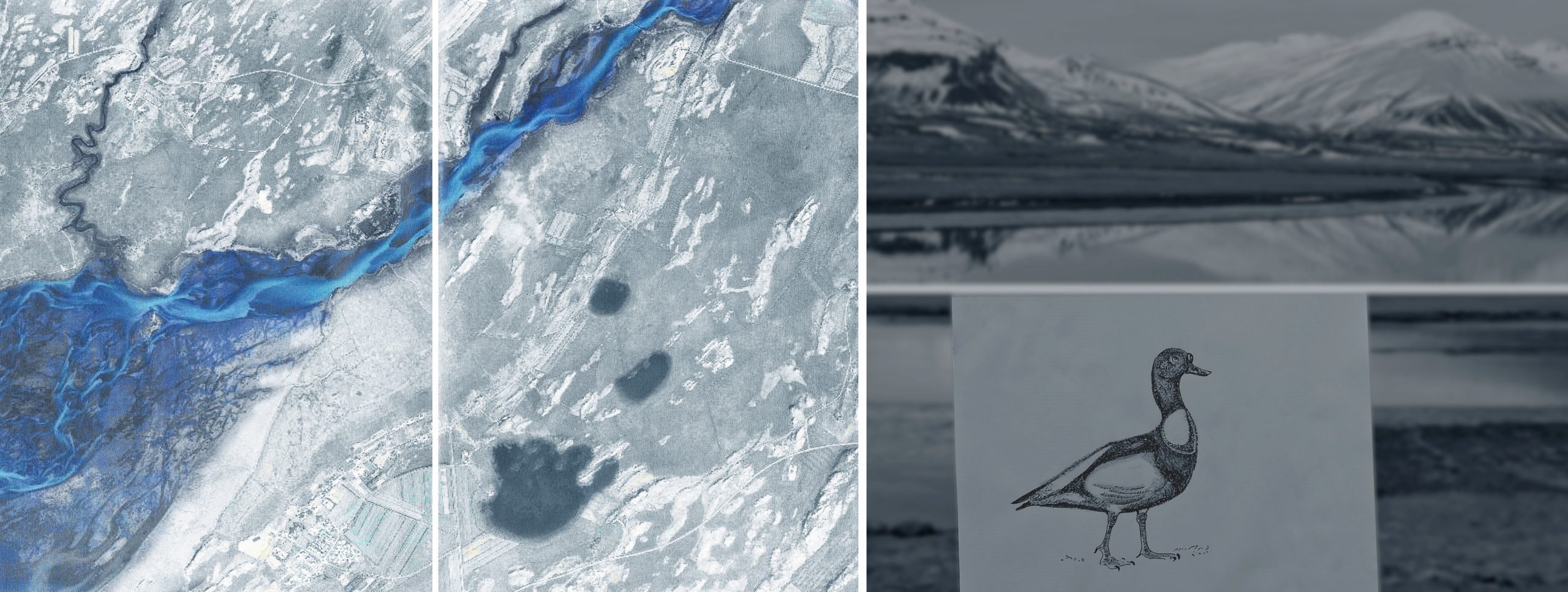
The Hvítá River traces a fundamental watercourse across Iceland. Originating at the Langjökull glacier, where water exists as ice and snow, it gradually melts and flows through volcanic terrains, gorges, waterfalls, and lowland plains. Along its journey, the river connects diverse landscapes and states of water, ultimately reaching its delta at the Borgarfjörður fjord, where freshwater meets the Atlantic Ocean, forming a complex and dynamic ecosystem.
Andakíll Bird Sanctuary: A River Delta Landscape
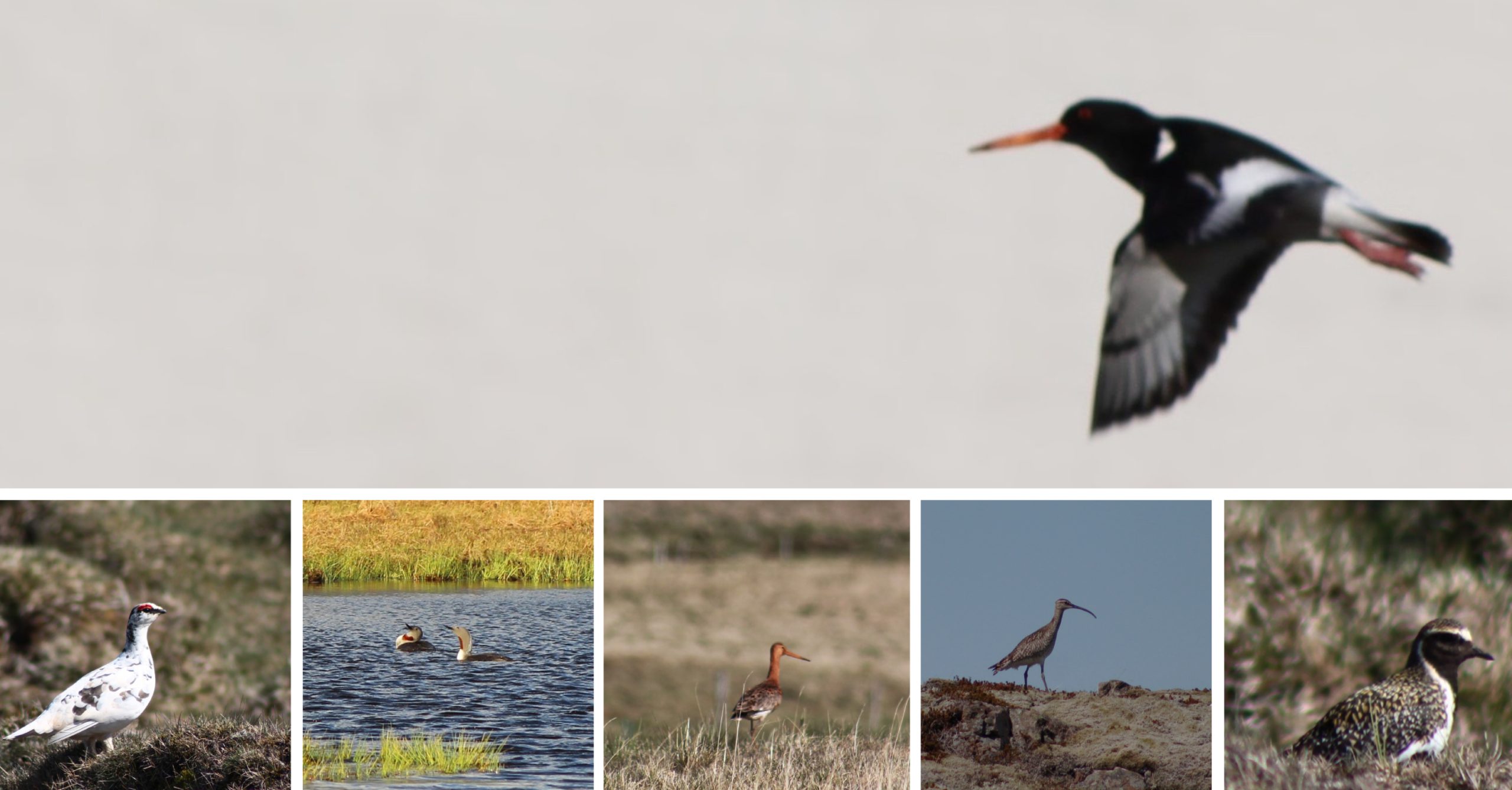
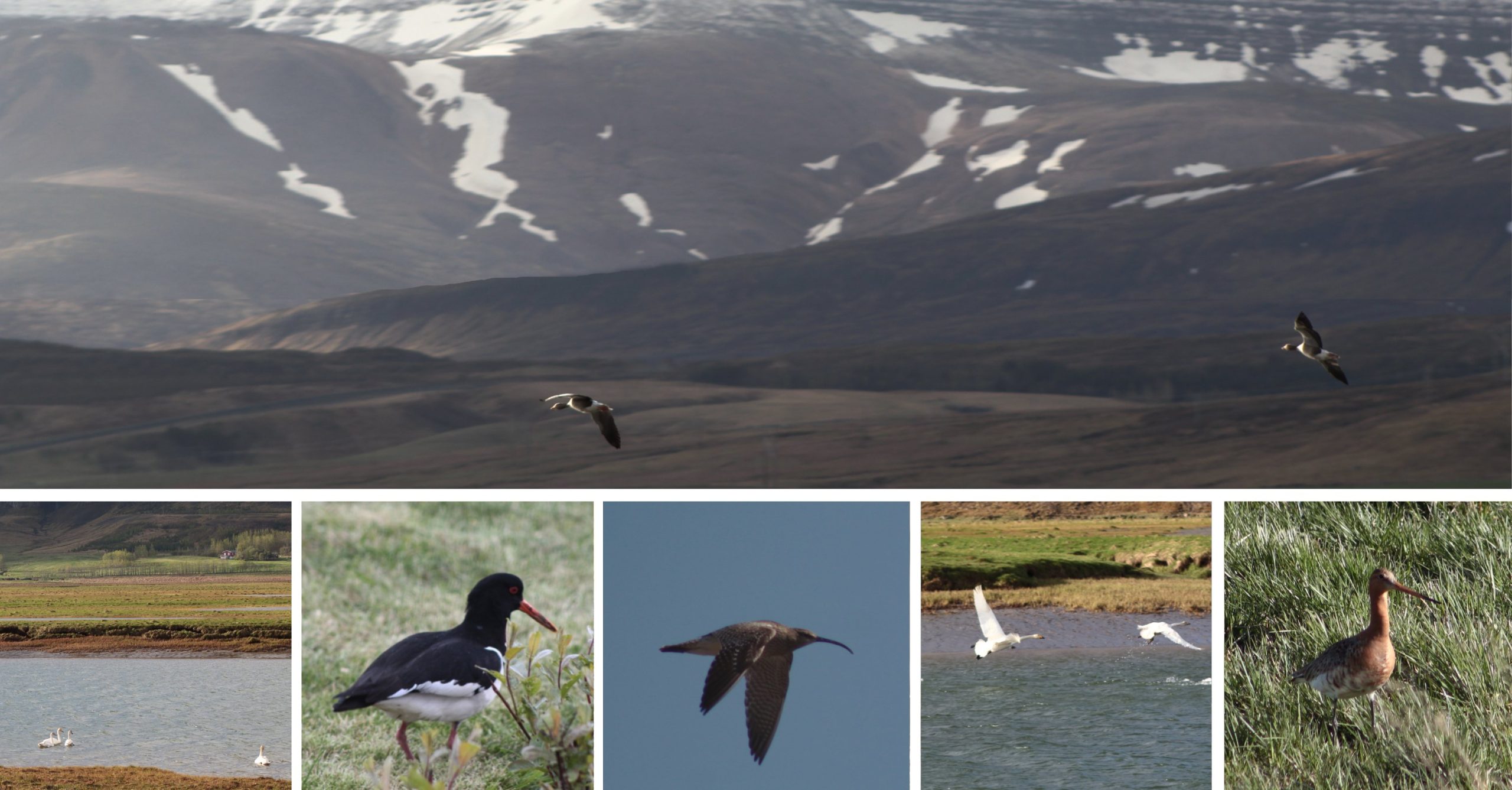
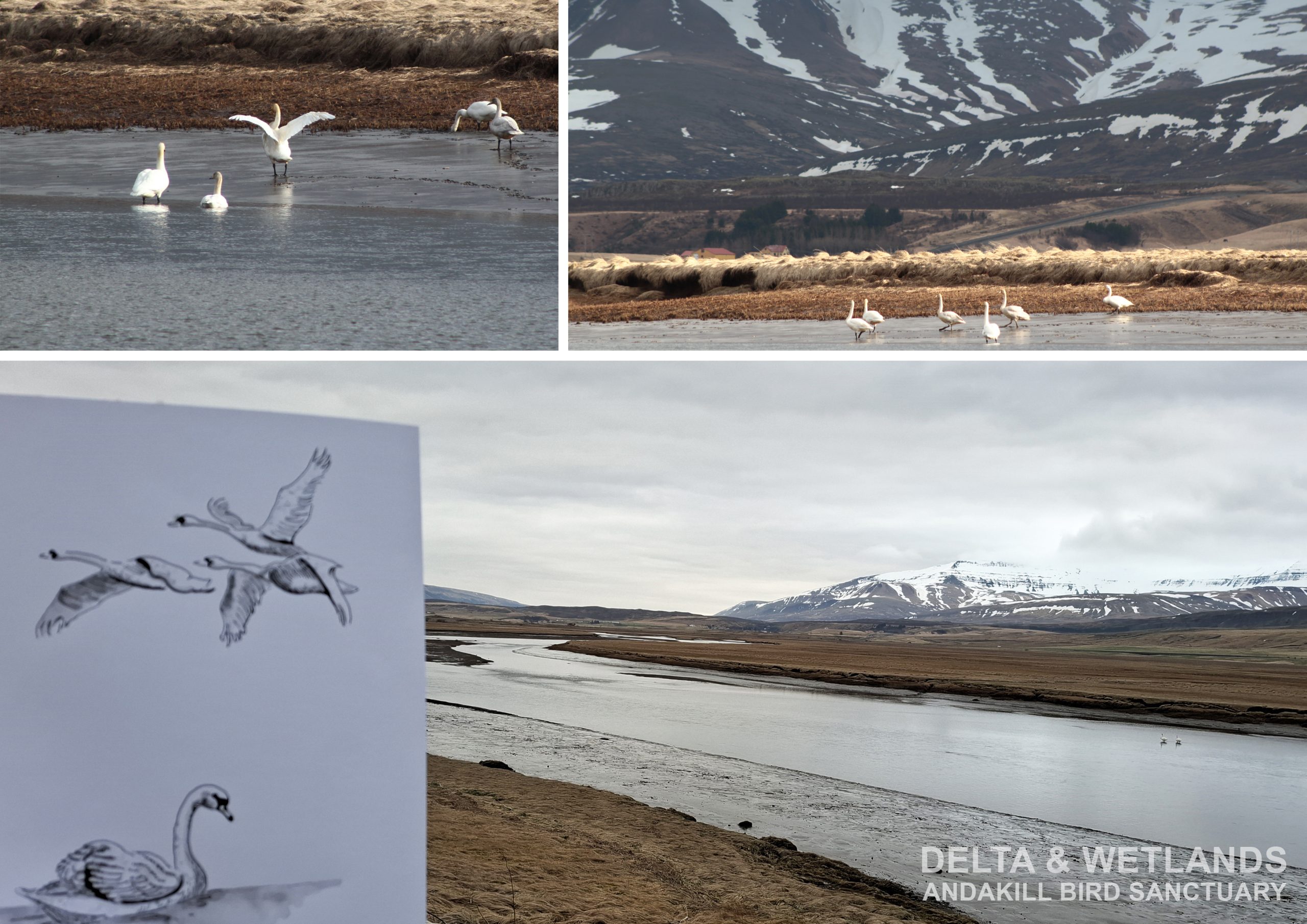
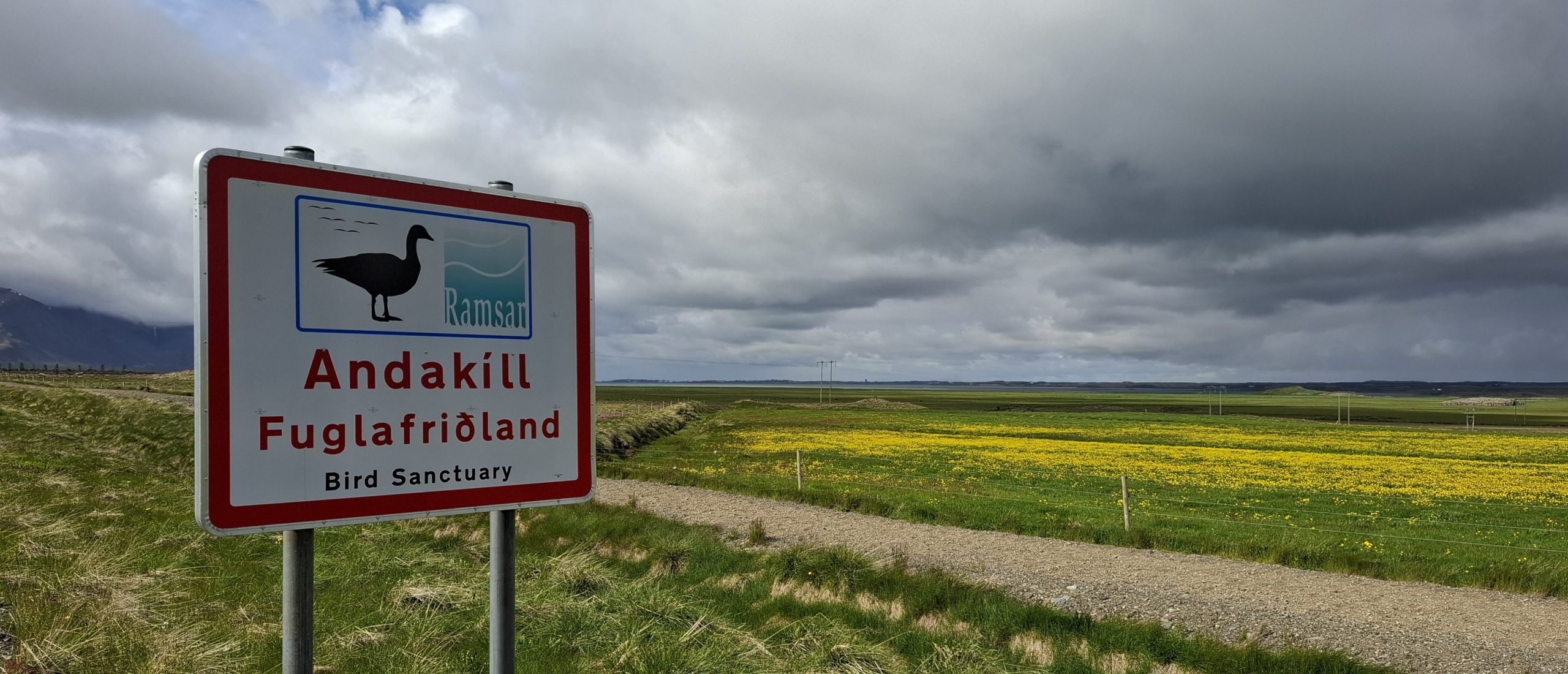
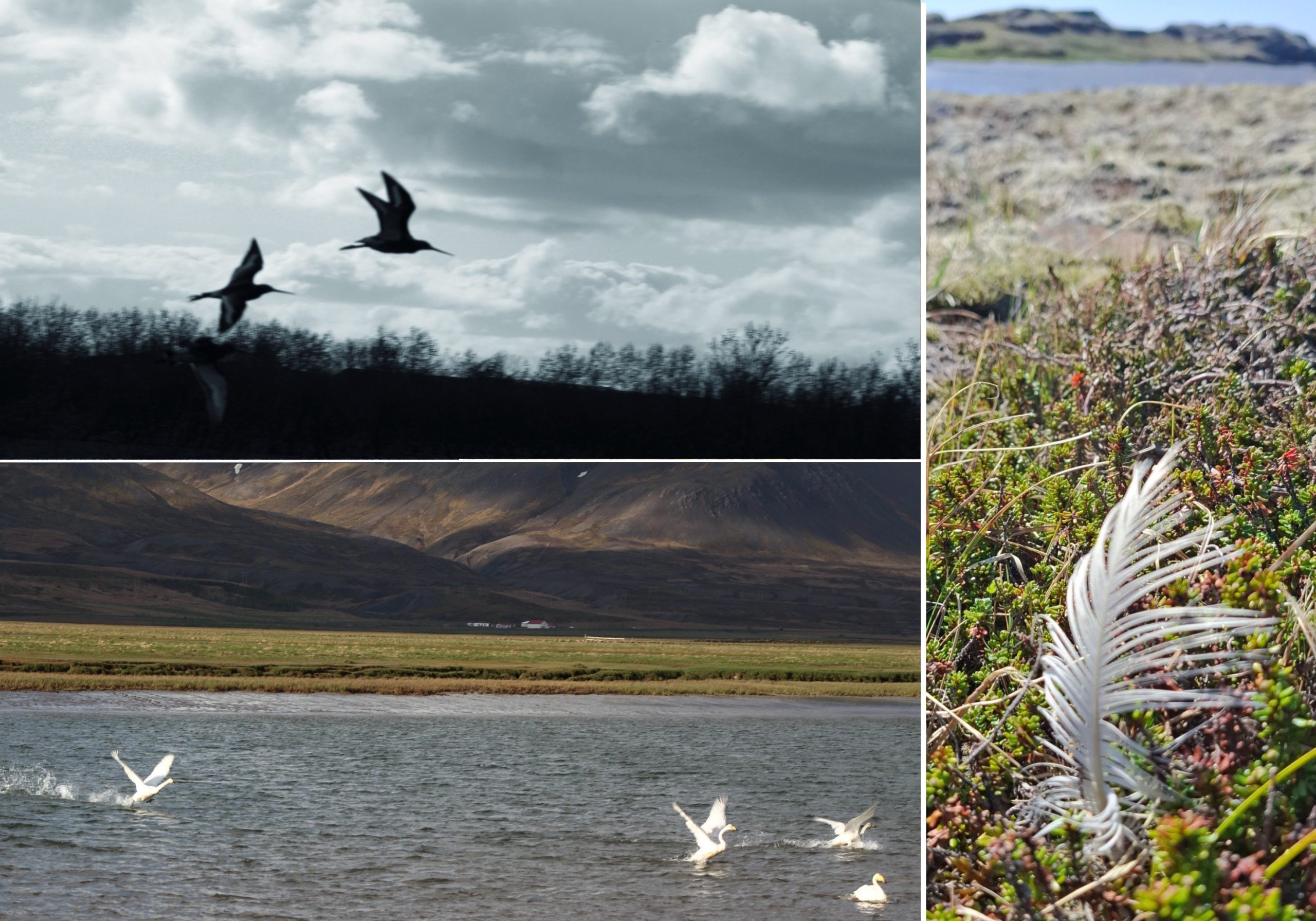
At this delta lies the Andakíll Bird Sanctuary, a protected Ramsar site characterized by wetlands and rich bird biodiversity, including migratory and resident species. This transitional zone between freshwater and saltwater supports diverse ecological processes and reveals the intricate relationships between hydrological systems, habitats, and human activity.
Landscape Strategies for Awareness and Coexistence
Andakíll functions as a site where landscape strategies are developed through educational and design approaches. These strategies foster awareness of the territory through sensory engagement, observation, and research. By understanding the delta as an interconnected system, the project proposes spatial interventions that encourage coexistence between birdlife and human practices.
We Are Birds | Workshop
What can we learn by embodying the way of being of birds, and how can this shape and inspire educational practices for coexistence?
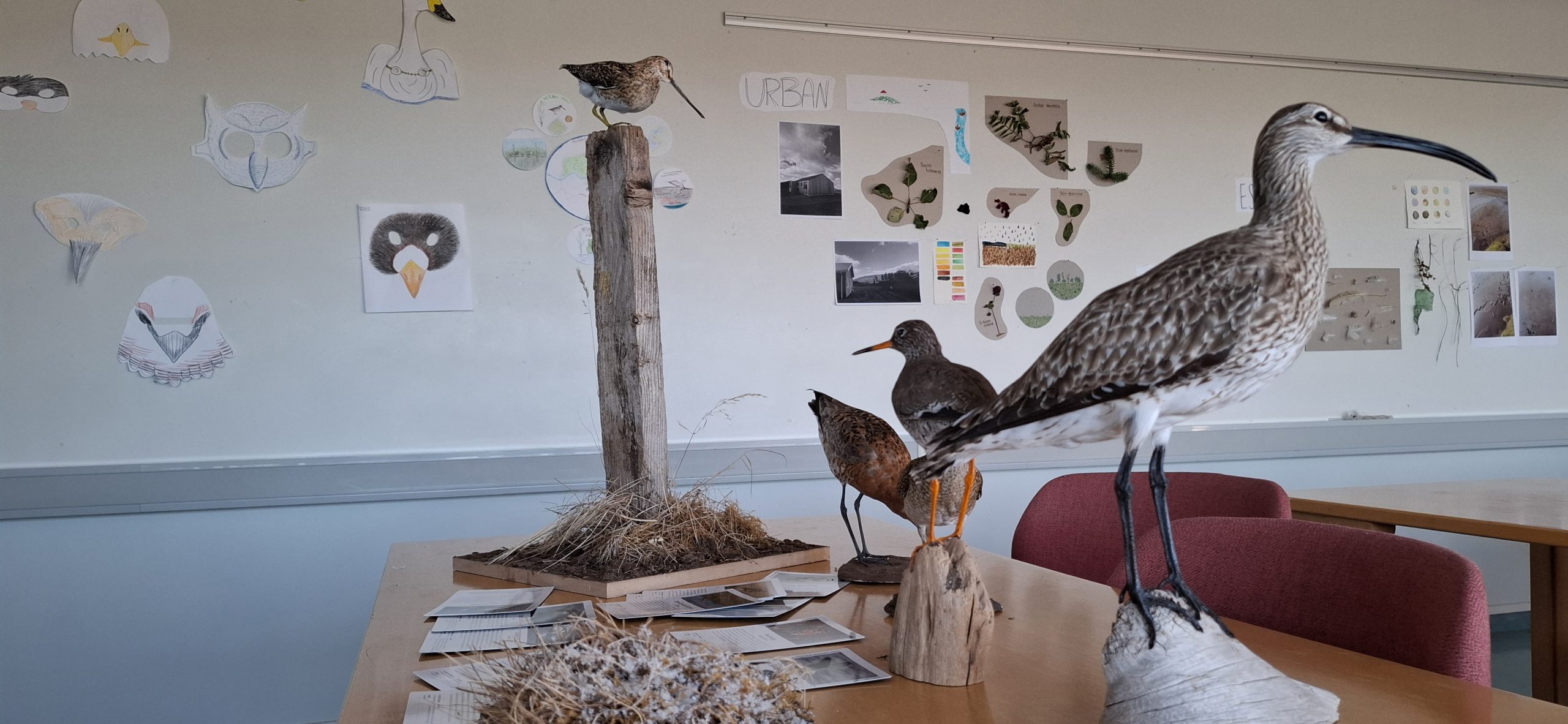
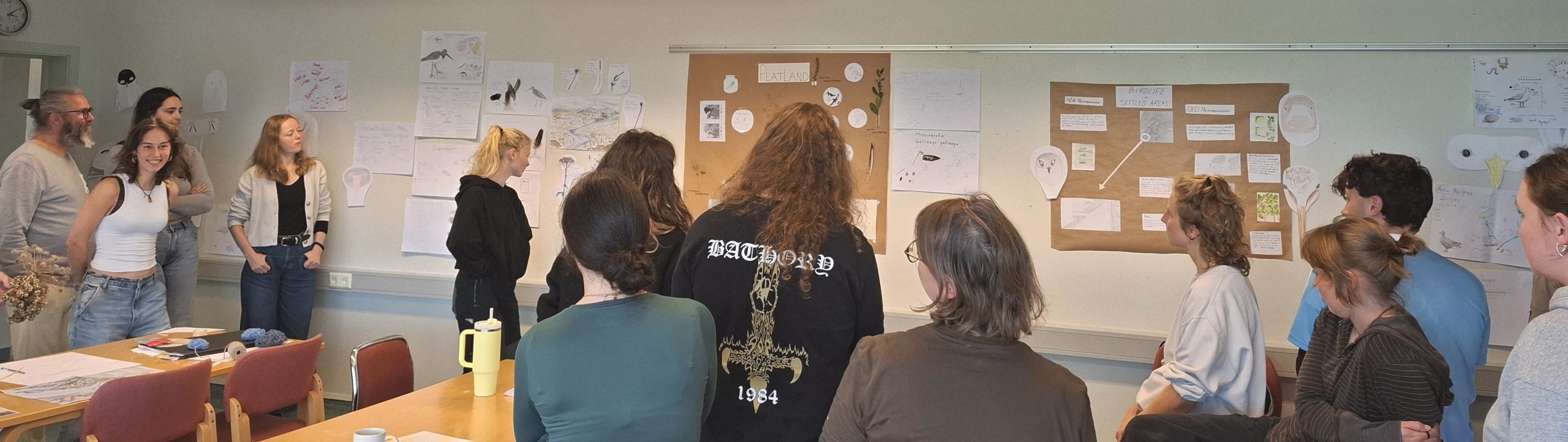
The educational approach We Are Birds, encourages participants to engage with the territory from the perspective of its avian inhabitants. By inhabiting the life of a specific bird species, students develop a direct, experiential understanding of ecological processes and human–nature interactions. This immersive perspective fosters empathy, awareness, and the capacity to envision interventions that support coexistence, opening new pathways for learning, observation, and engagement with the fragile environment. Through this approach, the exercise transforms the act of studying the landscape into an active practice of caring for the place—through reflection and design—revealing the potential of pedagogical experiences to shape sustainable relationships with ecosystems.
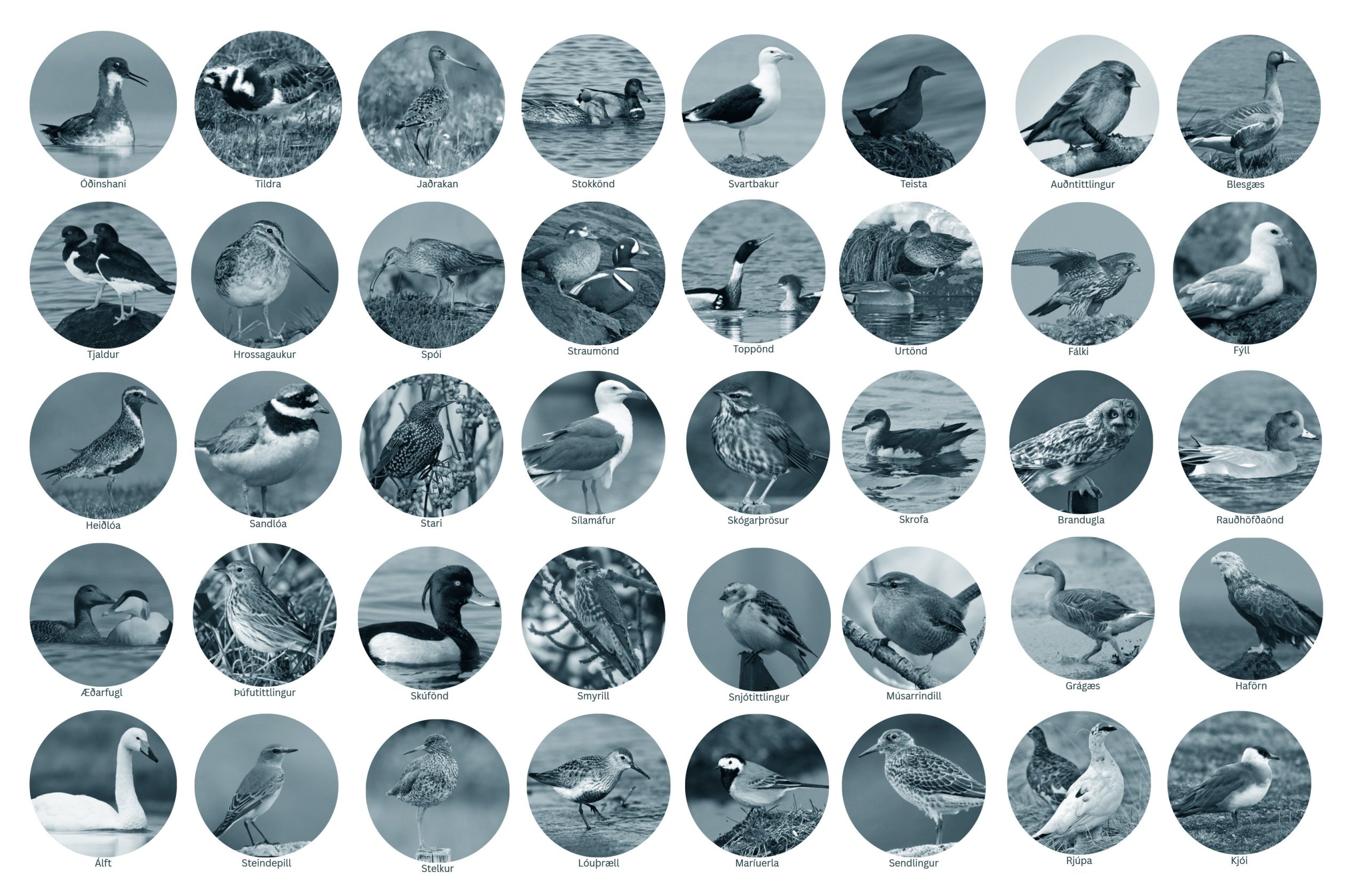
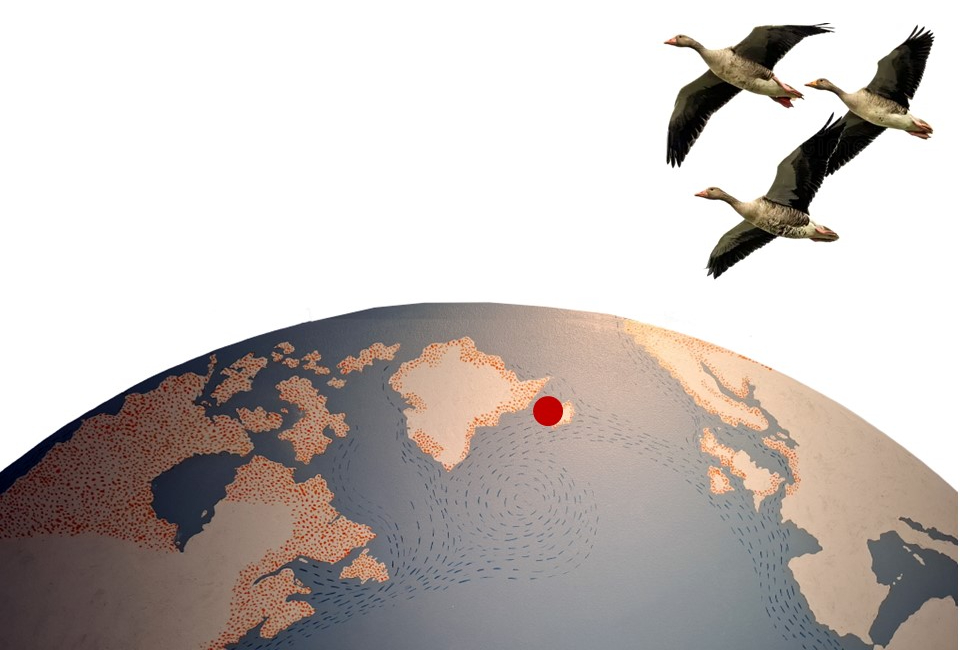
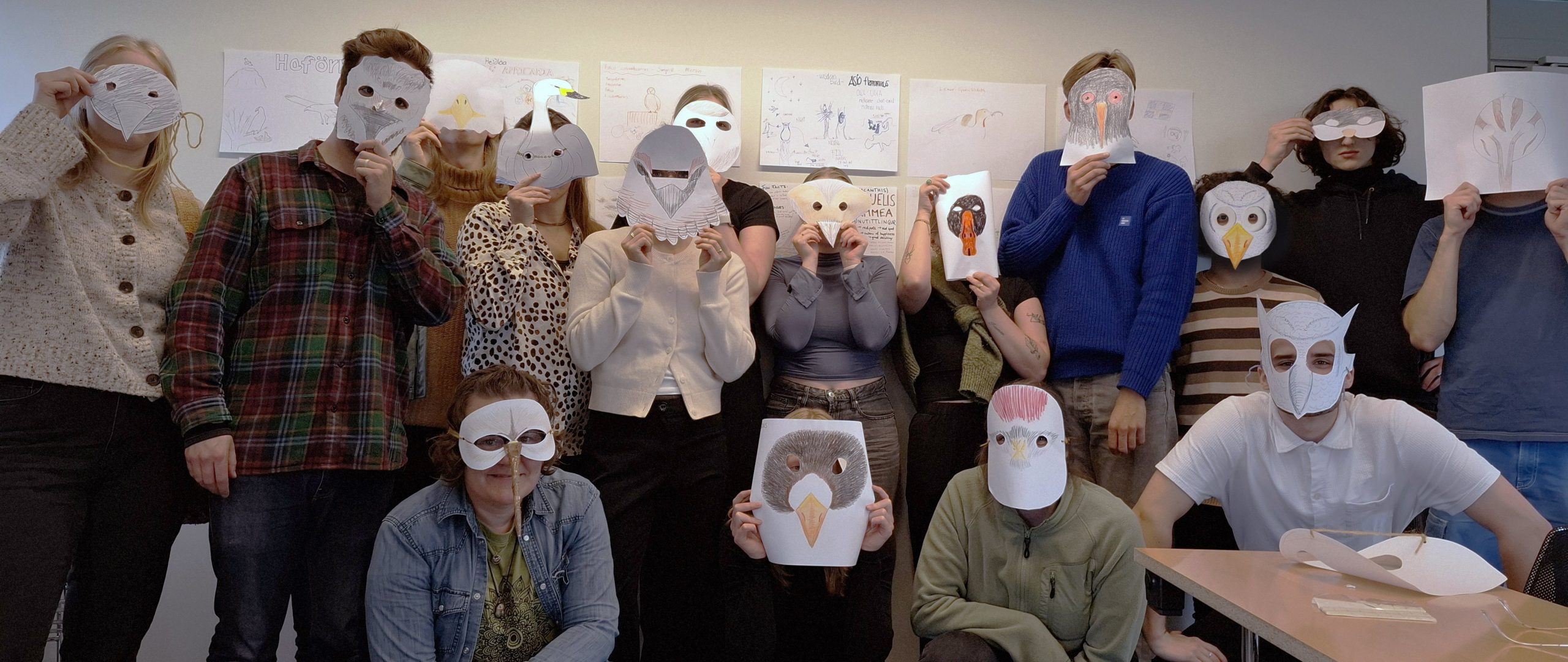
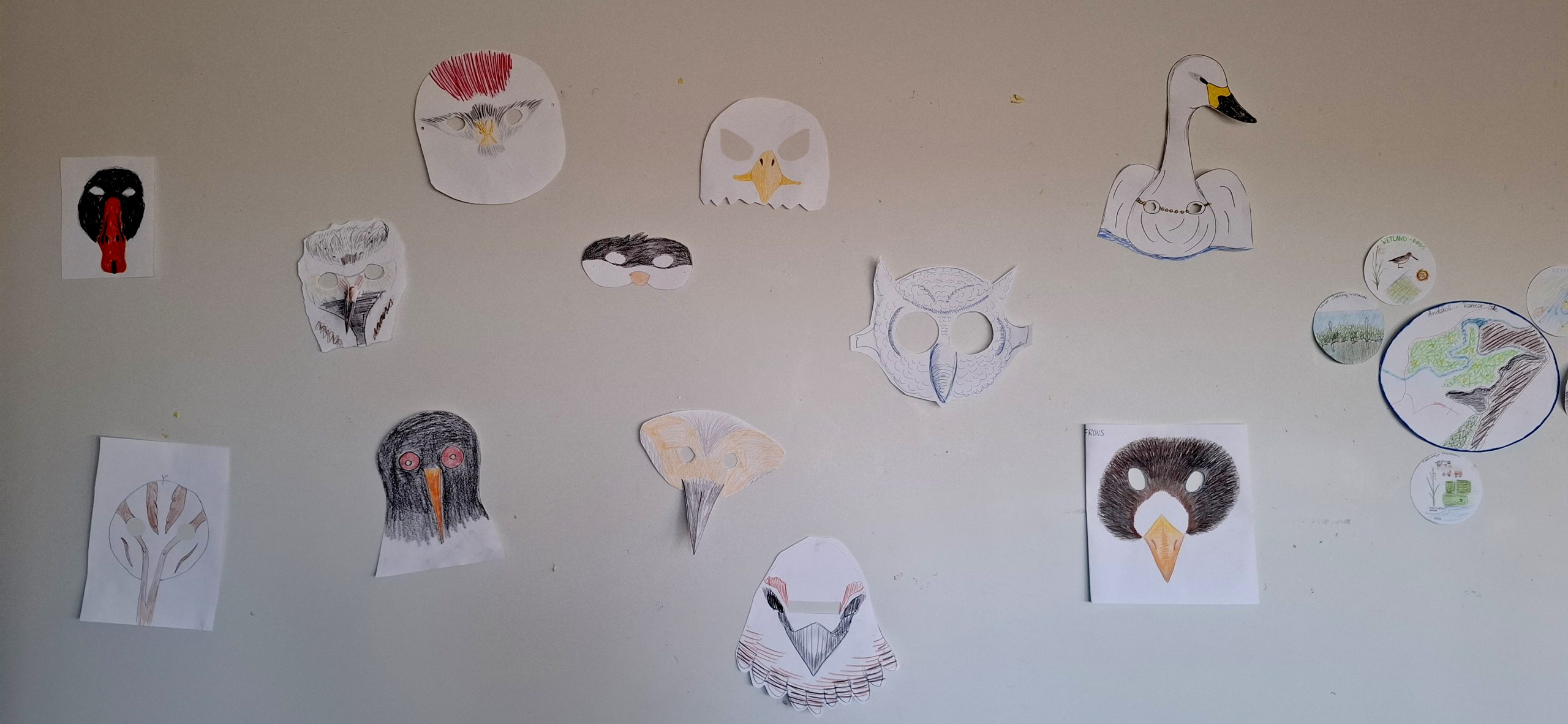
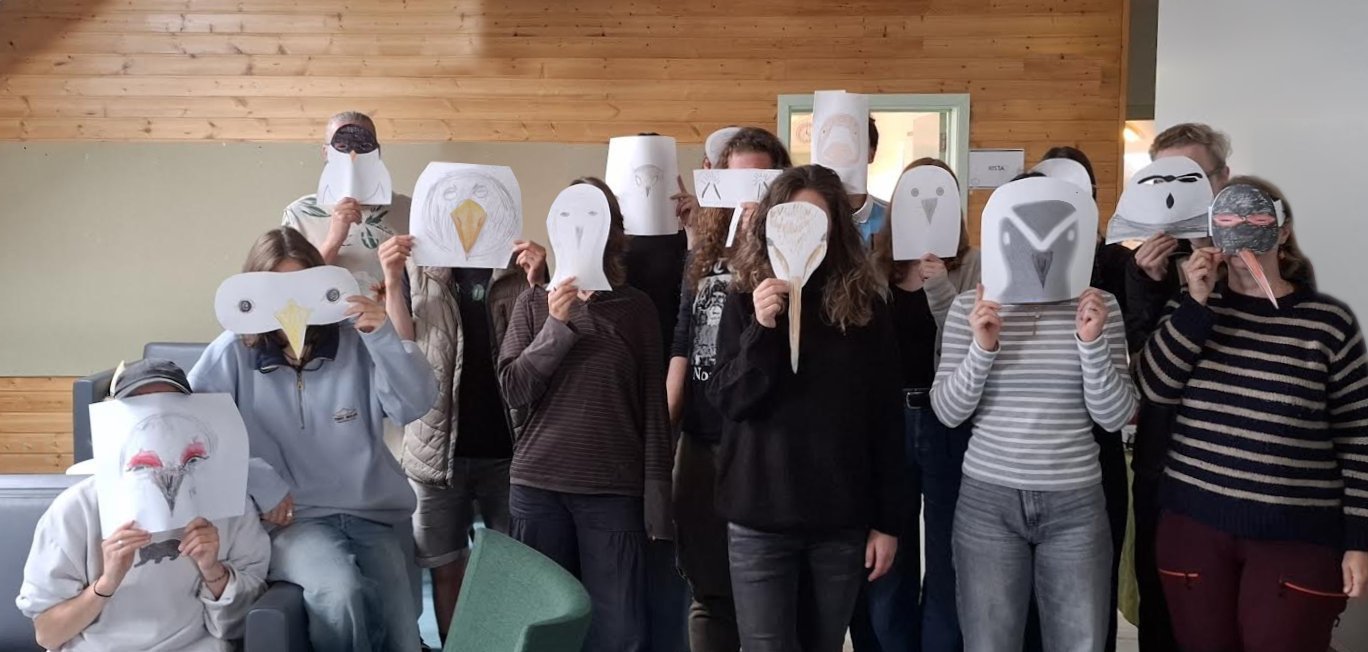
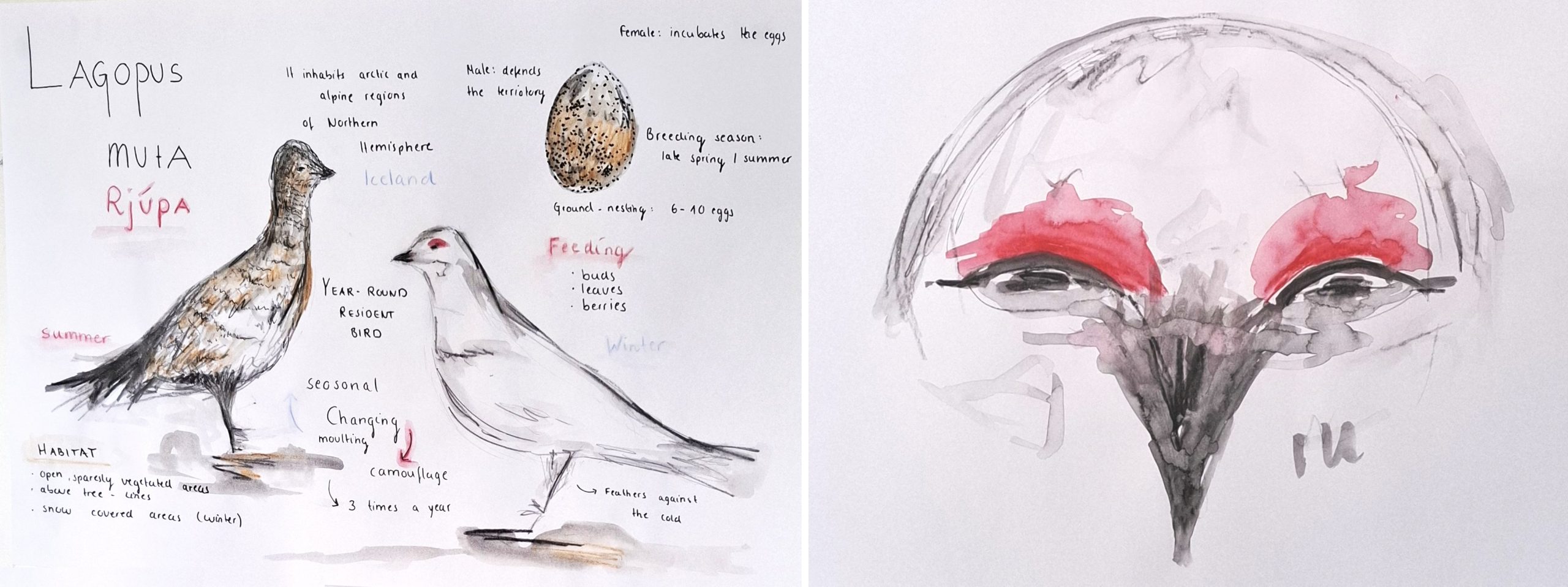
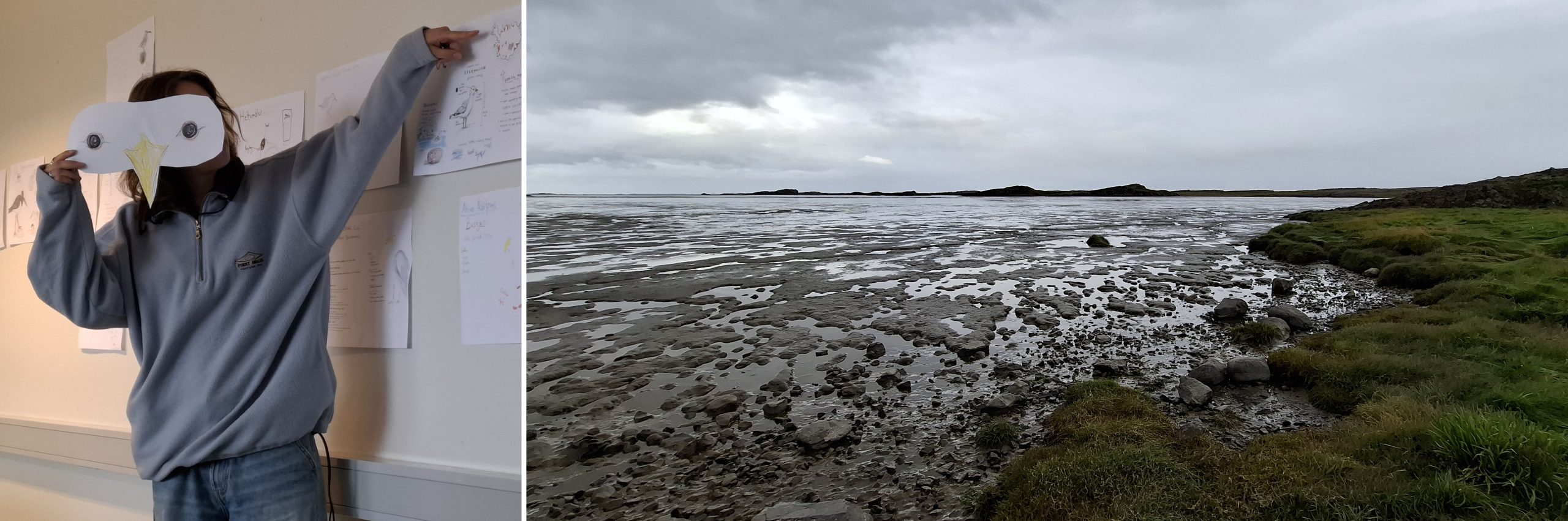
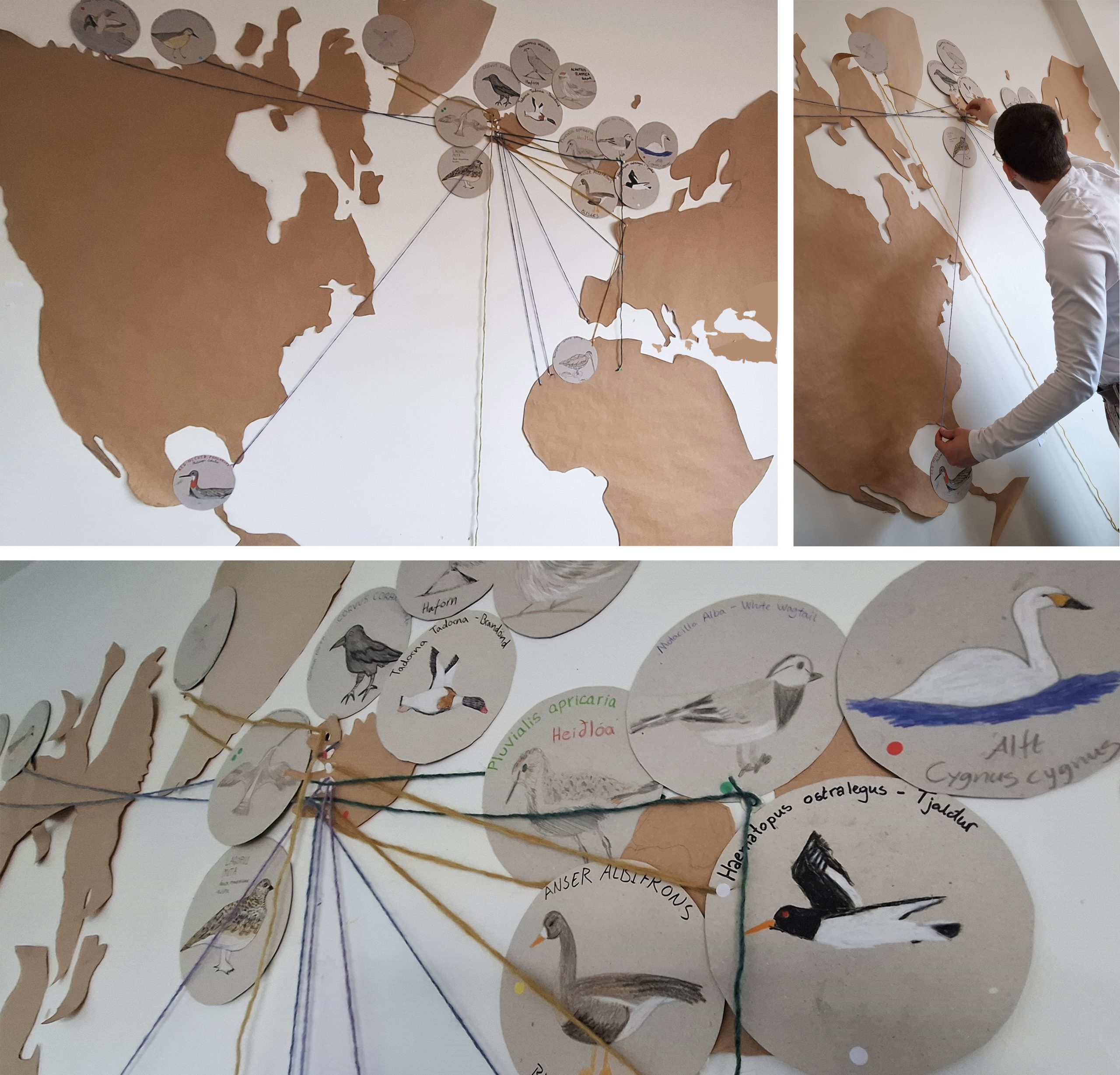
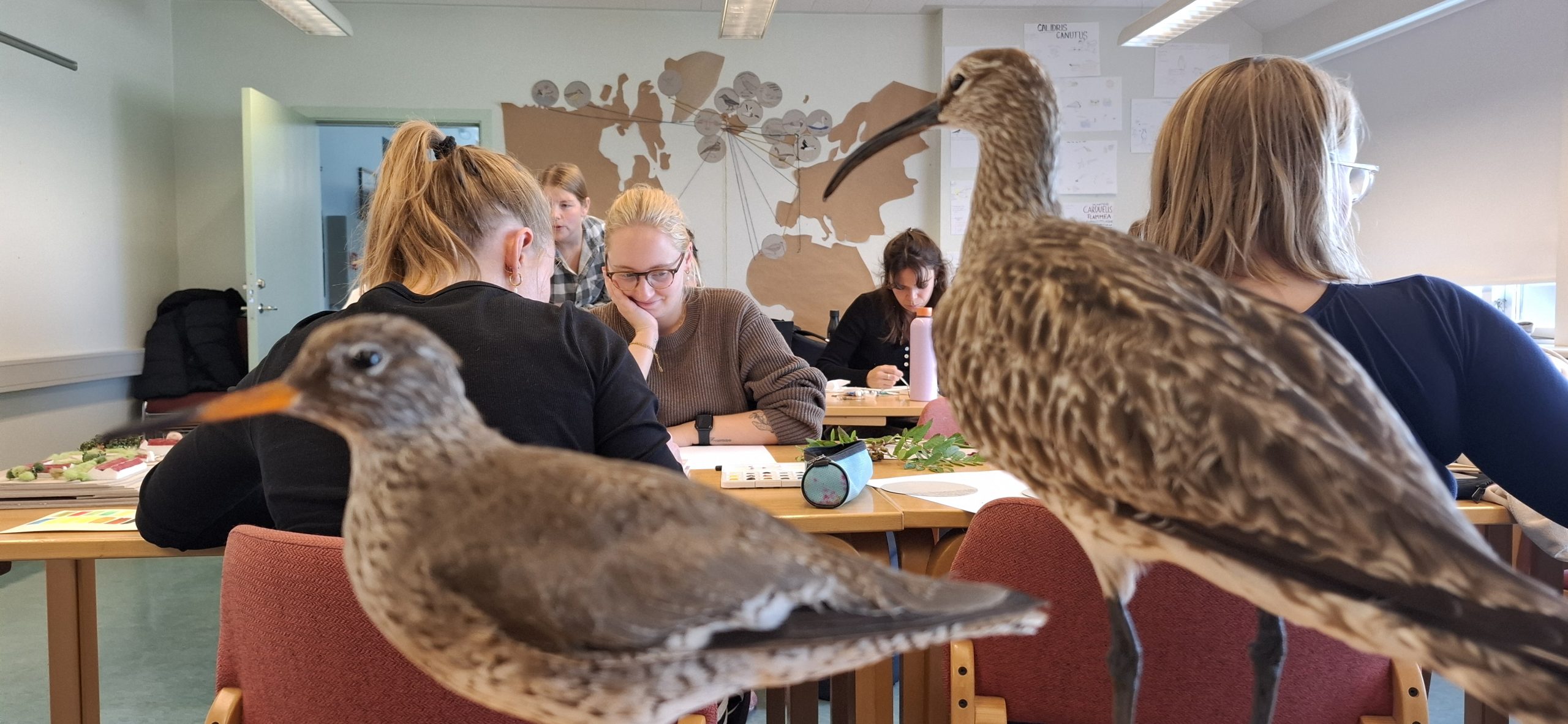
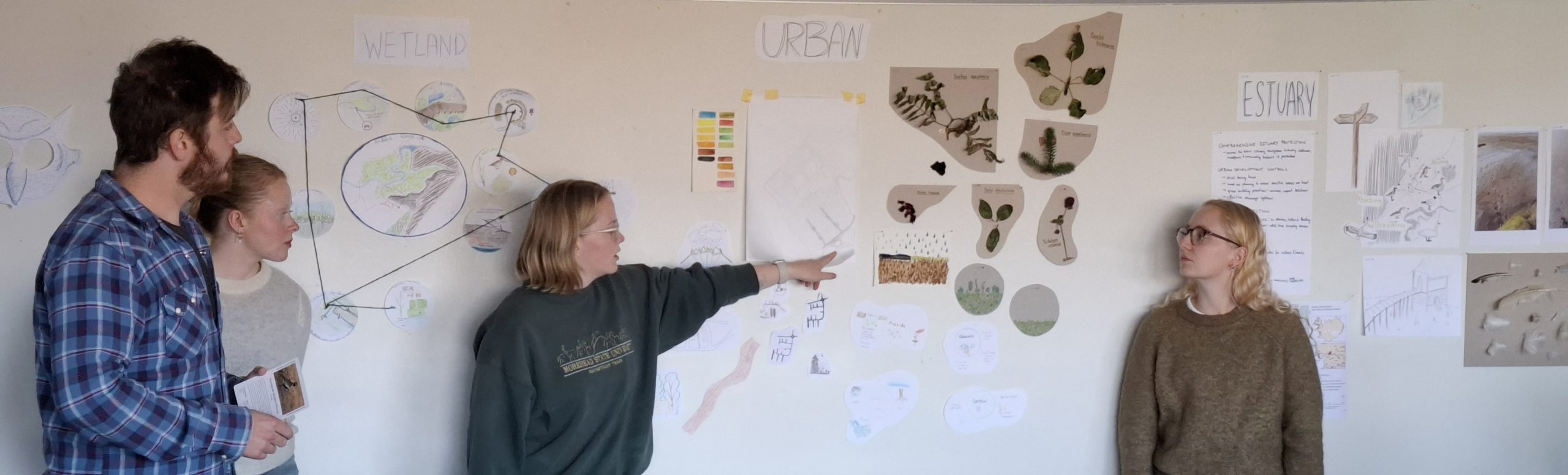
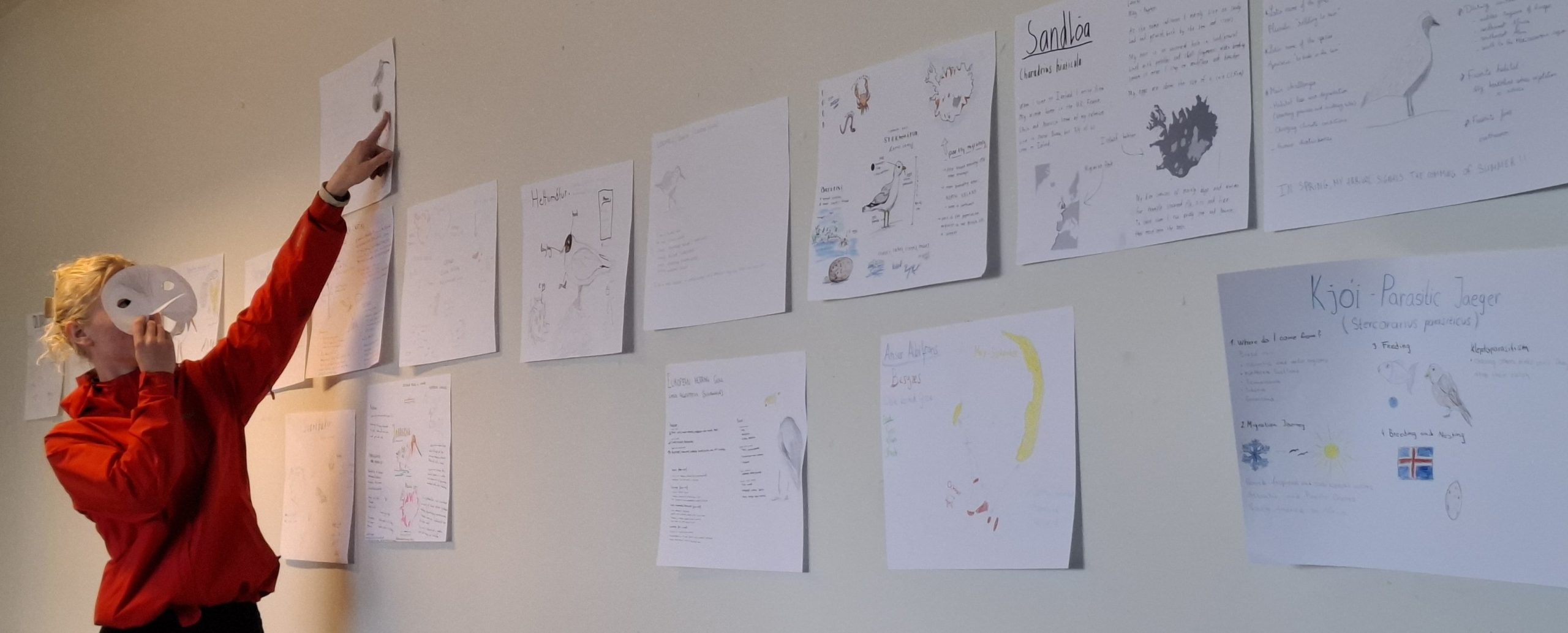
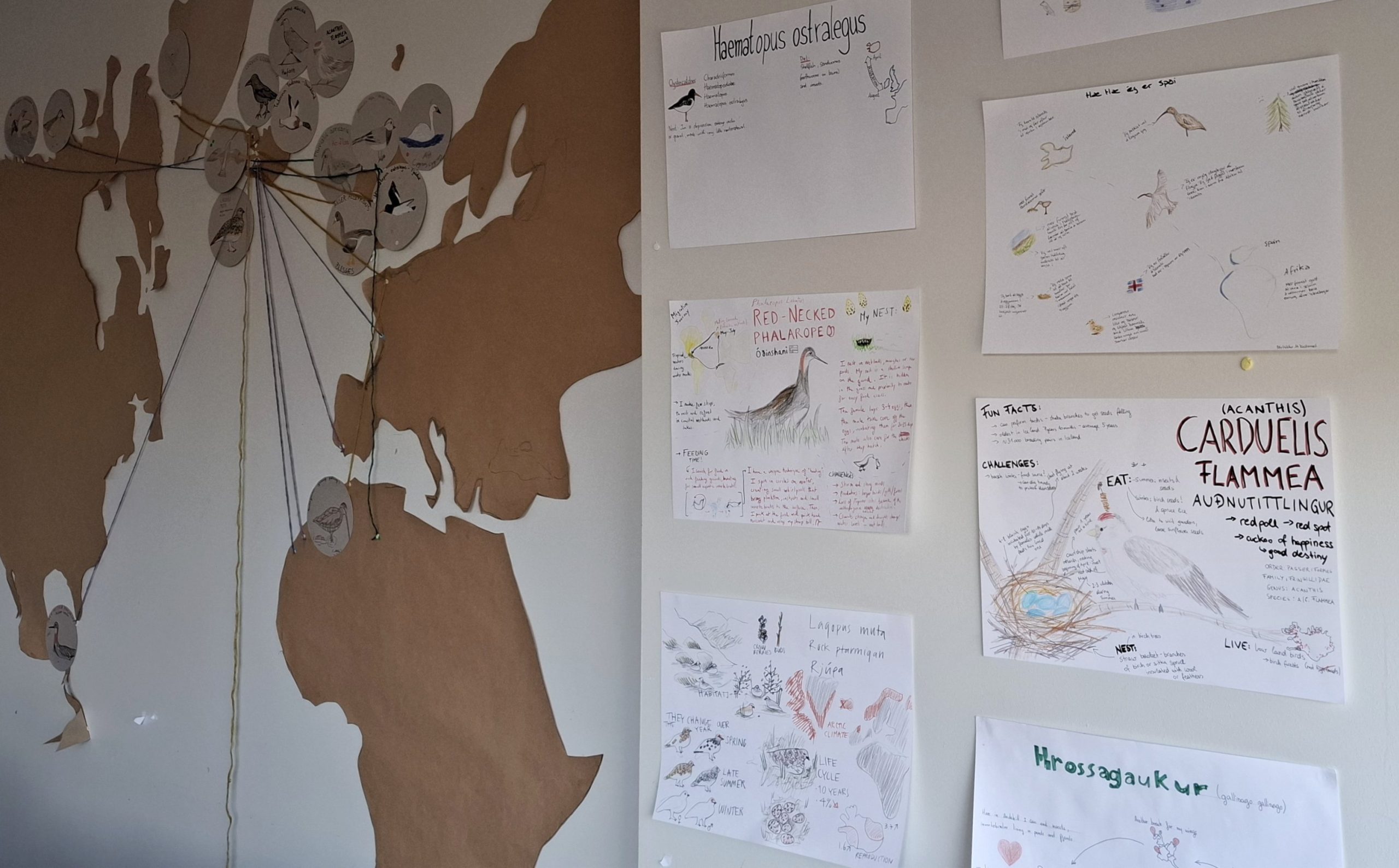
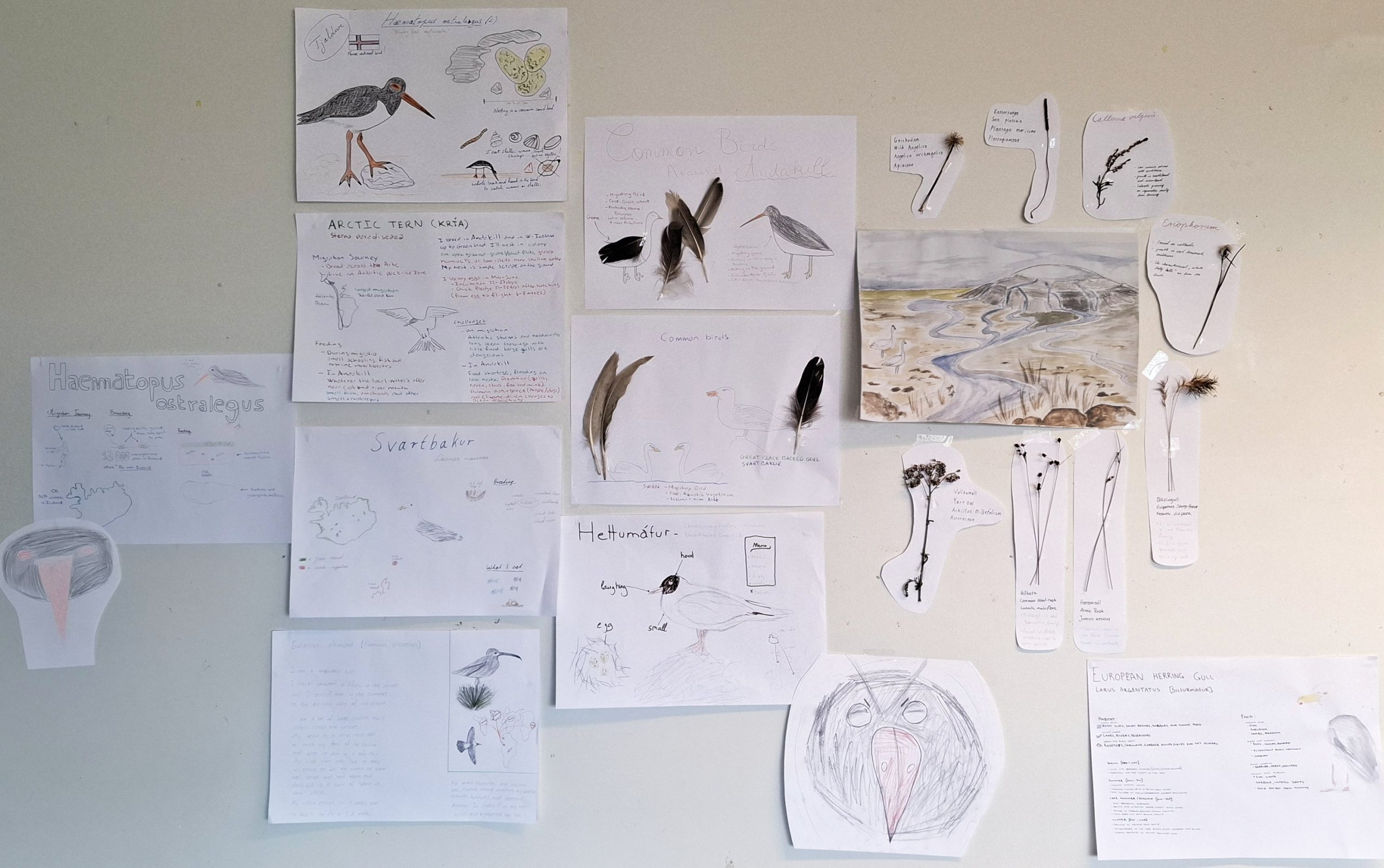
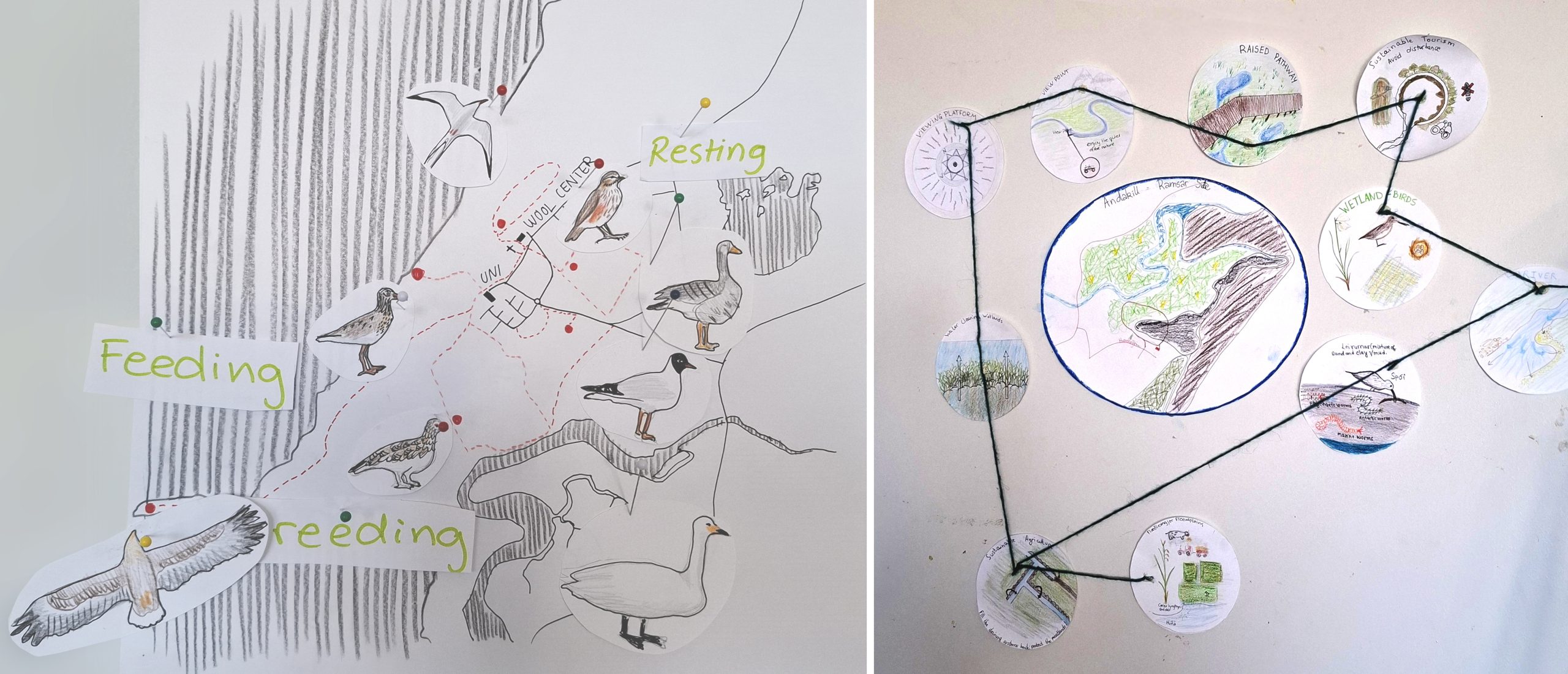
The educational exercise is organized in two phases. The first phase, divided into two stages, focuses on the study of migratory and resident birds inhabiting Andakill. Each participant embodies the role of a specific bird species and expresses themselves in the first person, exploring questions about the species’ journey and daily life: Where do I migrate from? How long does my migratory journey take? What do I eat? Where do I build my nest and when do I breed? What challenges do I face during migration and at Andakill? Wearing a bird visage that embodies their chosen species, participants share their answers and experiences, gaining a deeper understanding of the birds’ behaviors, nesting patterns, feeding habits, and other ecological characteristics. An interactive and collective world map is then created where each participant traces the migratory routes of their assigned bird using threads, including origins and trajectories up to Andakill-Iceland, generating a collective visualization of multiple species’ journeys.
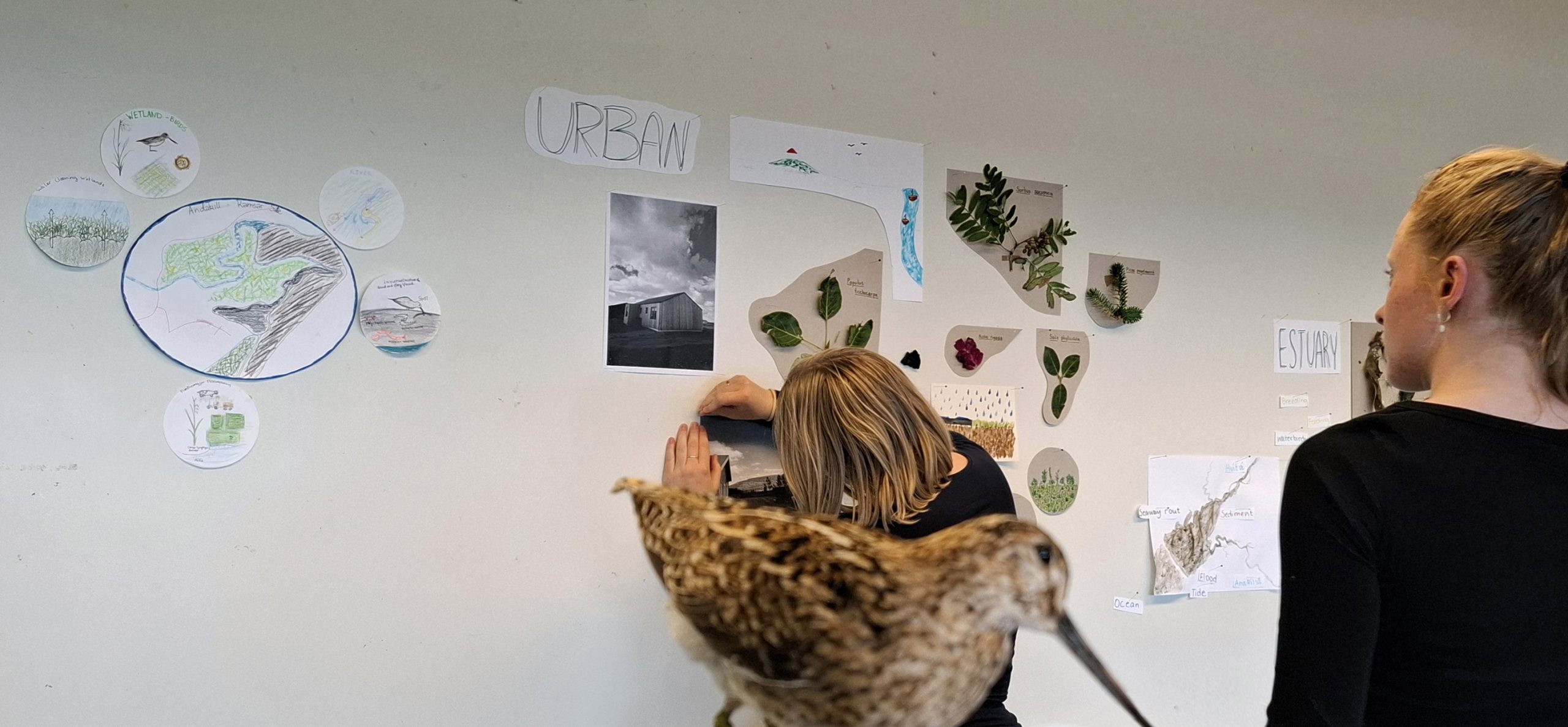
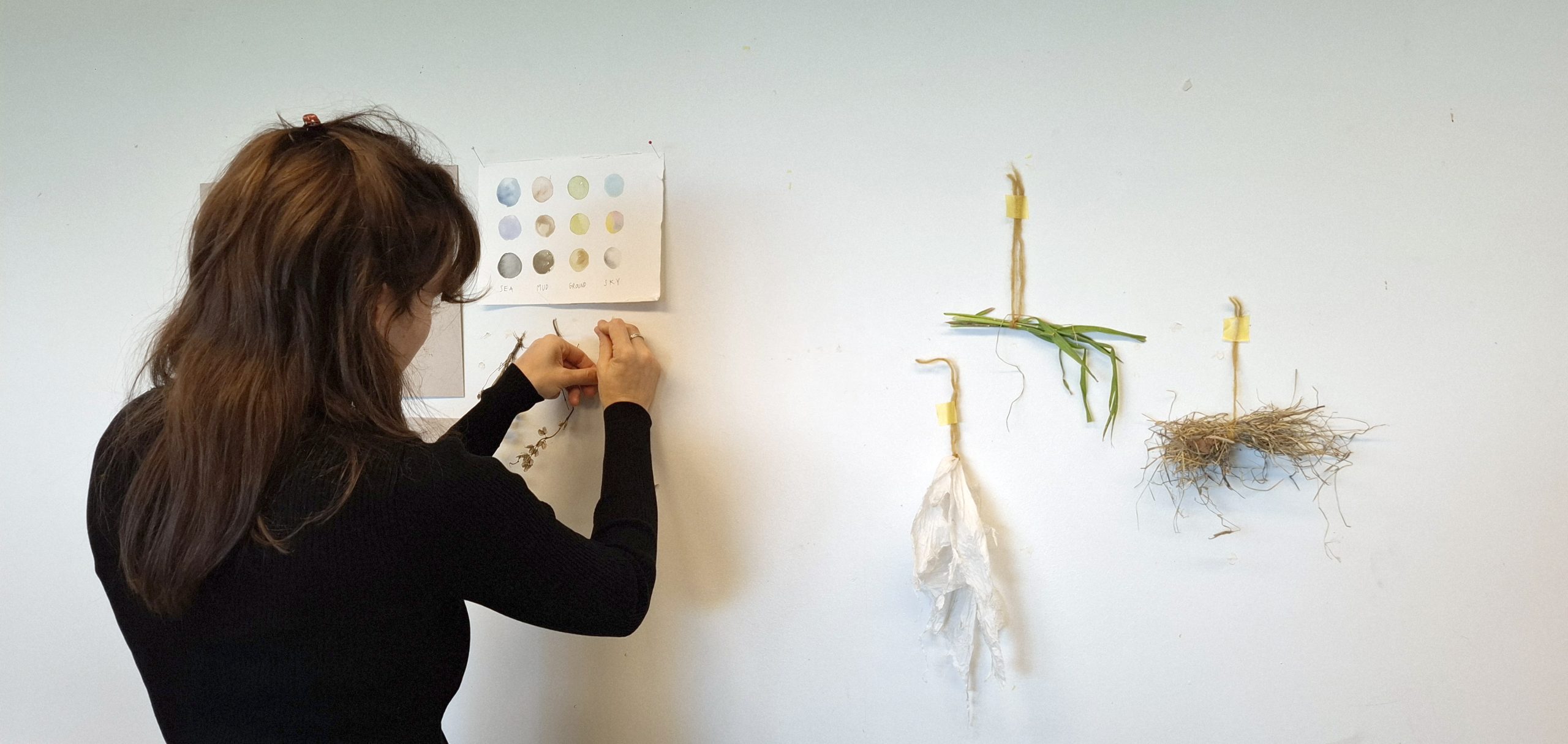
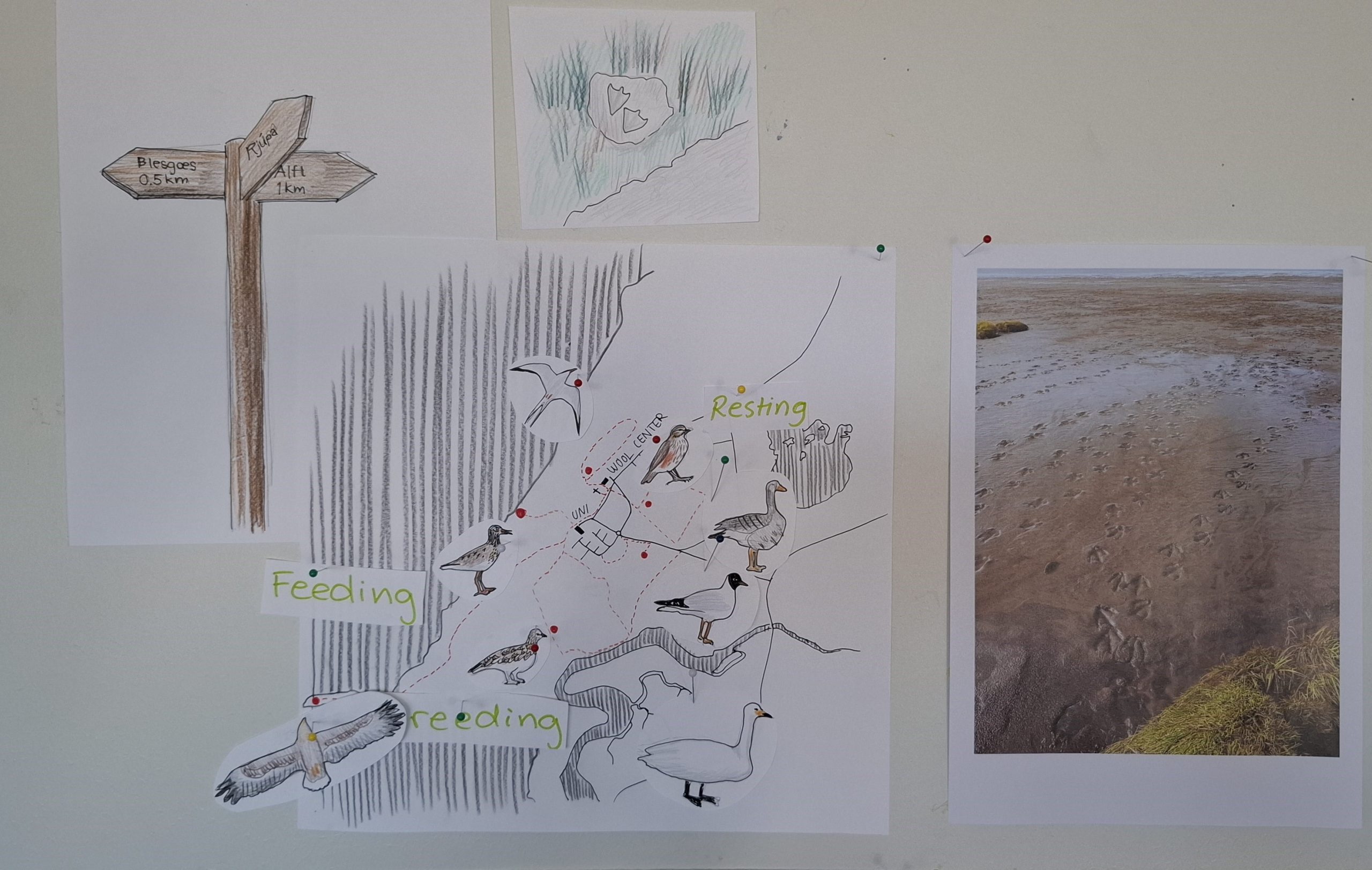
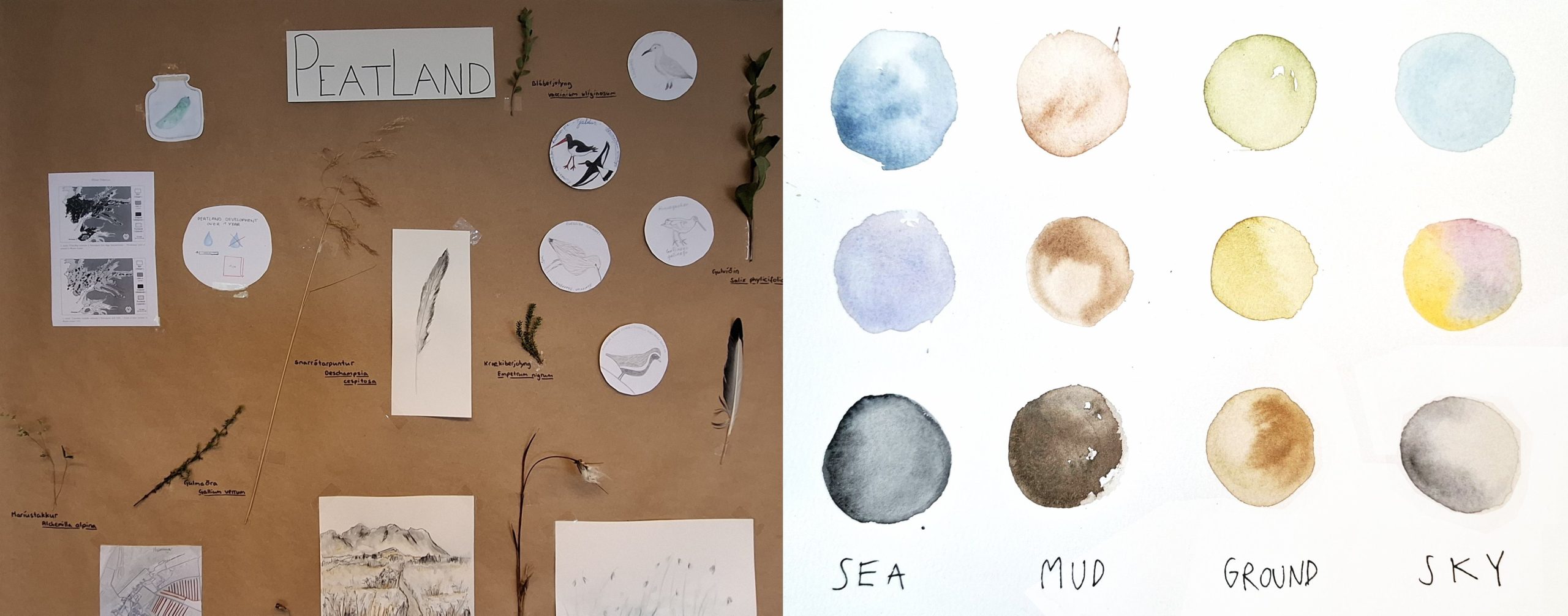
The second phase also has two stages. After familiarizing themselves with the birds, participants explore the characteristics of Andakill as habitat for these species. Four thematic frameworks guide the analysis of the main environments: the river delta, wetlands, agricultural fields, and the urban area. From these observations, each team develops strategies applying design principles to propose interventions that enhance, restore, and promote harmonious coexistence between biodiversity and human activities. The process explores the potential of design as a tool to support birdlife and foster care for the place and ecosystems, including creating observation shelters, trails that optimize experiences, and interventions that consider ecotourism and environmental conservation.
Through this exercise, participants develop a comprehensive understanding of avian life and the fragile Icelandic landscape, gaining experiential knowledge of ecological relationships, migratory behaviors, and habitat dynamics. The exercise highlights how immersive, research-based, and transformative educational practices can foster awareness, empathy, and active strategies for coexistence, demonstrating the role of design in connecting learning, observation, and conservation in delicate ecological contexts.
The initiative engages students from diverse disciplines, including Landscape Design and Environmental Sciences, within the Landscape Architecture Program of the Faculty of Planning and Design at the Agricultural University of Iceland | Landbúnaðarháskóli Íslands, and seeks to integrate different academic disciplines in exploring and understanding fragile ecological landscapes.
Reflection
By tracing both waters and birds, the project highlights how immersive observation and design strategies can deepen our understanding of complex ecosystems. It invites participants to engage actively with the landscape, fostering empathy, awareness, and the potential to envision sustainable relationships between humans and fragile natural systems.
Credits
Academic-research initiative developed by Ivan Juarez as Lead Researcher within the Icelandic Nordscape Lab at LBHI
research & didactic team: Ivan Juarez, Nanna Vilborg, Helena Guttormsdóttir | Landscape Architecture | Faculty of Planning & Design | AUI University
participants: Ambroise Desnos, Dorothea Bittmann, Edda Björg Eiríksdóttir, Eiður Eyþórsson, Halldór Eiríksson, Hekla Rán Kjartansdóttir, Klara Sól Freeman, Lovisa Olsson, Man B K, Marco Augris, Rannveig María Björnsdóttir, Runólfur Þorláksson, Shaun Wesley, Timéo Sibila, Þórhildur María Kristinsdóttir
Birds: Blesgæs, Álft, Urtönd, Stelkur, Brandandi, Beach-duckur, White‑tailed eagle, Black‑tailed godwit, Short‑eared owl, Common redpoll, Raven, Starling, Arctic tern, Red‑necked phalarope