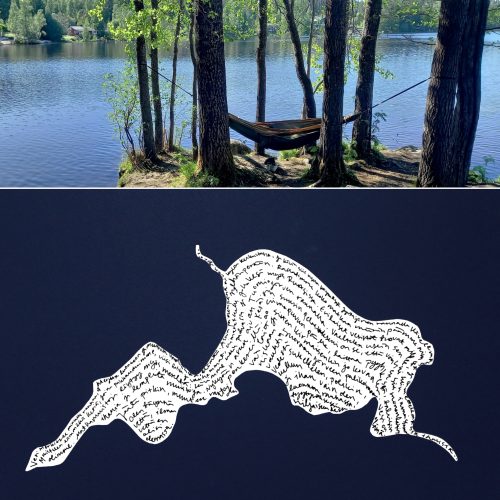
Site-Based Explorations and Collective Narratives Across Jyväskylä Waterscapes
Jyväskylä | Lakeland Finland
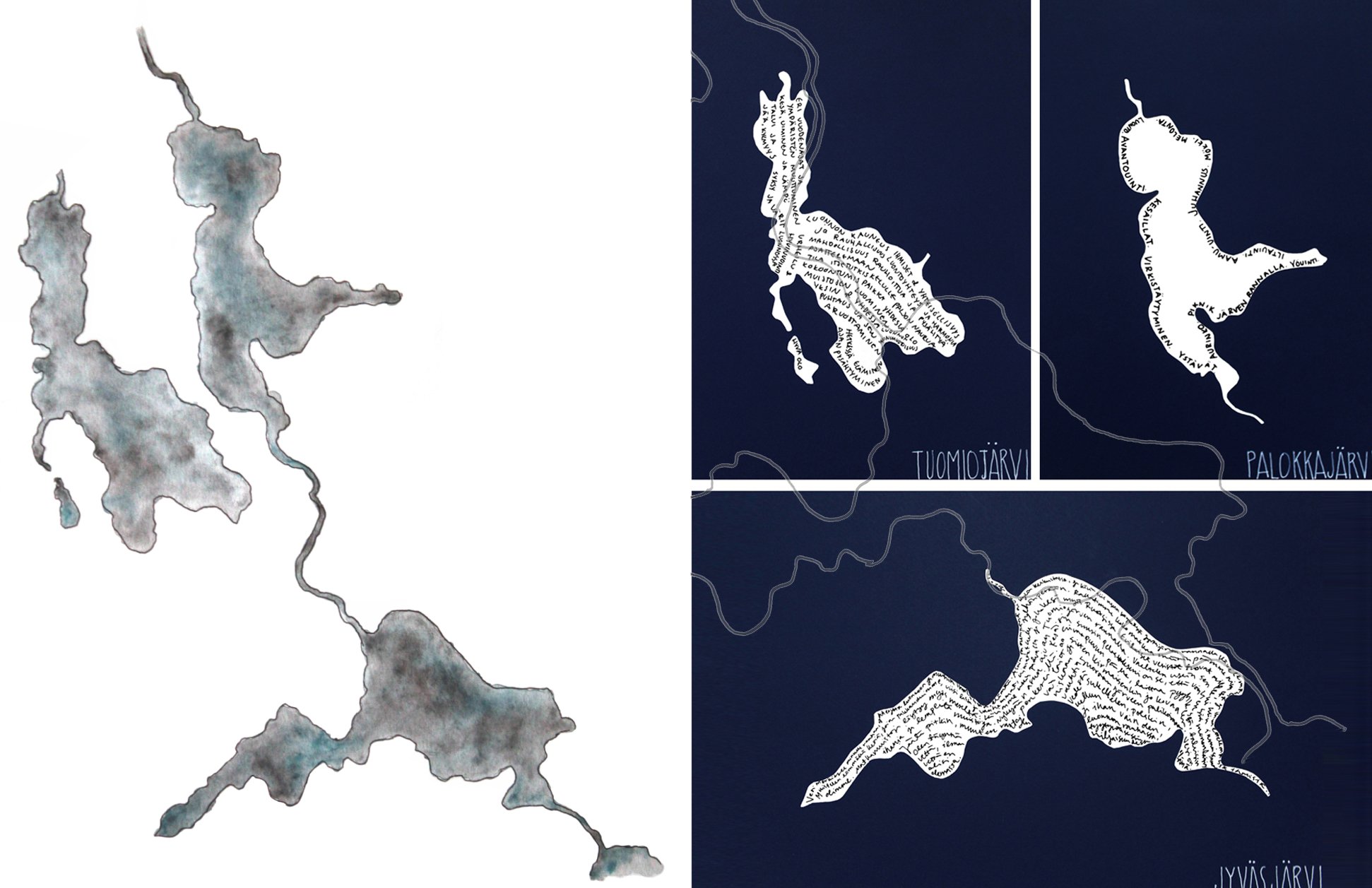
The Language of Water investigates the waterscapes of Jyväskylä in Finland’s Lakeland, including Jyväsjärvi, Tuomiojärvi, and Palokkajärvi lakes, as living laboratories for exploring human-nature interaction, landscape perception, and collective understanding. The project proposes water as a communicative medium, highlighting how lakes, their surroundings, and human participants interact in dynamic, context-sensitive ways. By integrating ecological, cultural, and perceptual perspectives, the research searches landscape approaches focused on sensitivity, reflection, and shared knowledge.
Site context:
Jyväskylä’s waterscapes form complex and interconnected lake systems that include rivers, wetlands, and shoreline habitats. These dynamic territories are shaped by seasonal cycles and ecological interactions, and support high biodiversity. The lakes and their surrounding landscapes function as living laboratories, providing conceptual and physical frameworks for site-based exploration. By focusing on the lakes as active landscape features, the project proposes the “language of water” as a framework for understanding environmental processes, community engagement, and human-nature relationships.
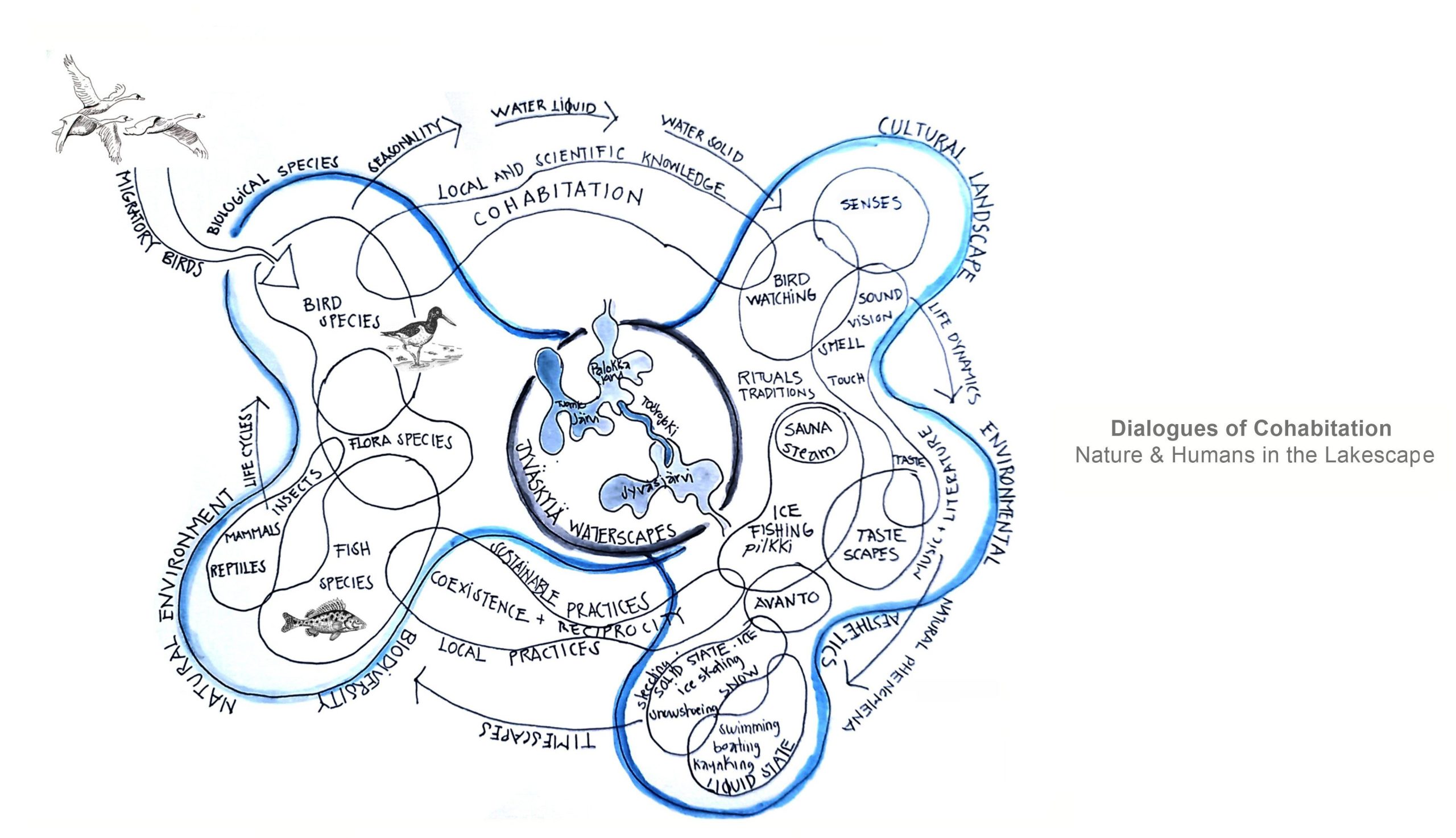
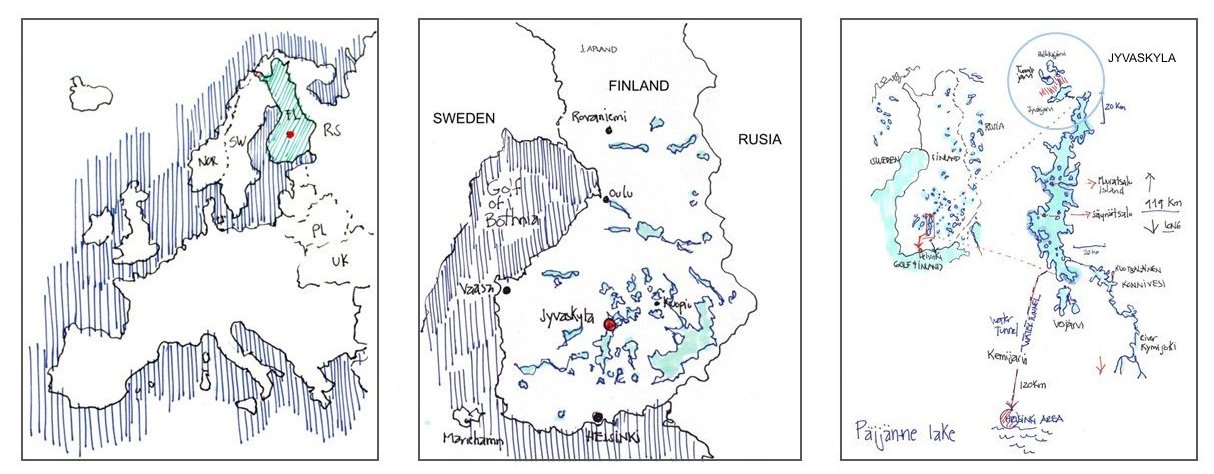
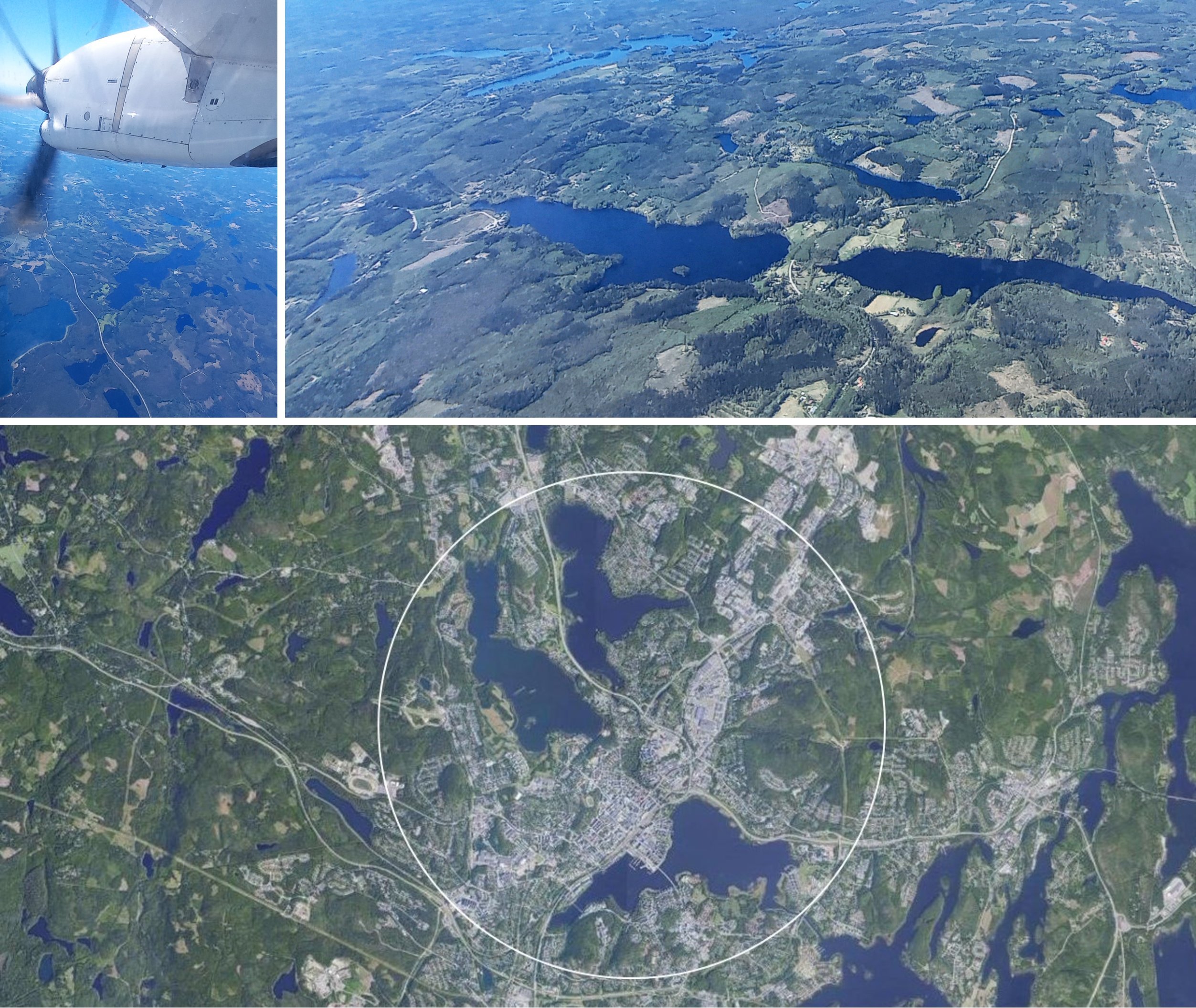
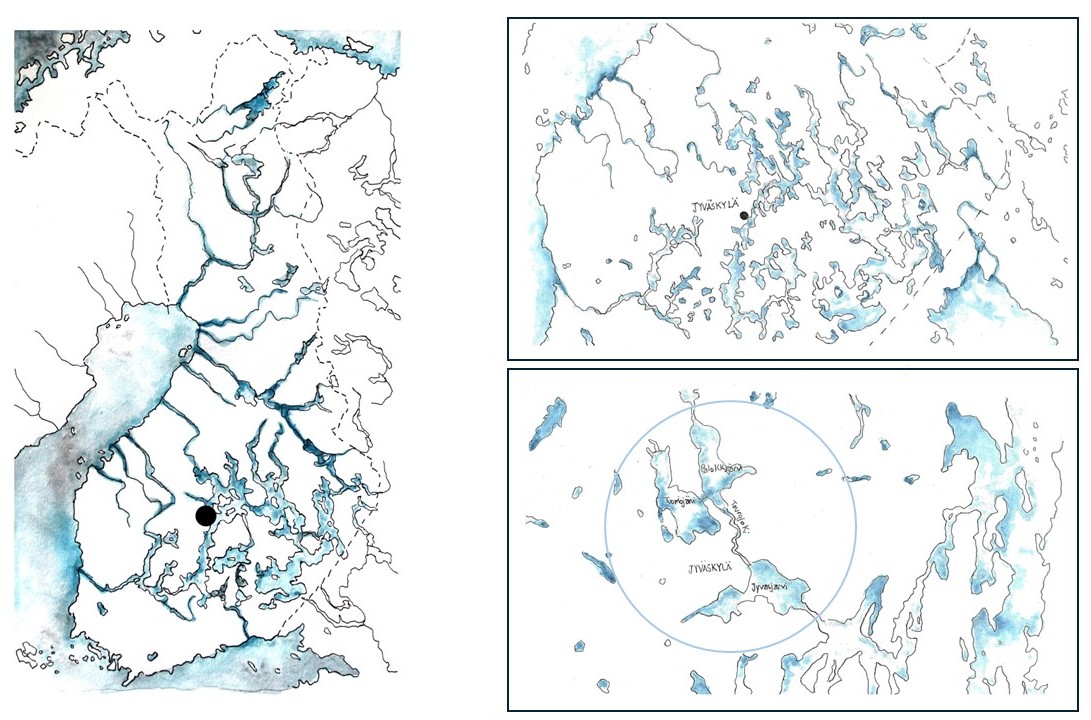
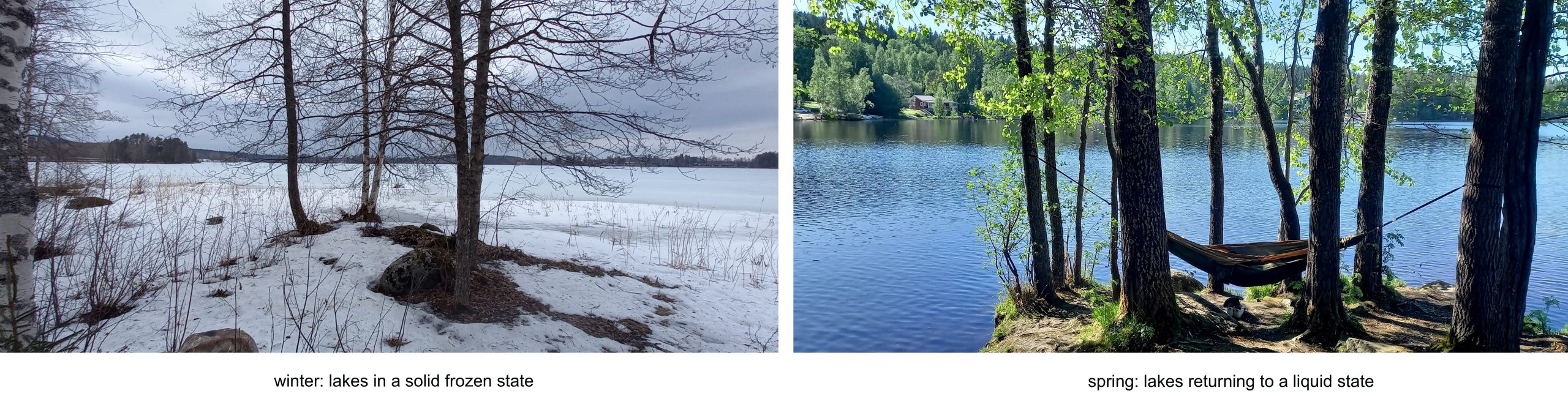
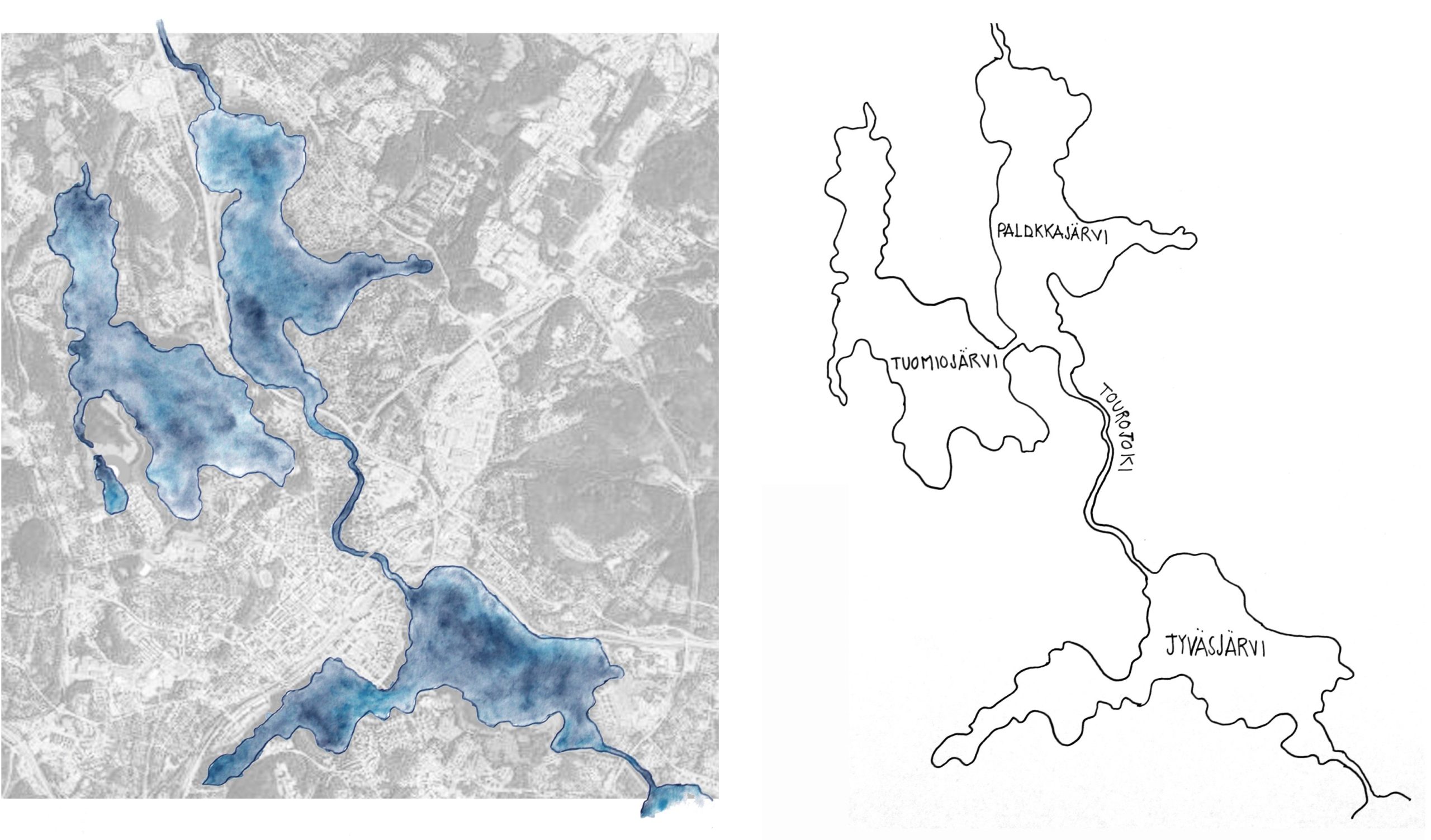
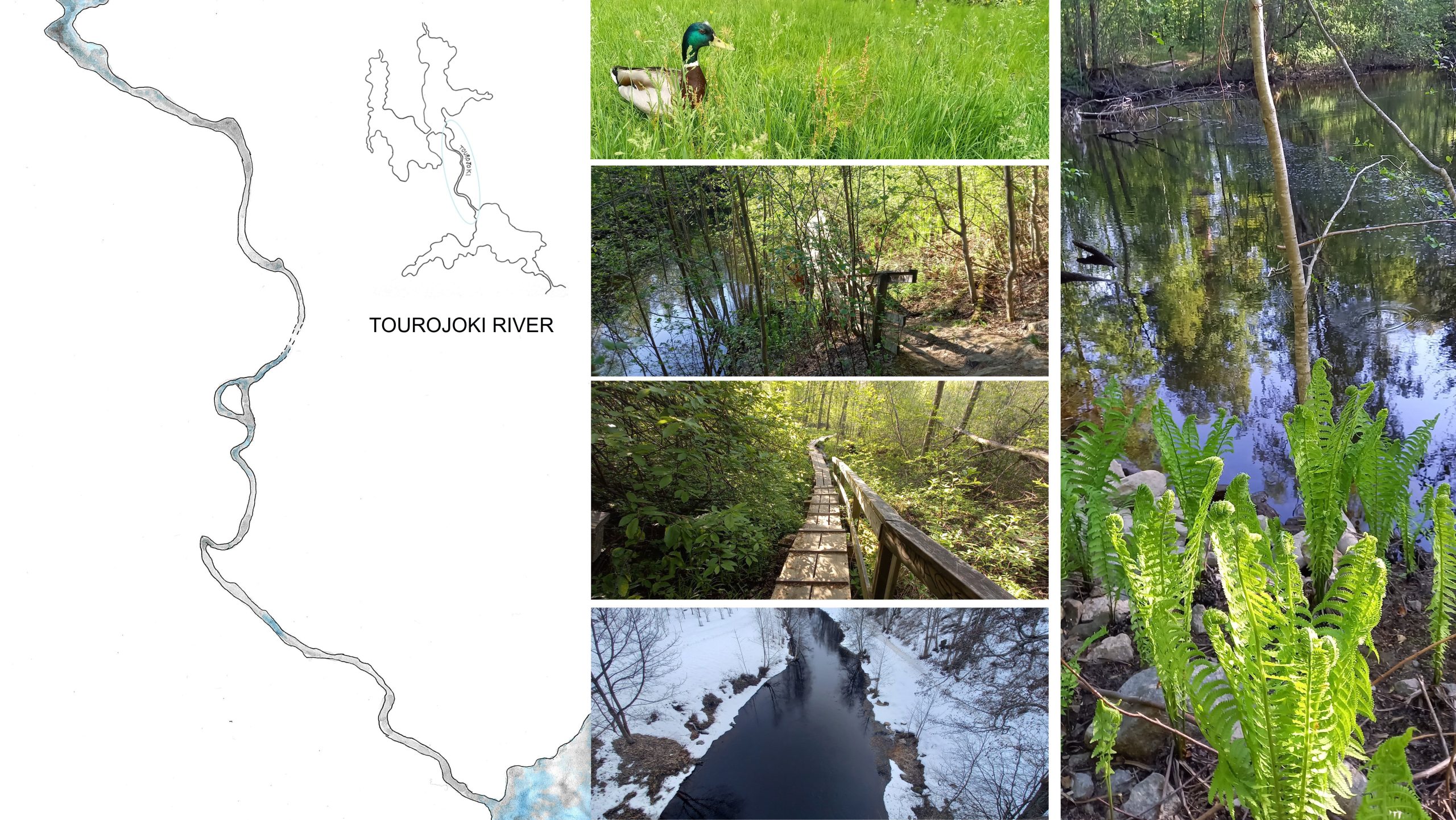

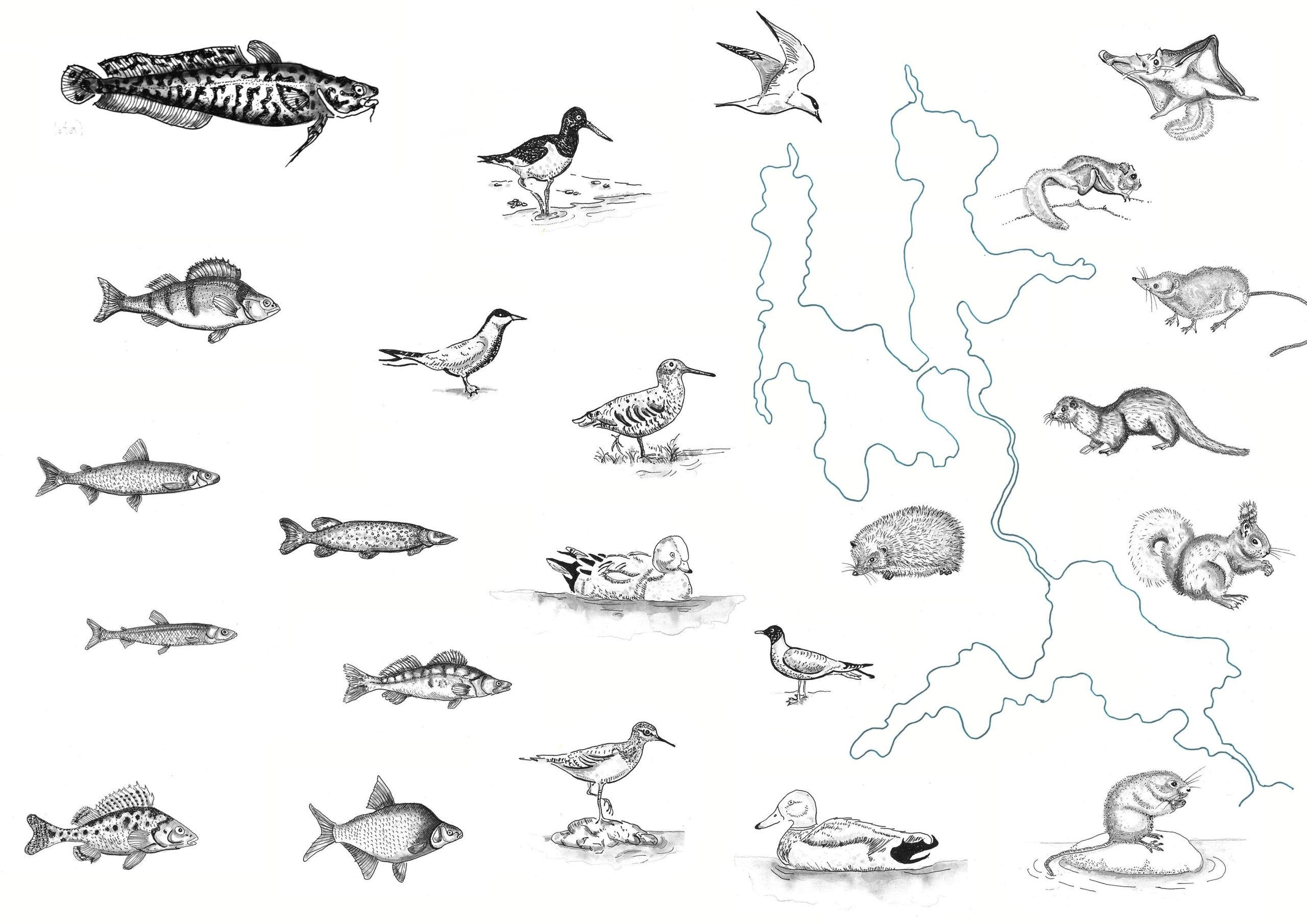
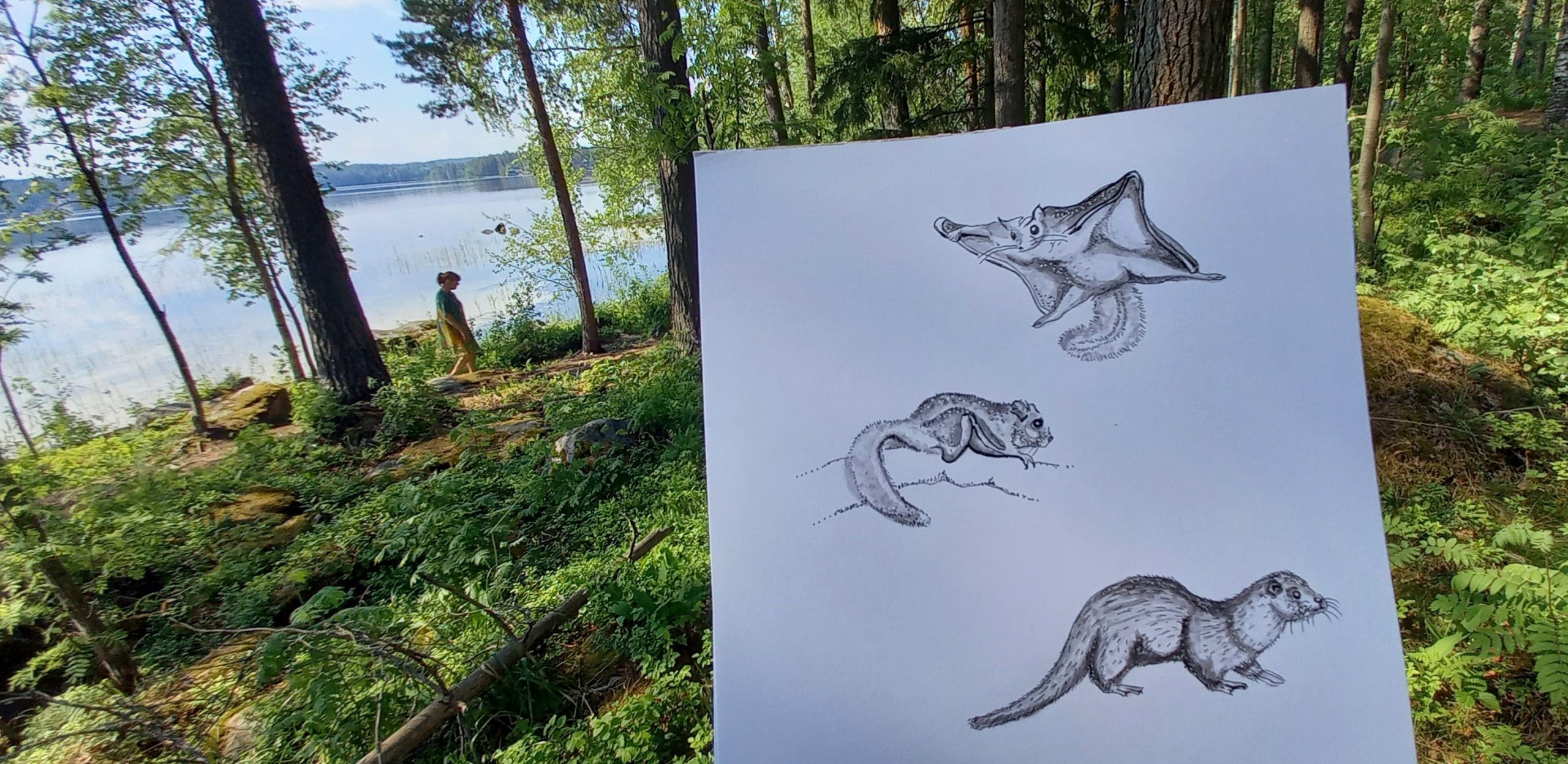
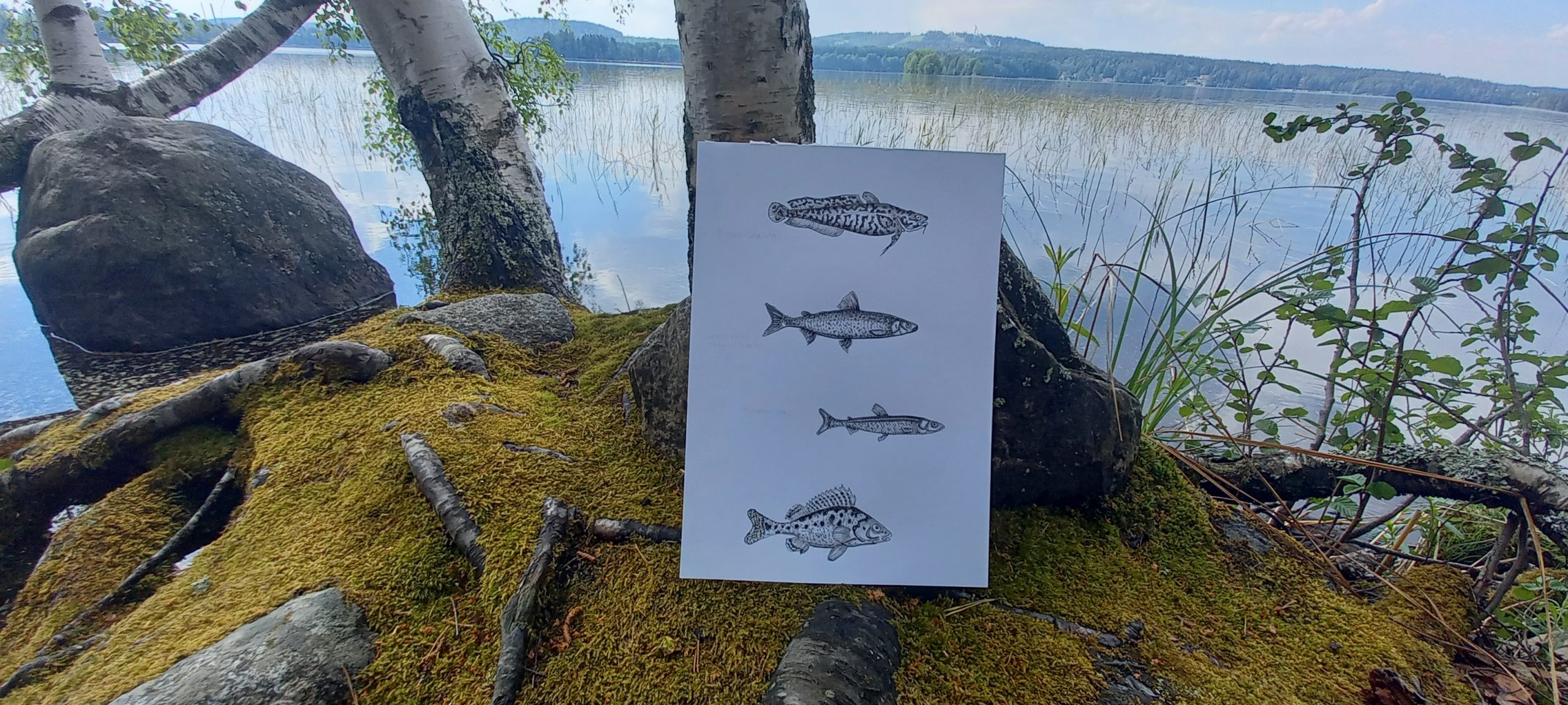
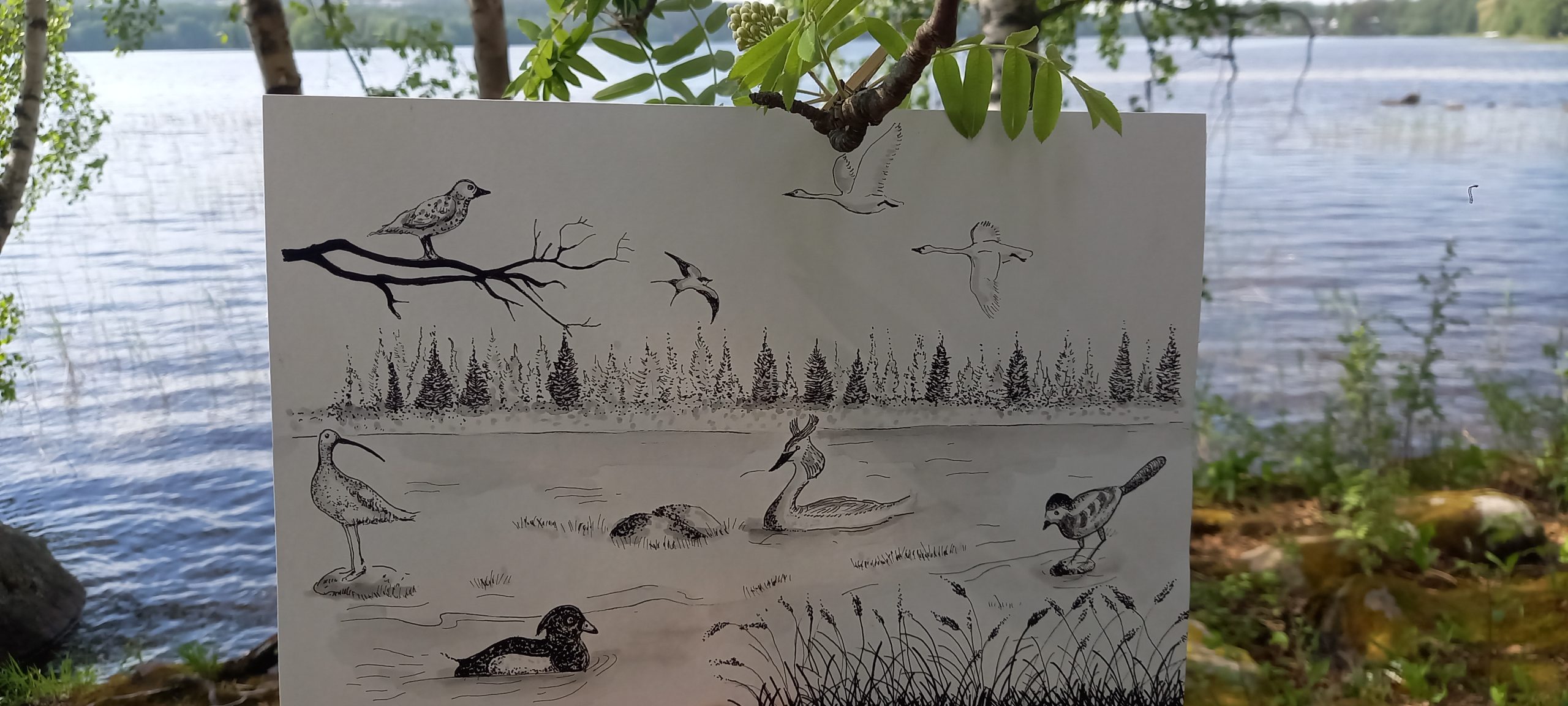
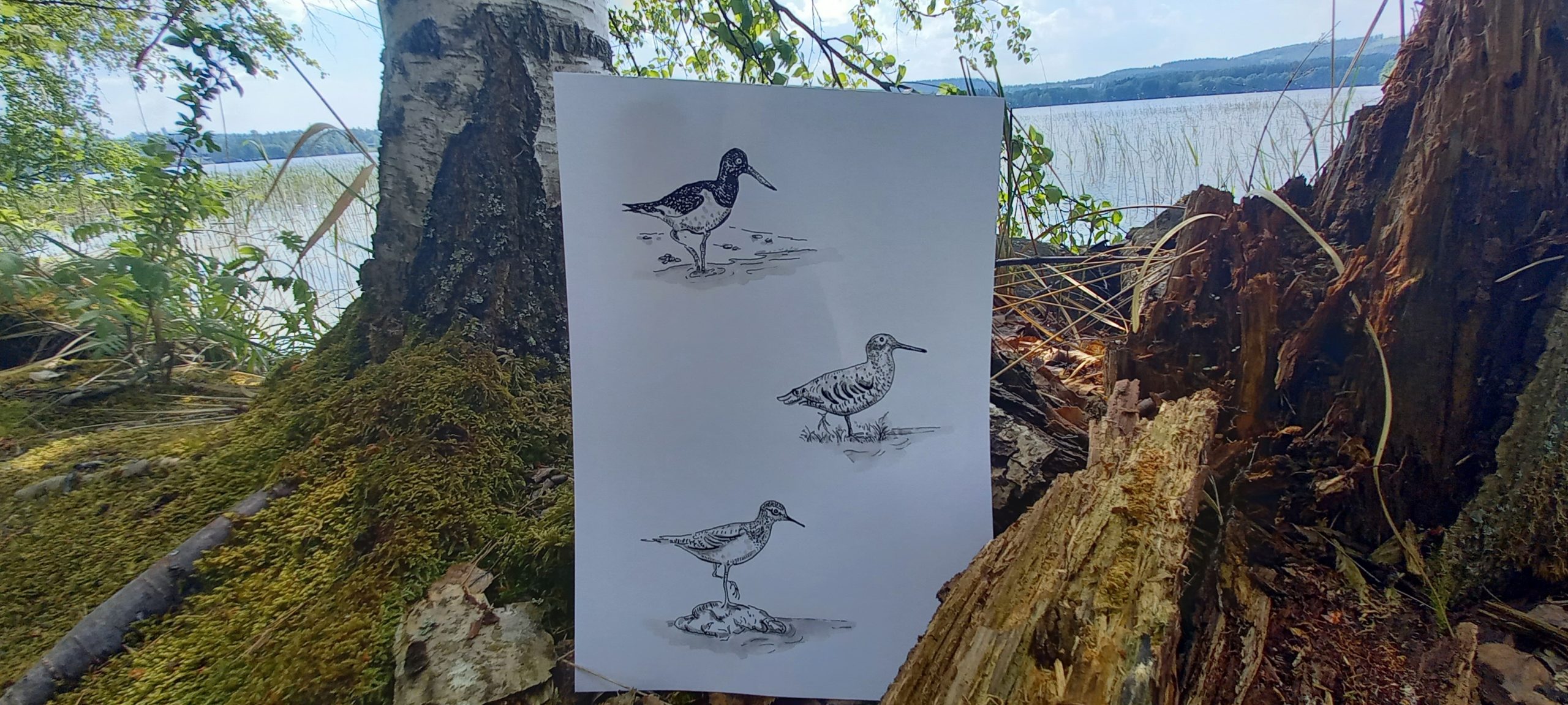
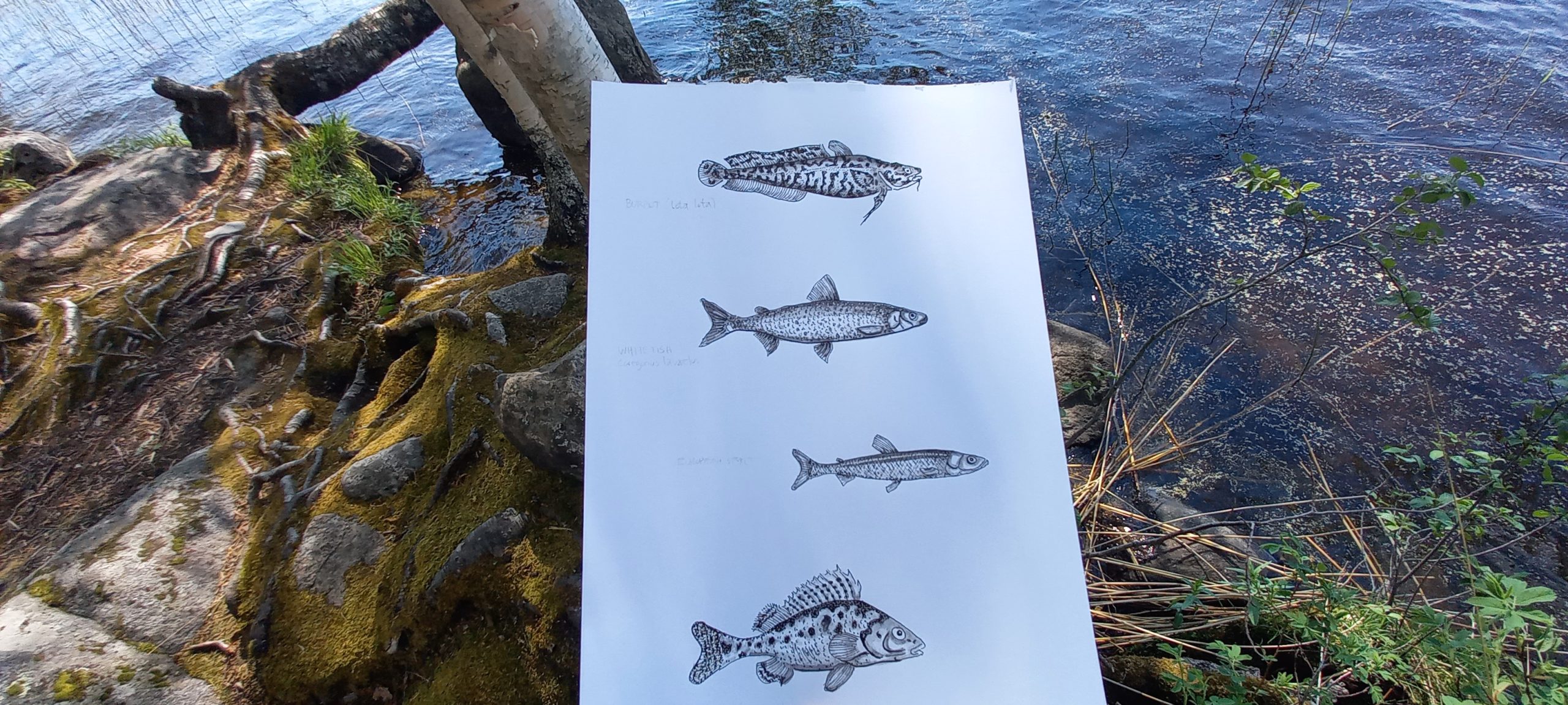
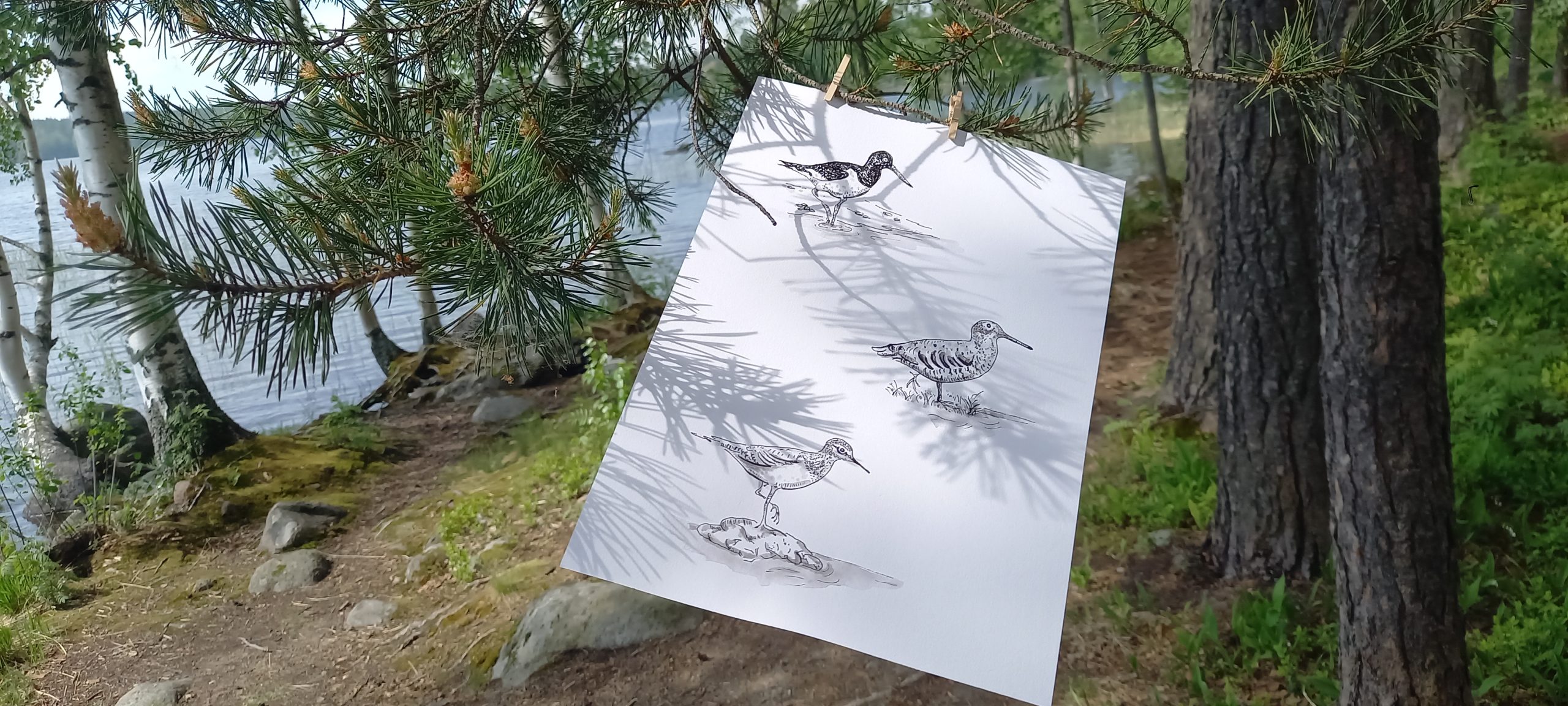
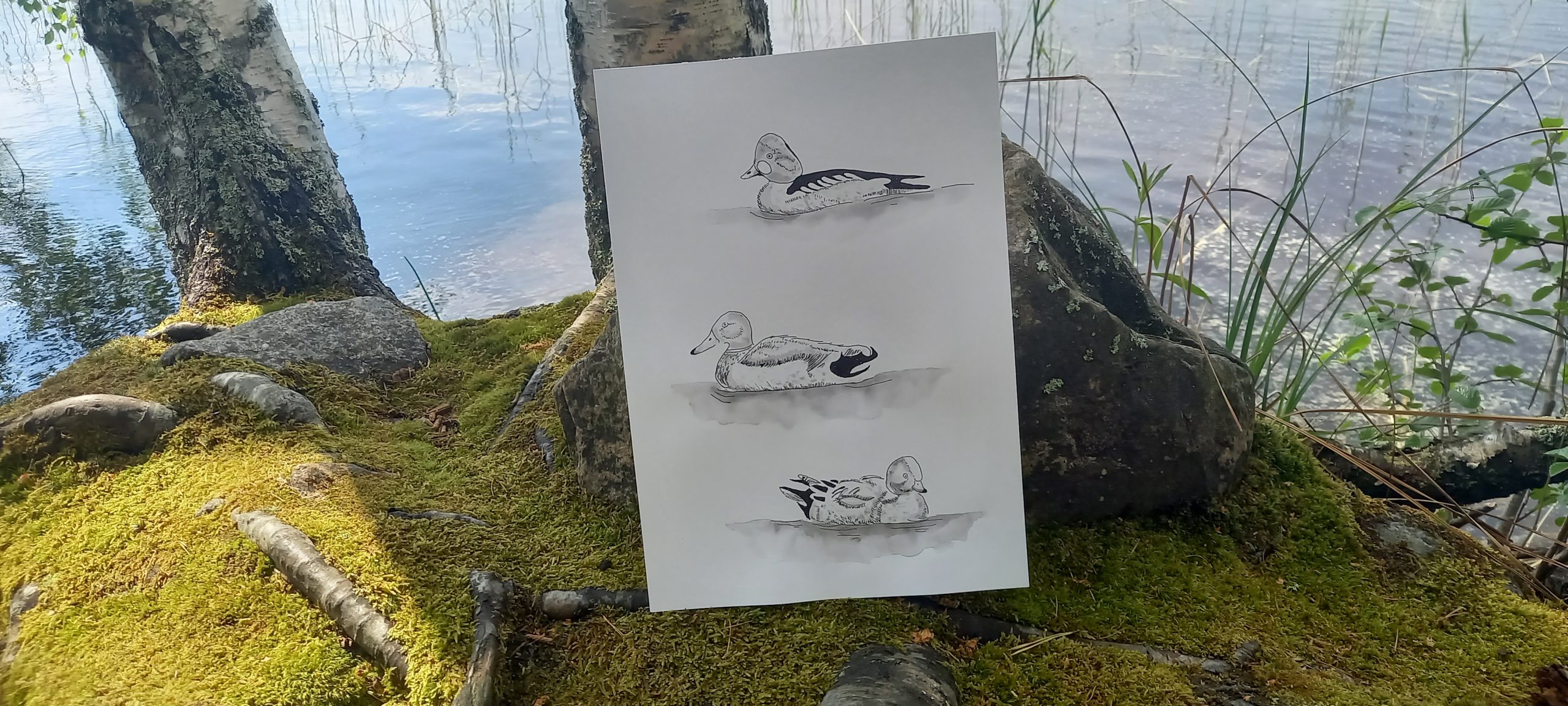

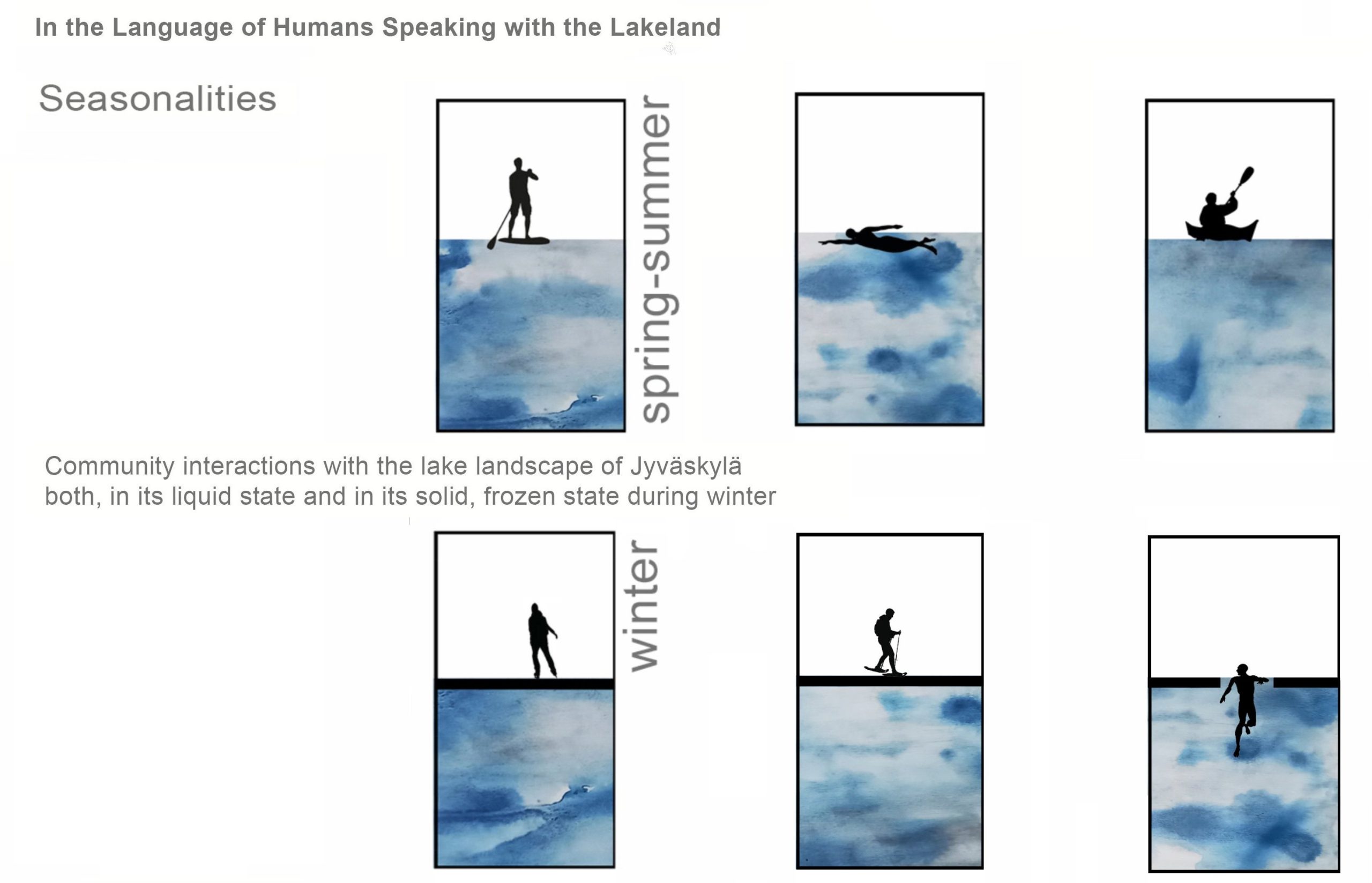
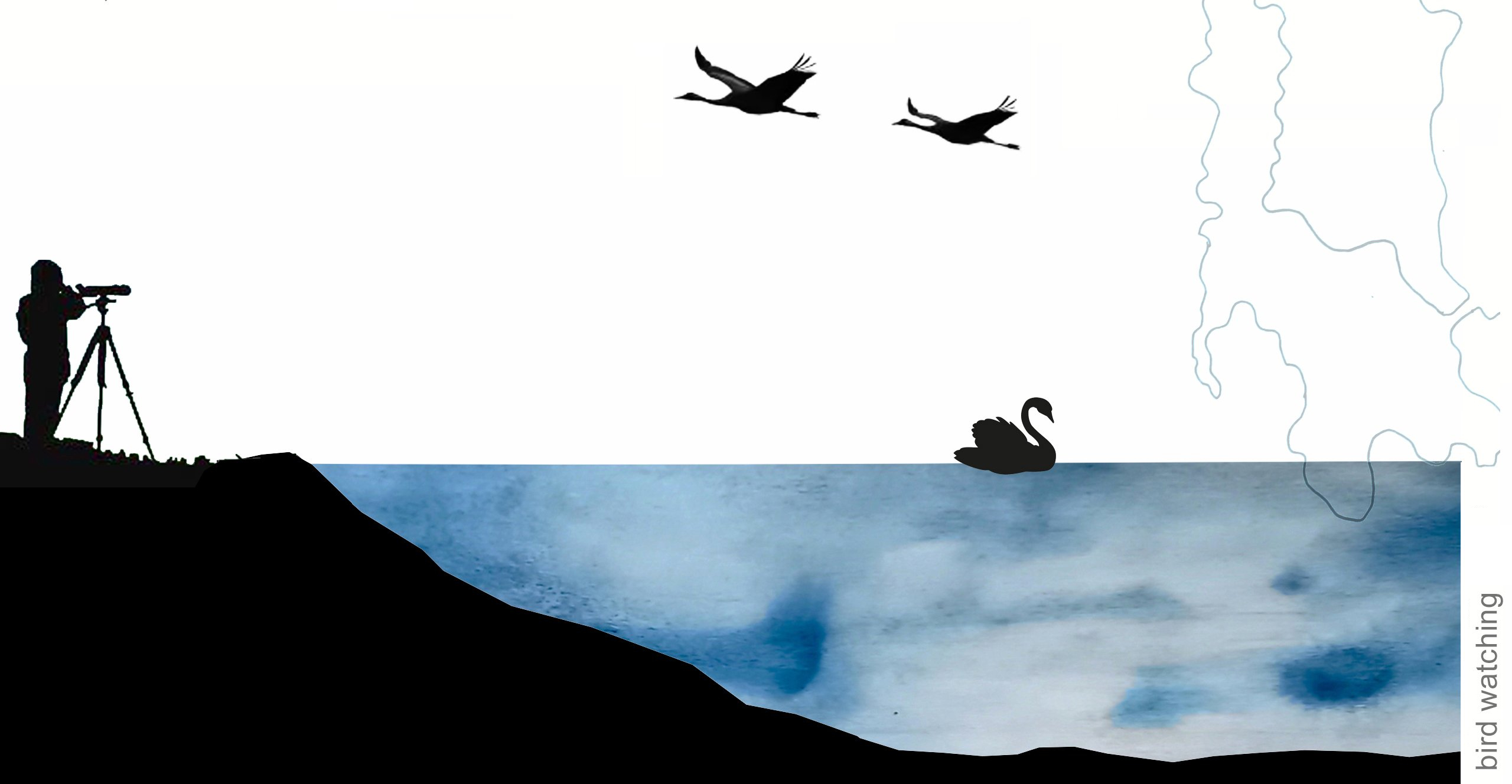
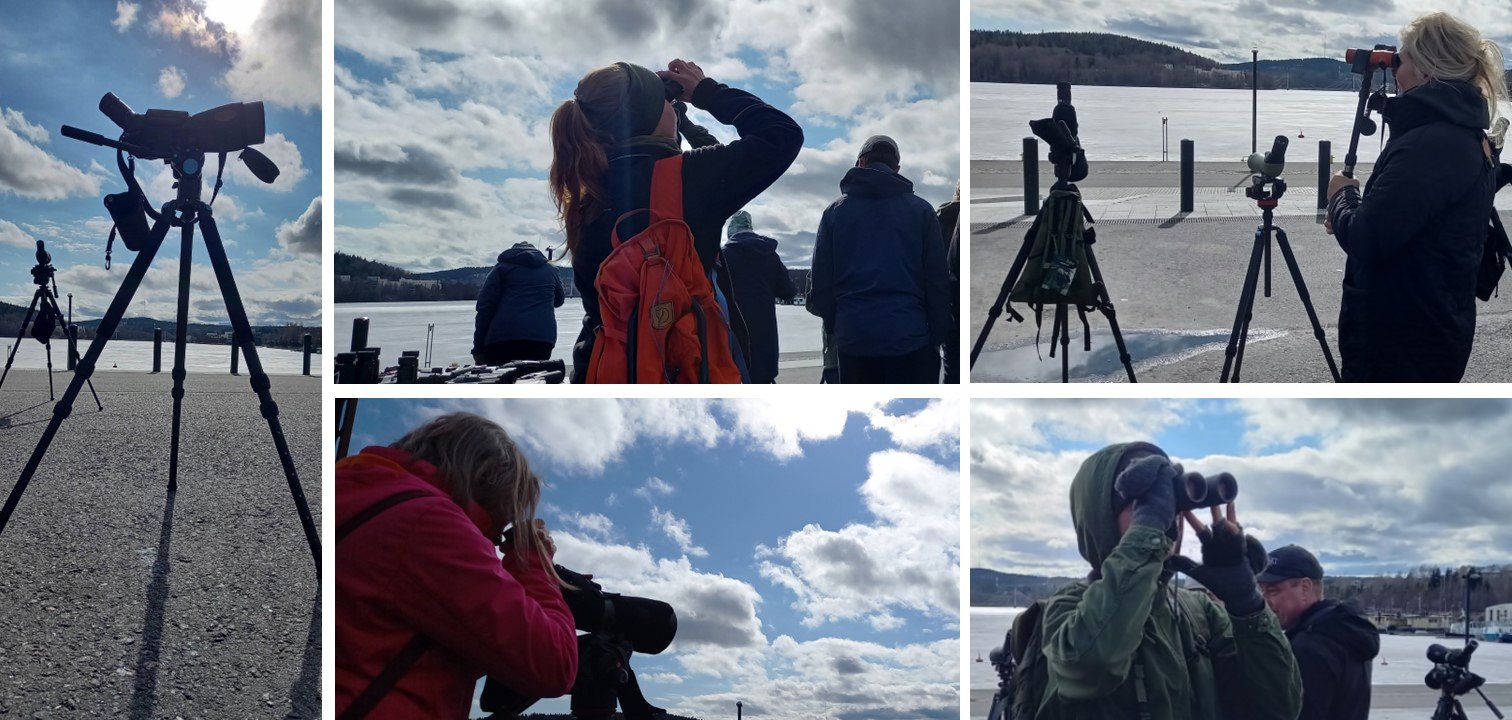
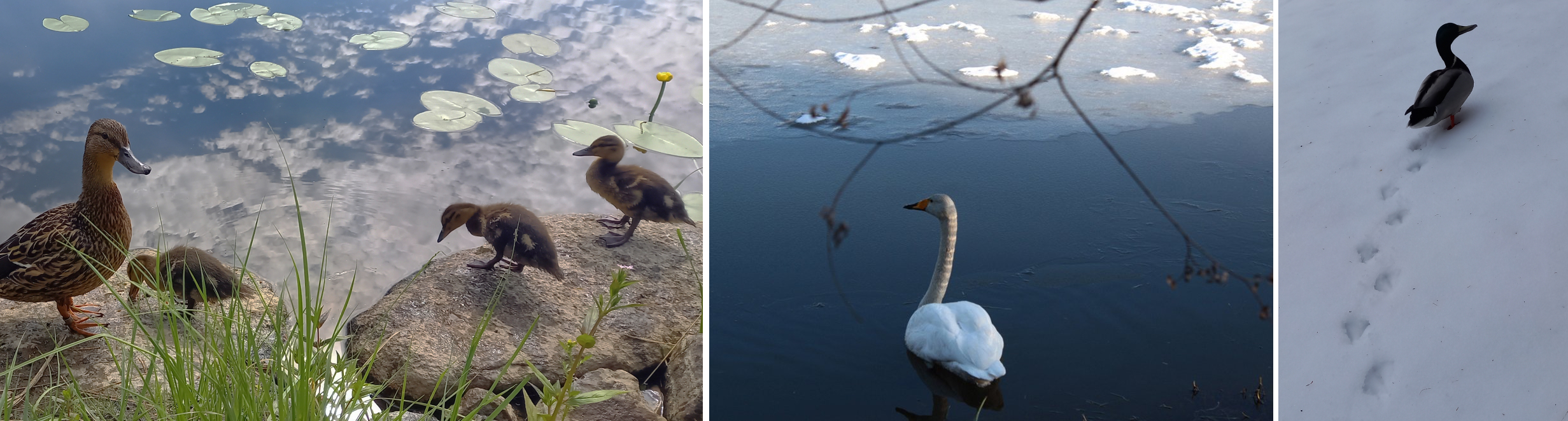
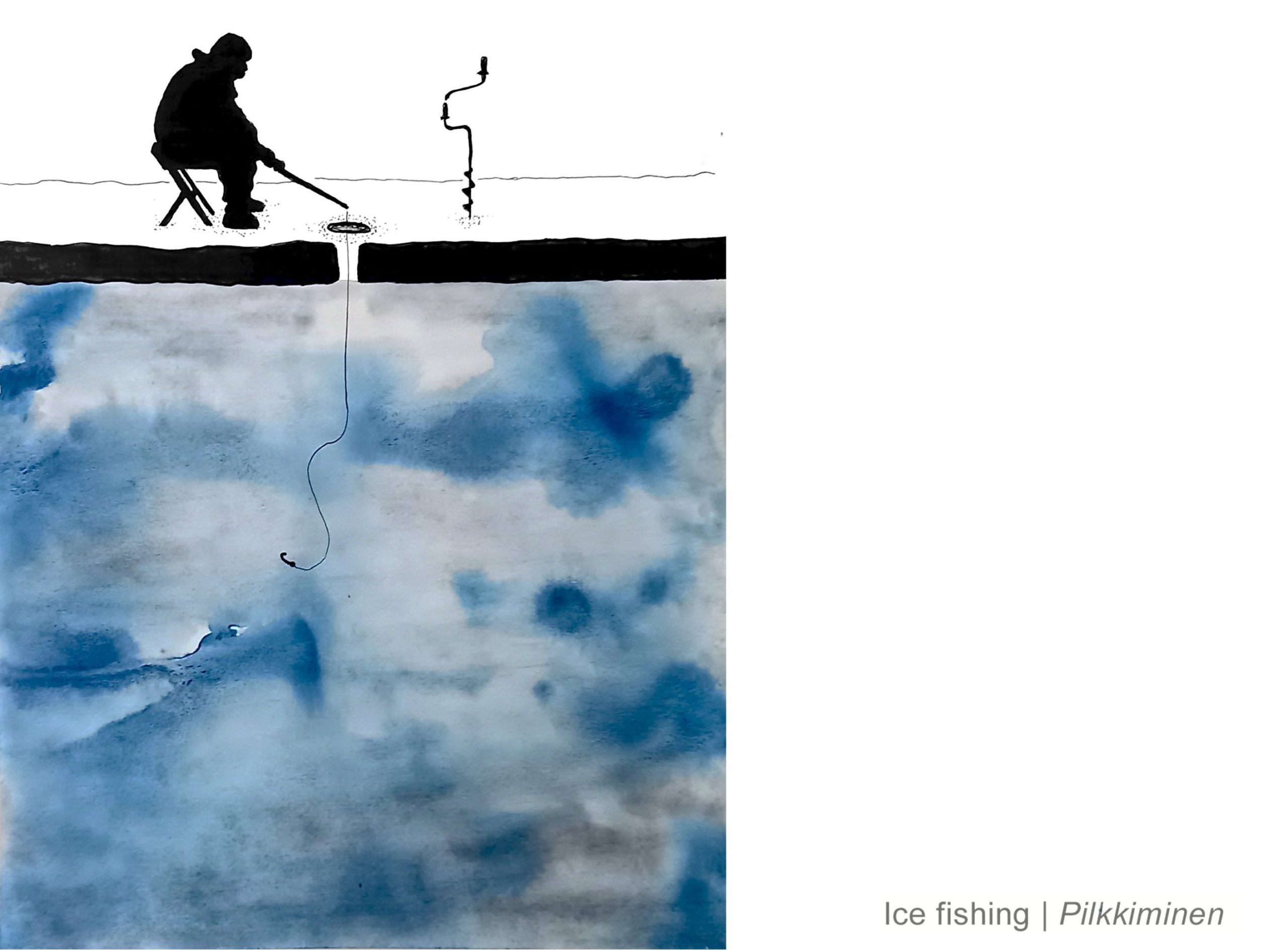
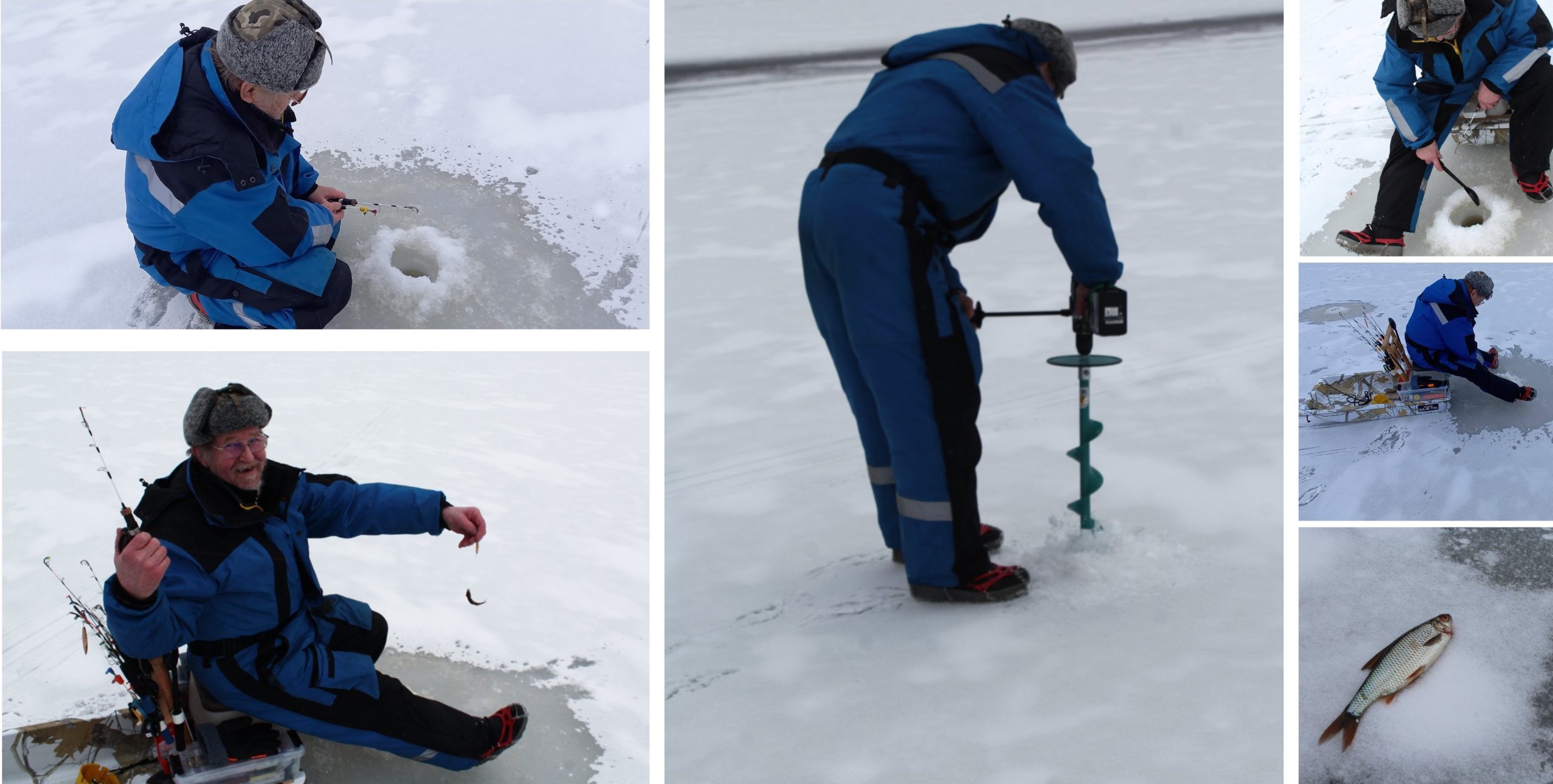
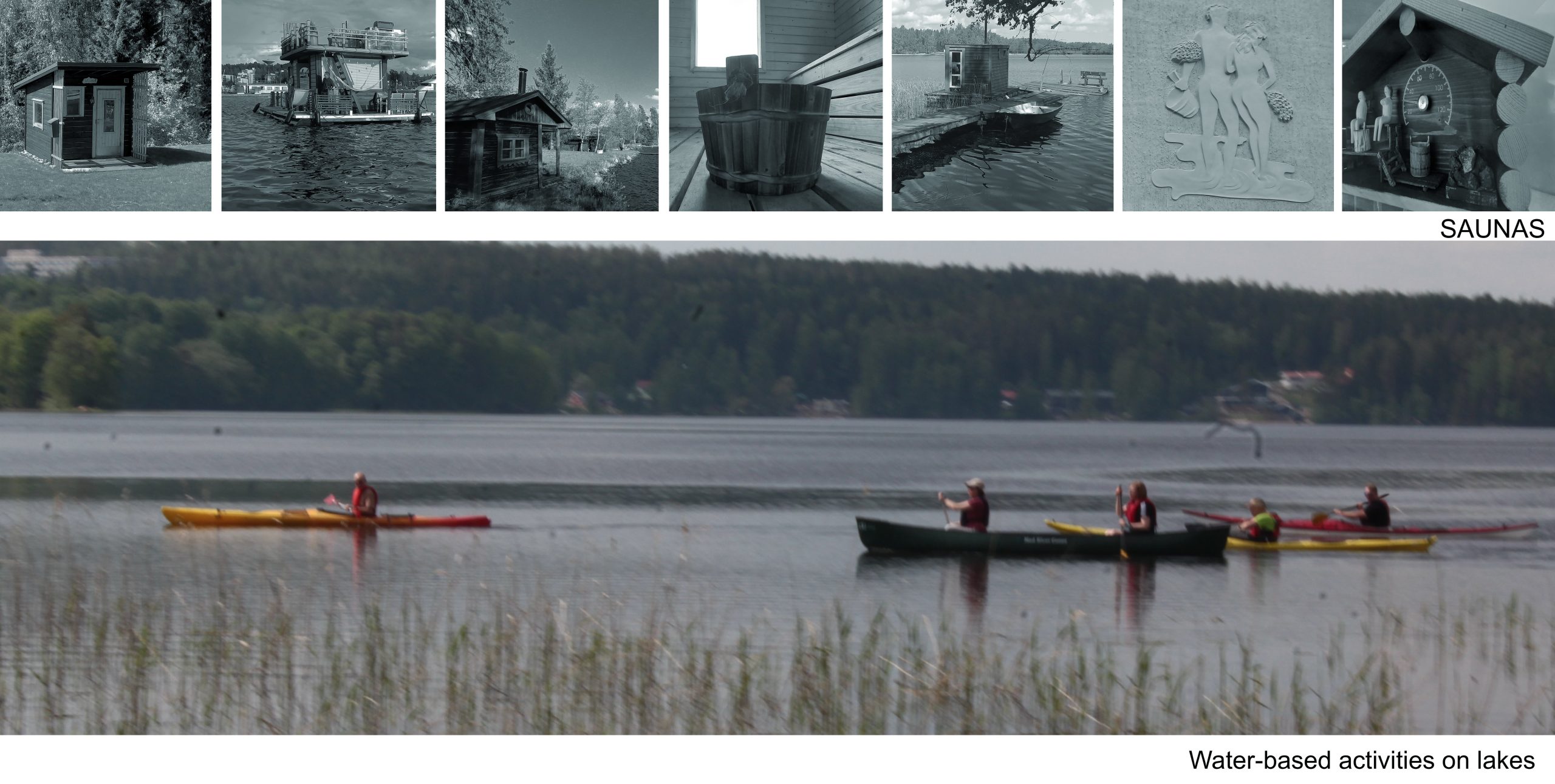
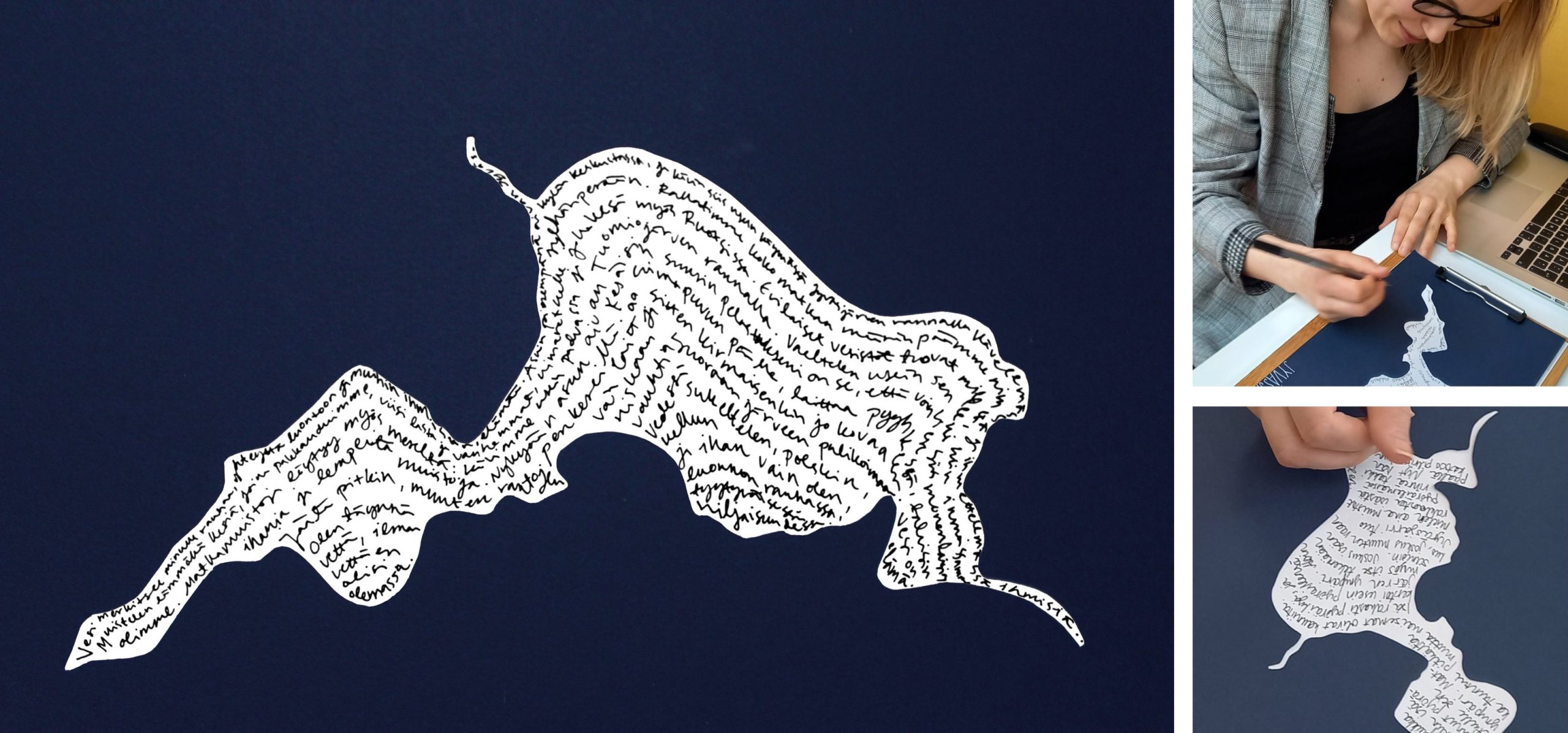
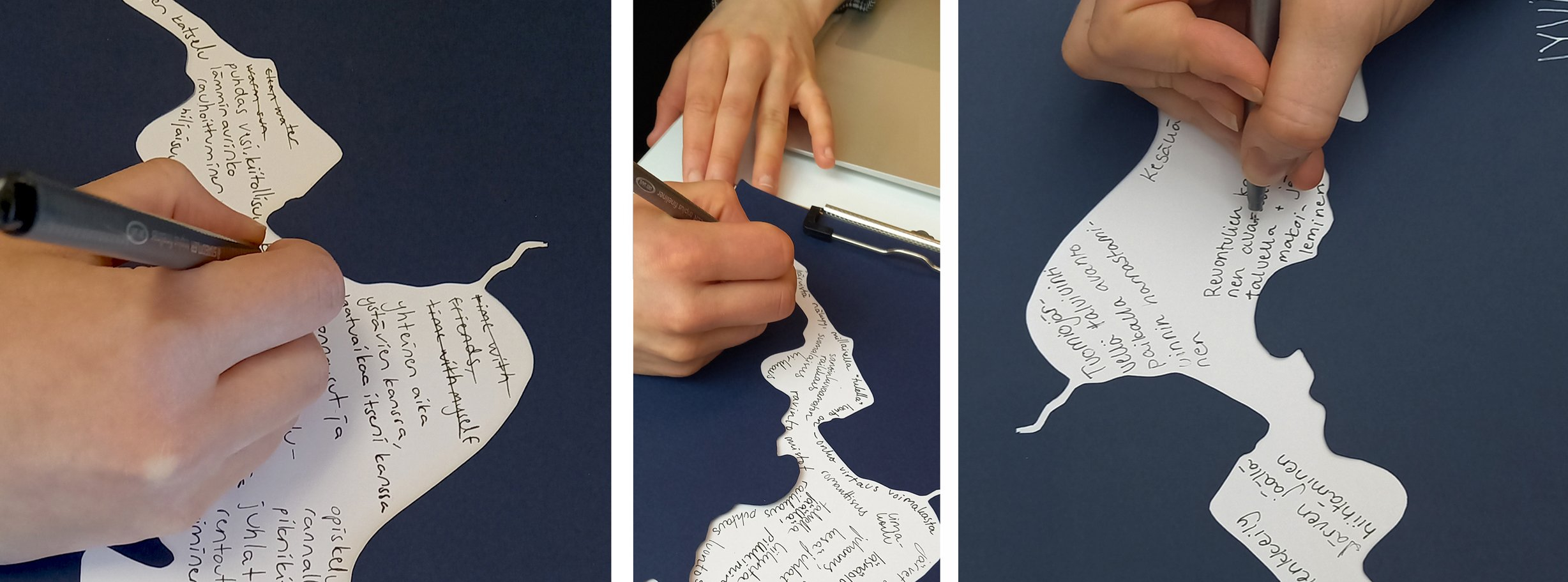
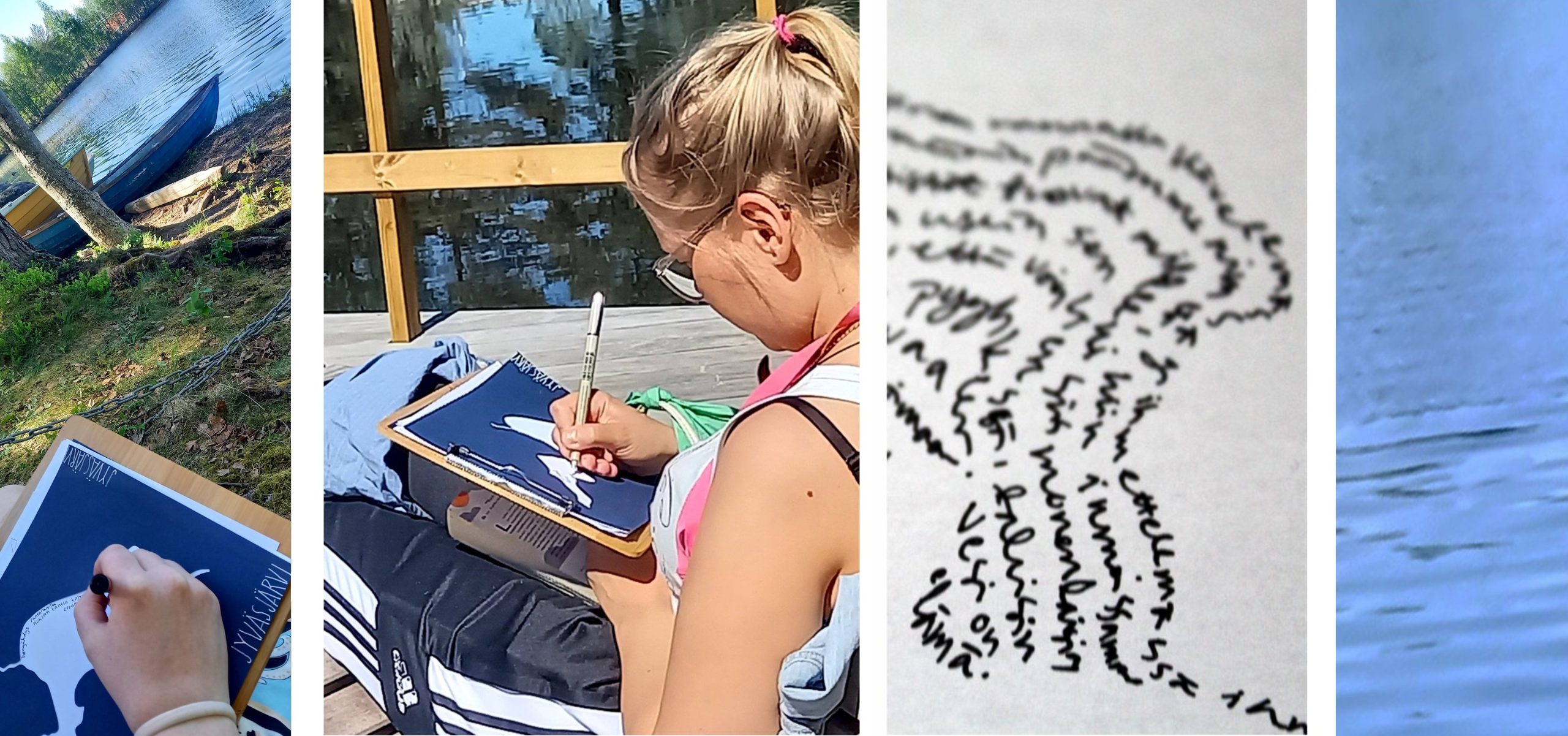
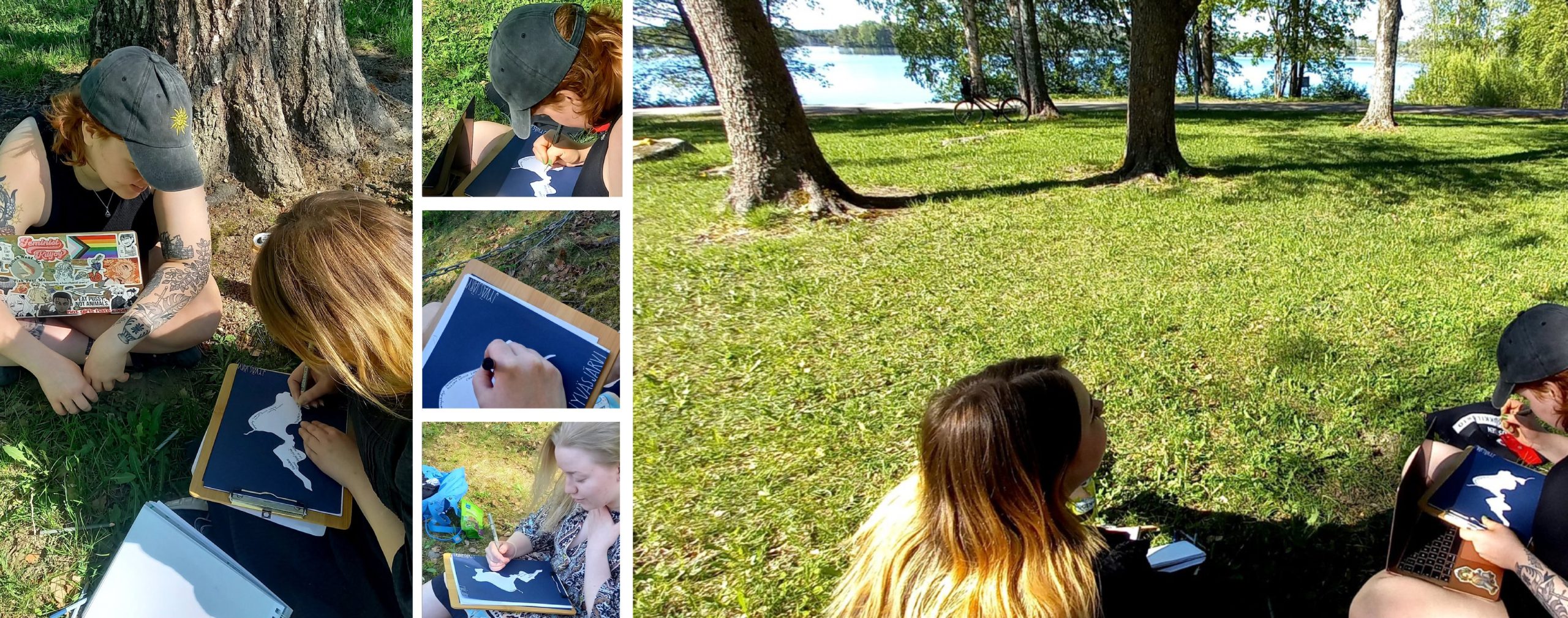
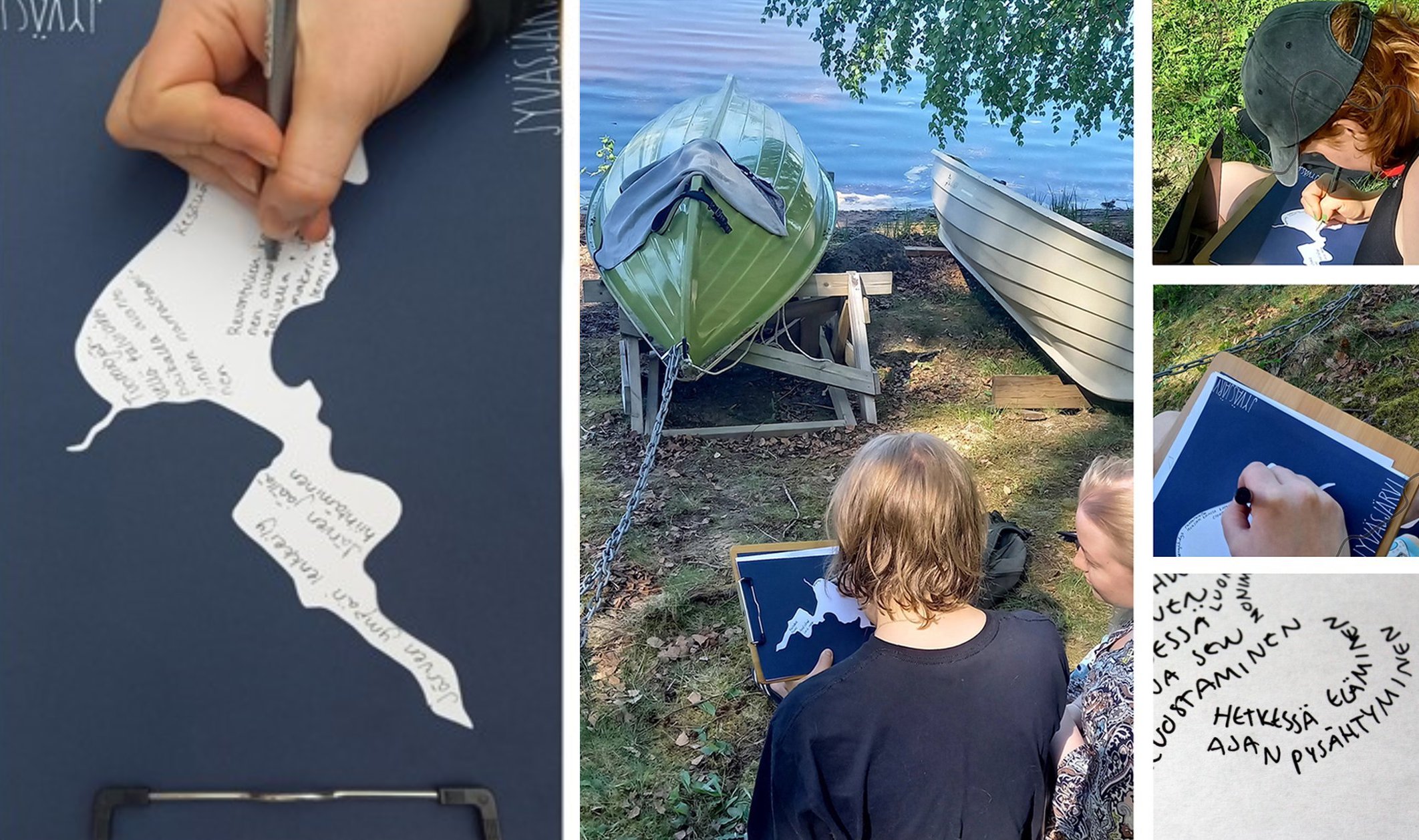
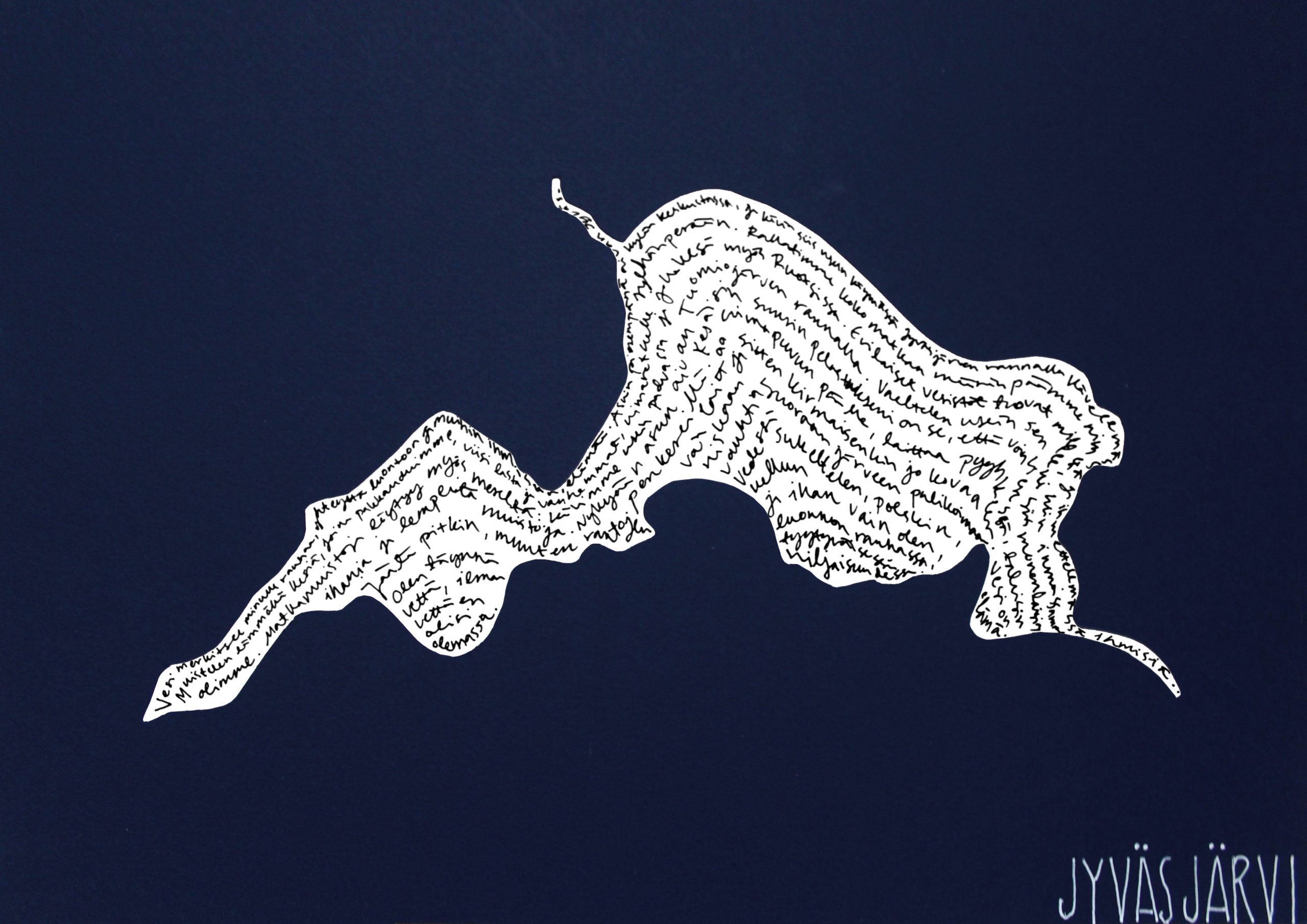
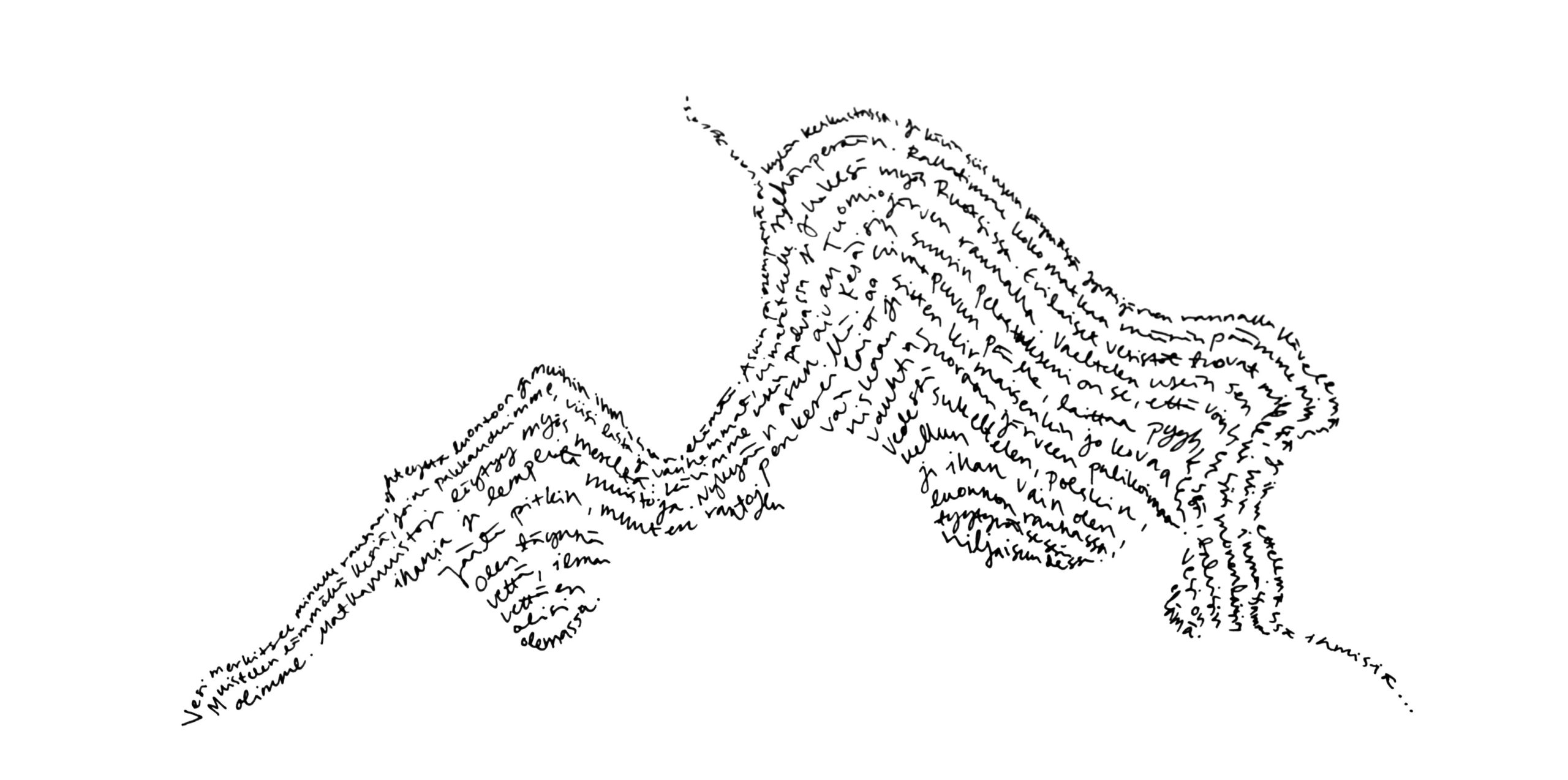

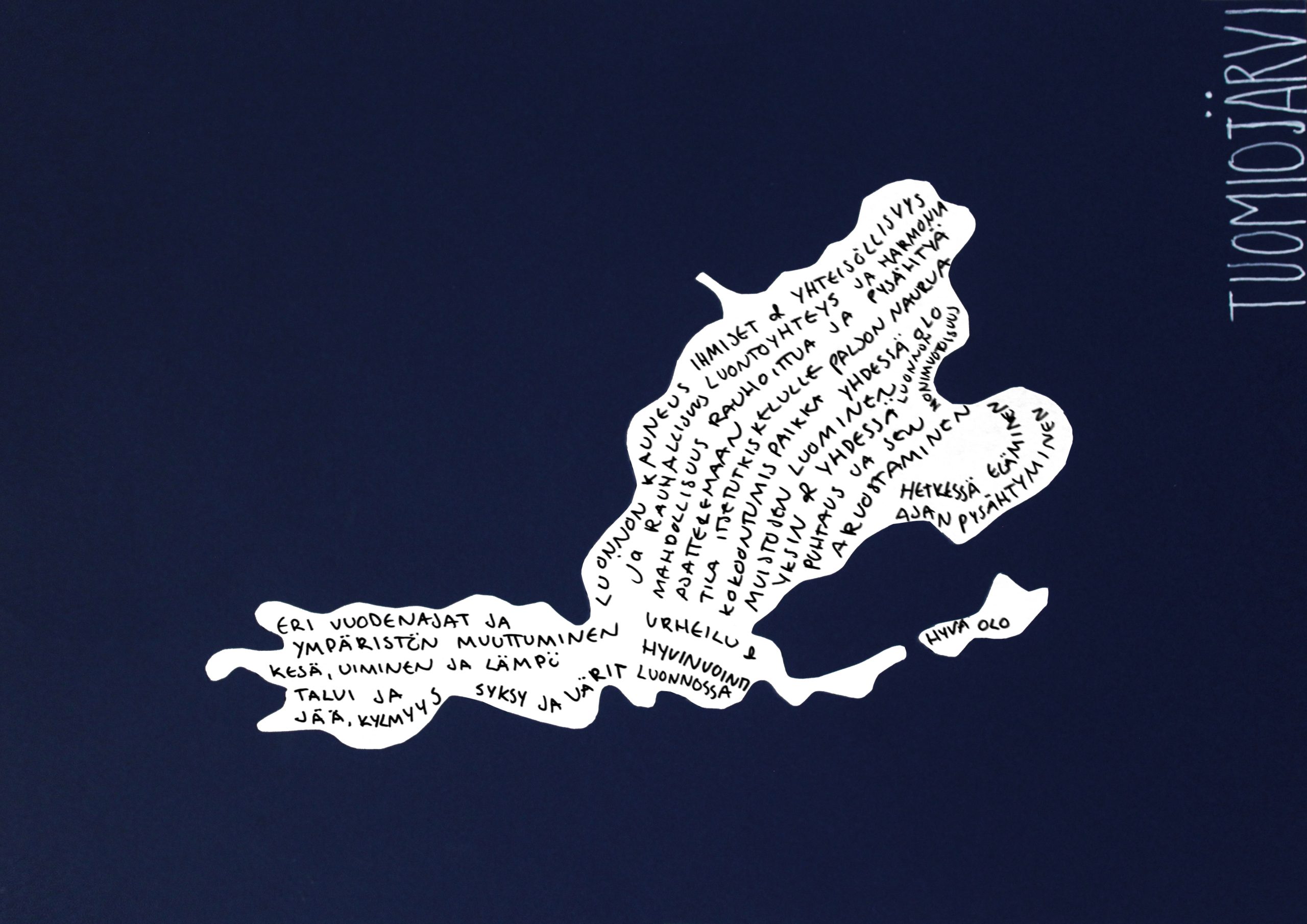
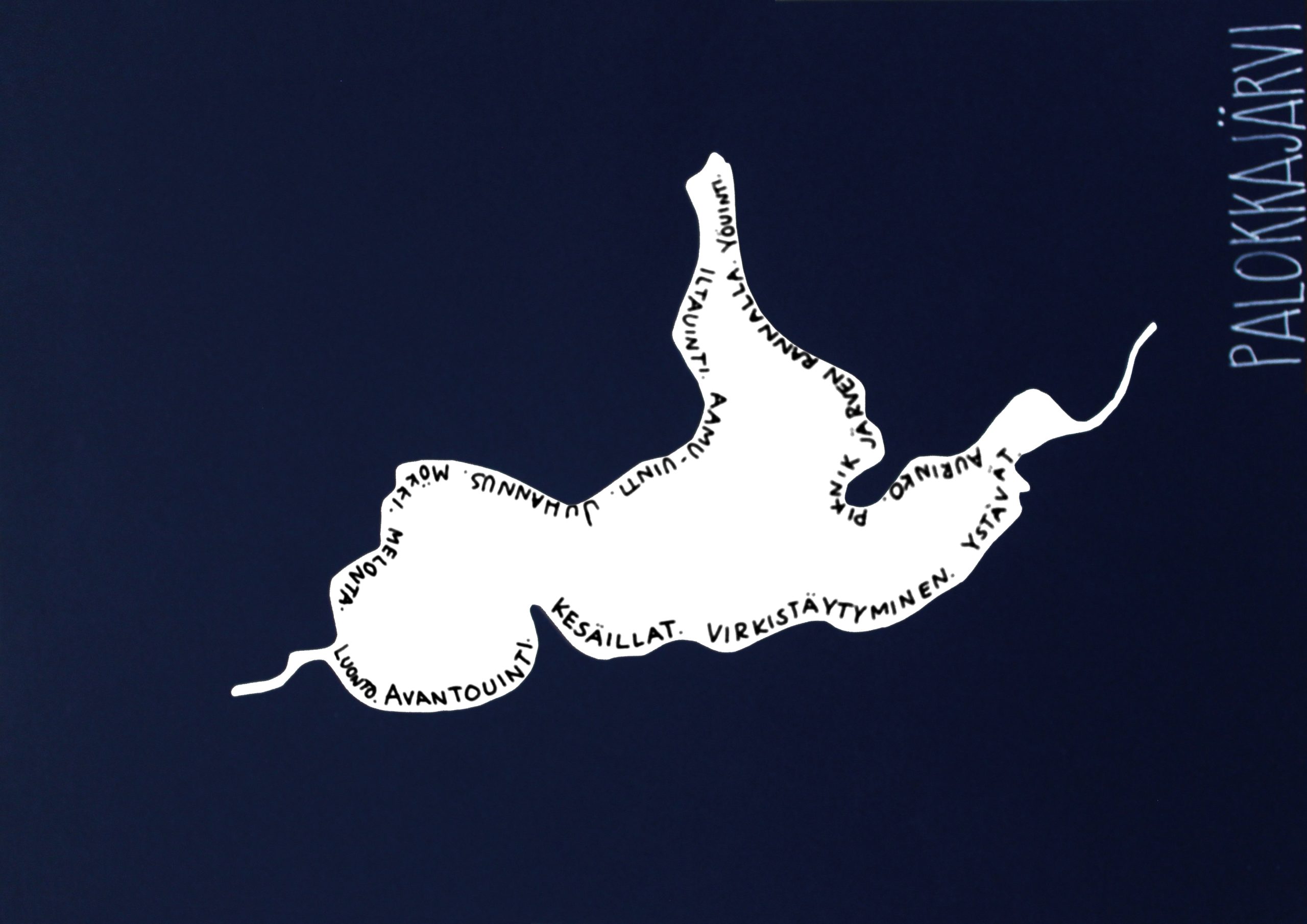
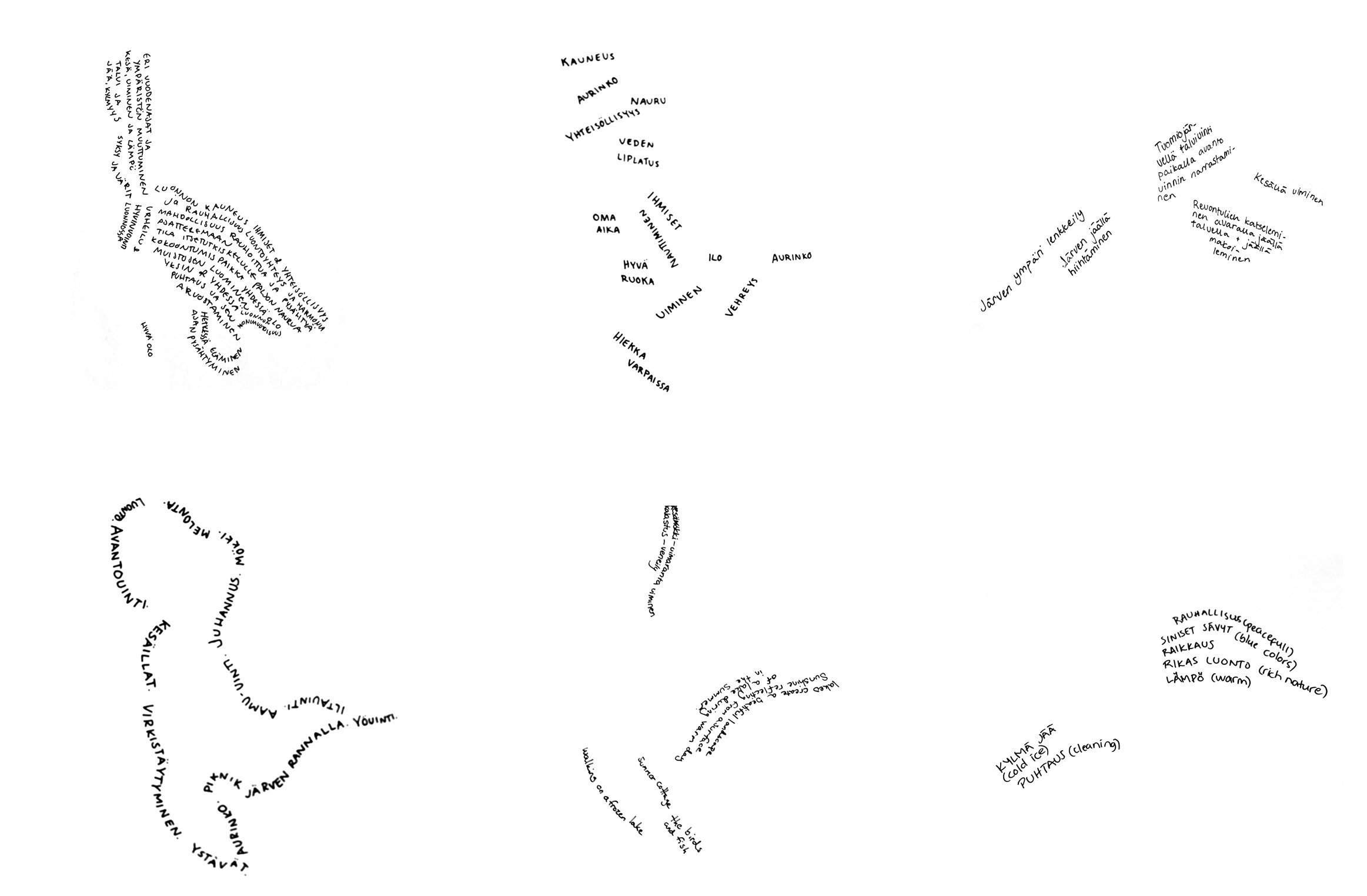

The project emphasizes reciprocity, and coexistence as guiding principles for landscape engagement. Waterscapes are approached as inclusive spaces, where human action, ecological dynamics, and social knowledge intersect. Cross-disciplinary narratives—drawing from ecological research, perceptual studies, and community input—enable collective reflection and dialogue with the landscape. Through these approaches, the research examines how human presence can harmonize with natural processes, fostering awareness of ecological rhythms, seasonal dynamics, and transitional ecosystems.
Methods and processes:
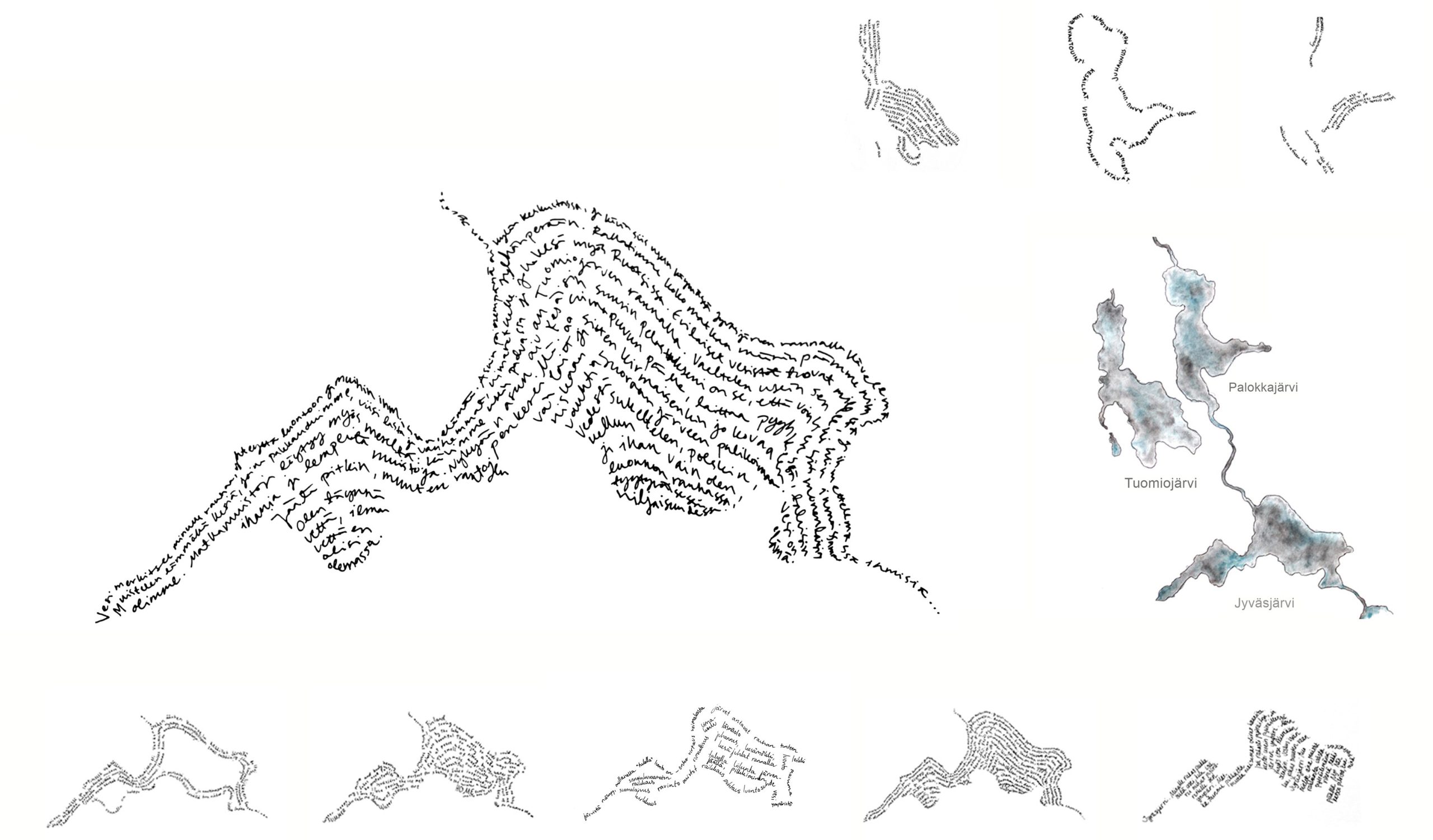
The research uses a diverse methods to examine ecological, cultural, and perceptual aspects, including mapping, sensory exploration, environmental observation, collective reflection, interviewing, and documentation of local knowledge. Community participants, especially local youth, contribute narratives and interpretations of their experiences with the lakes, revealing cultural meanings, attachment patterns, and environmental values. Collaboration with ecological experts ensures that biodiversity, seasonal changes, and hydrological dynamics are integrated into the analysis. These processes create a participatory framework for exploring landscapes, generating insights that are experiential, reflective, and grounded in both ecological and social contexts.
Community engagement and collective outcomes:
Local residents’ narratives and reflections reveal the significance of Jyväskylä’s waterscapes in shaping cultural identity and environmental perception. The project facilitates collective understanding of landscapes through workshops, discussions, and mapping exercises, allowing participants to articulate connections between human activity and natural systems.
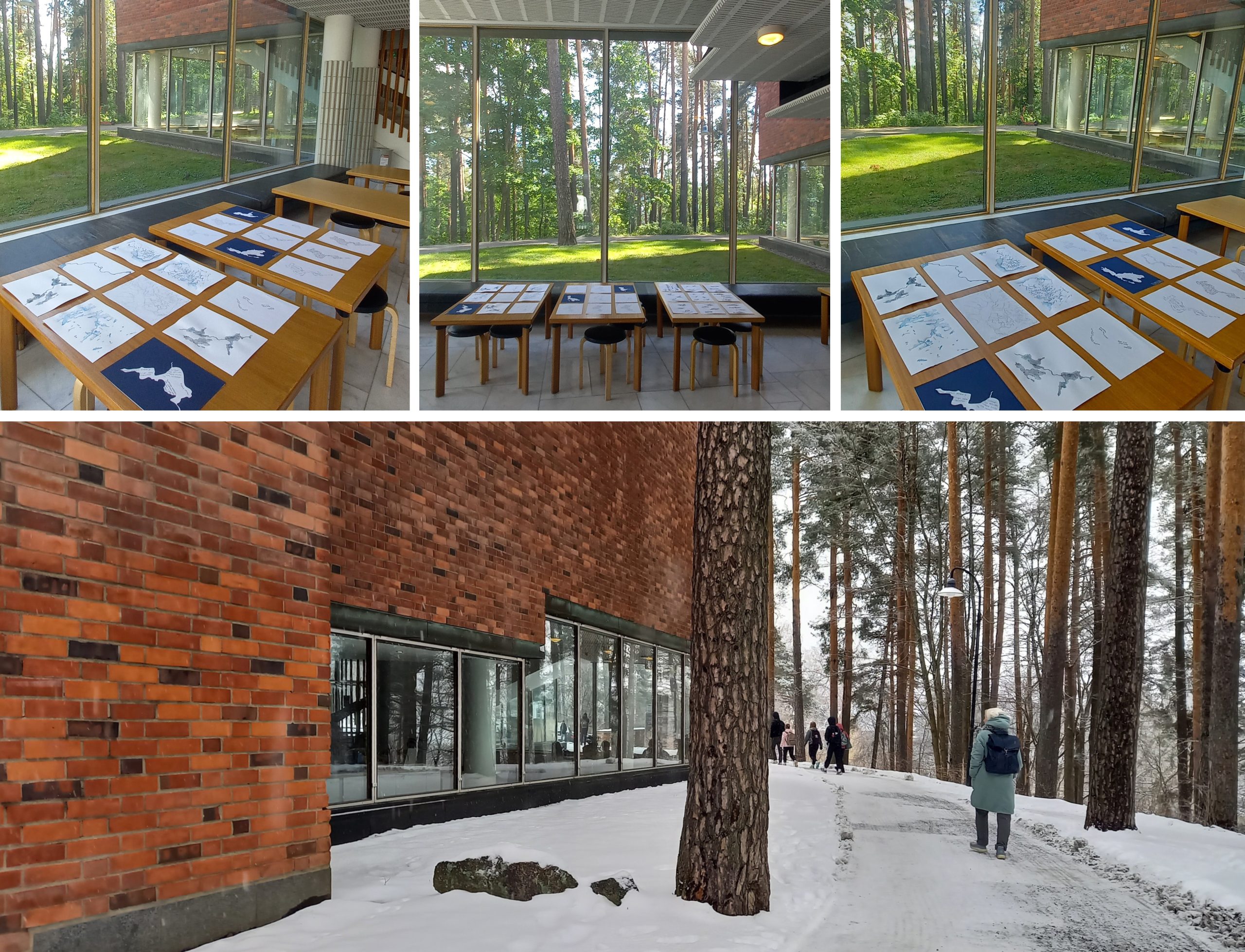
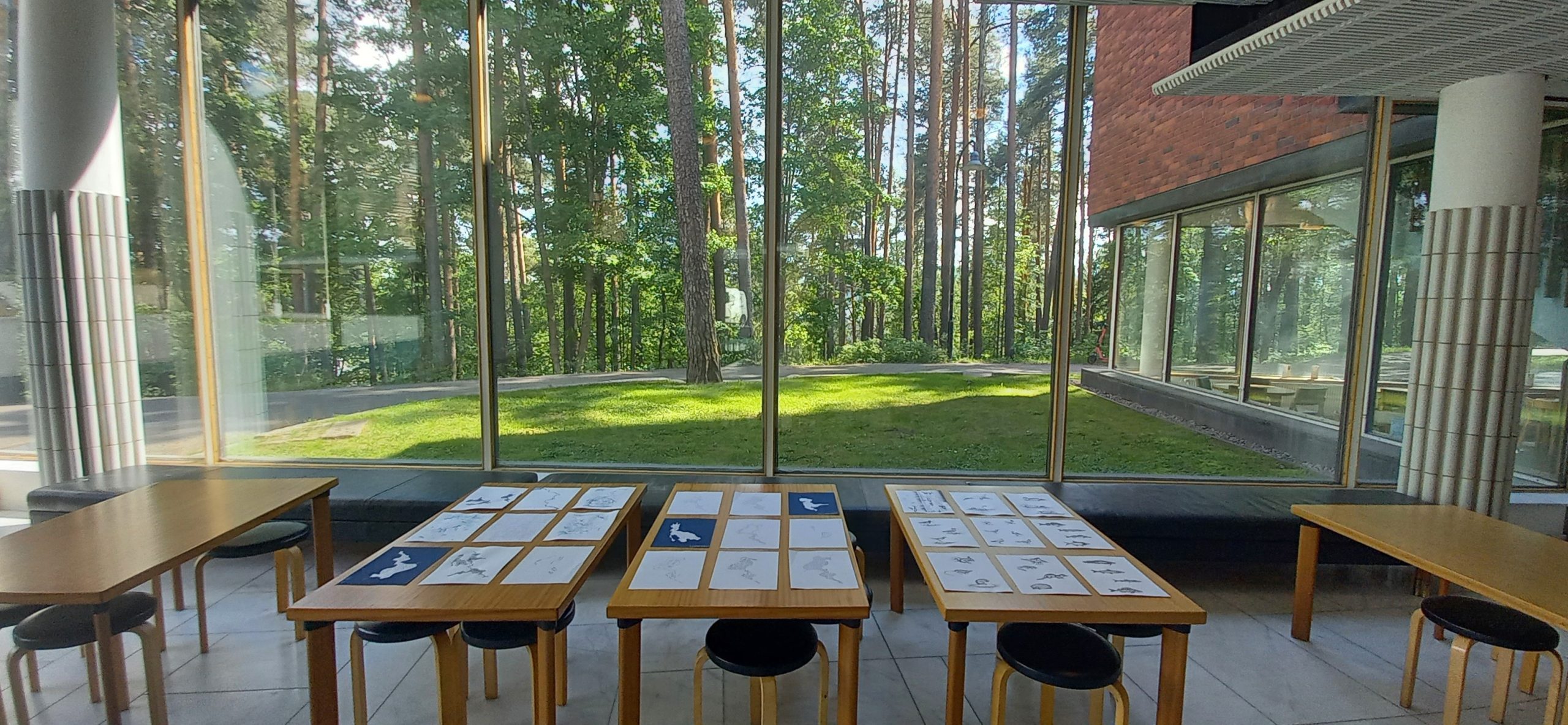
The results were presented in an exhibition at the Symbolic Hall of the University of Jyväskylä, designed by Alvar Aalto, which provided a platform for dialogue and reflection on site-based research processes.
Credits:
The Language of Water has been carried out by Ivan Juarez as a visiting research Fellow at the University of Jyväskylä Finland, Faculty of Humanities and Social Sciences, with the support and collaboration of Host JYU Researcher, Dr. Pauline von Bonsdorff, professor of Aesthetic Practices in the Transformation of Self and World at the Department of Music, Art and Culture Studies.